
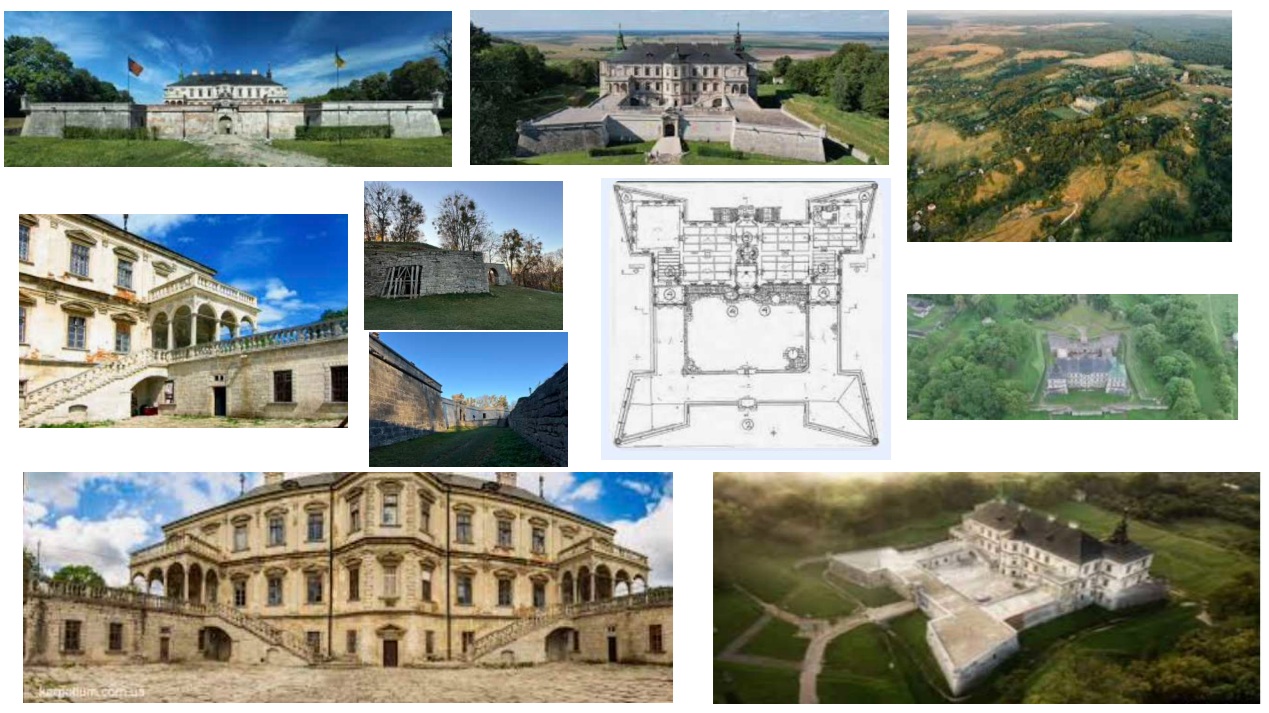
Autor: Oresta Remeshylo-Rybchynska
Mehr dazu: FORTE CULTURA Kongress 2026, La Línea de la Concepción (ES)
Dieser Artikel basiert auf einem Konferenzvortrag, den Professorin Oresta Remeshylo-Rybchynska im Jahr 2026 in La Línea gehalten hat und der sich mit dem Thema Nachhaltigkeit und dessen wachsender Bedeutung im zeitgenössischen räumlichen, kulturellen und architektonischen Diskurs befasste. Aufbauend auf den dort vorgestellten Ideen entwickelt die folgende Studie zentrale Aspekte der nachhaltigen Entwicklung in Bezug auf Kulturerbe, Landschaft und räumliche Transformation nach Konflikten weiter, wobei ein besonderer Schwerpunkt auf dem Kontext der Ukraine liegt.

Oresta REMESHYLO-RYBCHYNSKA
Dr. rer. nat., Prof. der Abteilung für Grundlagen des Designs und der Architektur, Institut für Architektur und Design, Lviv Polytechnic National University, Vorstandsmitglied von ICOMOS Ukraine
Prinzipien der nachhaltigen Entwicklung in der Ukraine und ihre Umsetzung in historischen Festungskomplexen
Vor dem Hintergrund der aktuellen globalen Herausforderungen im Zusammenhang mit dem Klimawandel, der Urbanisierung, dem demografischen Wandel und bewaffneten Konflikten hat das Konzept der nachhaltigen Entwicklung besonders an Bedeutung gewonnen.
Für die Ukraine hat dieses Thema zwei Aspekte: zum einen die Notwendigkeit des Wiederaufbaus nach dem Krieg und der räumlichen Umgestaltung, zum anderen die Erhaltung und Aufwertung des kulturellen Erbes als Träger des historischen Gedächtnisses und der Identität.
Eine besondere Rolle spielen in diesem Zusammenhang historische Festungsanlagen, die über Jahrhunderte hinweg das Verteidigungsgefüge der ukrainischen Gebiete bildeten. Burgen, Bastionsbefestigungen, Festungen und Verteidigungslinien haben heute zwar weitgehend ihre ursprüngliche Funktion verloren, sind aber nach wie vor bedeutende Elemente der Kulturlandschaft. Ihr baulicher Zustand, ihr lückenhafter Erhaltungszustand und oft das Fehlen einer klaren Nutzungskonzeption erfordern einen neuen konzeptionellen Ansatz.
Ziel dieser Studie ist es, die Grundsätze der nachhaltigen Entwicklung in der Ukraine zu analysieren und die Möglichkeiten ihrer Umsetzung in bestehenden historischen Festungsanlagen als Elemente der Kulturlandschaft und des zeitgenössischen sozialen Raums zu untermauern.
Die methodische Grundlage der Arbeit bilden interdisziplinäre Ansätze, die die Theorie der nachhaltigen Entwicklung, Grundsätze des Denkmalschutzes, Architektur- und Gestaltungsanalysen sowie Raumplanung miteinander verbinden. Die Studie stützt sich auf Methoden der historisch-typologischen Analyse, der vergleichenden Analyse internationaler Erfahrungen, der systemischen und morphologischen Analyse historischer Umgebungen sowie auf kontextbezogene und szenariobasierte Gestaltungsmethoden.
Von besonderer Bedeutung ist der in den Dokumenten der UNESCO und des ICOMOS vorgeschlagene Kulturlandschaftsansatz, der Kulturgüter nicht isoliert, sondern im Rahmen eines Systems natürlicher, sozialer und kultureller Wechselbeziehungen betrachtet. Der Begriff “nachhaltige Entwicklung” wurde erstmals im UN-Bericht „Unsere gemeinsame Zukunft“ (1987) geprägt und dort als eine Entwicklung definiert, die den Bedürfnissen der Gegenwart gerecht wird, ohne die Fähigkeit künftiger Generationen zu beeinträchtigen, ihre eigenen Bedürfnisse zu befriedigen. Das Konzept wurde im Rahmen der Agenda 21 und der Ziele der Vereinten Nationen für nachhaltige Entwicklung (2015) weiterentwickelt.
Das klassische Modell der nachhaltigen Entwicklung basiert auf drei miteinander verknüpften Komponenten: ökologischen, sozialen und wirtschaftlichen Aspekten. Im Bereich Kultur und Kulturerbe wird jedoch zunehmend eine vierte Dimension – die kulturelle – hervorgehoben (Throsby, 2010), die Fragen der Identität, des historischen Gedächtnisses, der symbolischen Bedeutung von Orten und der Kontinuität der Entwicklung umfasst. In der Architektur bedeutet nachhaltige Entwicklung eine Verlagerung vom Neubau hin zur Erhaltung, Anpassung und Wiederverwendung bestehender Bauwerke, was im Einklang mit den Prinzipien der Kreislaufwirtschaft steht und die Umweltbelastung verringert.
In der Ukraine ist das Konzept der nachhaltigen Entwicklung in strategischen und rechtlichen Dokumenten verankert, darunter im Nationalbericht “Ziele für nachhaltige Entwicklung: Ukraine”, in der staatlichen Strategie zur regionalen Entwicklung sowie in den Rechtsvorschriften zum Schutz des kulturellen Erbes. Ukrainische Wissenschaftler betonen, dass eine nachhaltige Entwicklung historischer Gebiete ohne die Integration von konservatorischen, sozialen und wirtschaftlichen Mechanismen nicht möglich ist. Das Thema Kulturerbe-Management ist nach wie vor von besonderer Bedeutung, da es oft fragmentiert ist und die langfristige Erhaltung von Kulturerbestätten nicht gewährleisten kann.
Befestigungsanlagen sind einzigartige räumliche Gebilde, die architektonische, ingenieurtechnische und landschaftliche Elemente vereinen. Sie wurden unter Berücksichtigung des natürlichen Reliefs, der Hydrographie und strategisch wichtiger Wege gestaltet und sind somit ein integraler Bestandteil der Kulturlandschaft. Nach den Konzepten der UNESCO ist eine Kulturlandschaft das Ergebnis einer langfristigen Wechselwirkung zwischen Mensch und Natur. In diesem Sinne sind Befestigungsanlagen nicht nur architektonische Objekte, sondern auch Zeugnisse historischer Prozesse, die die territoriale Entwicklung geprägt haben.
Die internationale Praxis liefert erfolgreiche Beispiele für die adaptive Umnutzung von Festungsanlagen. In europäischen Ländern werden Burgen und Festungen unter minimalem Eingriff in ihre authentische Struktur in die touristische, kulturelle und pädagogische Infrastruktur integriert. In den Dokumenten von ICOMOS wird betont, dass die Anpassung auf den Grundsätzen der Reversibilität der Eingriffe, der Erkennbarkeit neuer Elemente und der Wahrung der historischen Schichtung beruhen sollte.
Die Umsetzung der Grundsätze der nachhaltigen Entwicklung in ukrainischen Festungsanlagen kann in folgenden Bereichen erfolgen:
- Umwelt – Erhaltung der natürlichen Landschaft, Einsatz energieeffizienter Lösungen, Minimierung von Eingriffen in Boden und Relief;
- Soziales – Einbindung lokaler Gemeinschaften, Schaffung öffentlicher Räume, Inklusion und Barrierefreiheit;
- Wirtschaft – Förderung des Kulturtourismus, der Kreativwirtschaft sowie von Bildungs- und Forschungsprogrammen;
- Kultureller Bereich – Erhaltung der Authentizität, des immateriellen Kulturerbes und des vielschichtigen historischen Charakters des Raums.
Zeitgenössisches Design innerhalb historischer Festungsanlagen dient als Kommunikationsmittel zwischen Vergangenheit und Gegenwart. Temporäre Pavillons, Ausstellungsbauten und Leitsysteme können als “sanfte” Eingriffe fungieren, ohne die Integrität des Denkmals zu beeinträchtigen. Ein solcher Ansatz steht im Einklang mit den Prinzipien der nachhaltigen Entwicklung, da er Anpassungsfähigkeit, Reversibilität und minimale Auswirkungen auf das historische Gefüge in den Vordergrund stellt.
Somit bieten die Grundsätze der nachhaltigen Entwicklung ein wirksamer konzeptioneller Rahmen für die Erhaltung und Wiederbelebung der historischen Festungsanlagen der Ukraine. Durch dessen Umsetzung lassen sich diese Stätten von passiven Trägern der Erinnerung in aktive Elemente der kulturellen, sozialen und wirtschaftlichen Entwicklung verwandeln. Unter den gegenwärtigen Bedingungen ist dies eine der wichtigsten Richtungen für die Gestaltung eines widerstandsfähigen Modells der Raumentwicklung in der Ukraine.
 English (UK)
  Deutsch
  Français
  Italiano
  Polski
  Español
Schreibe einen Kommentar