Image: ©Nederlands Vestingmuseum
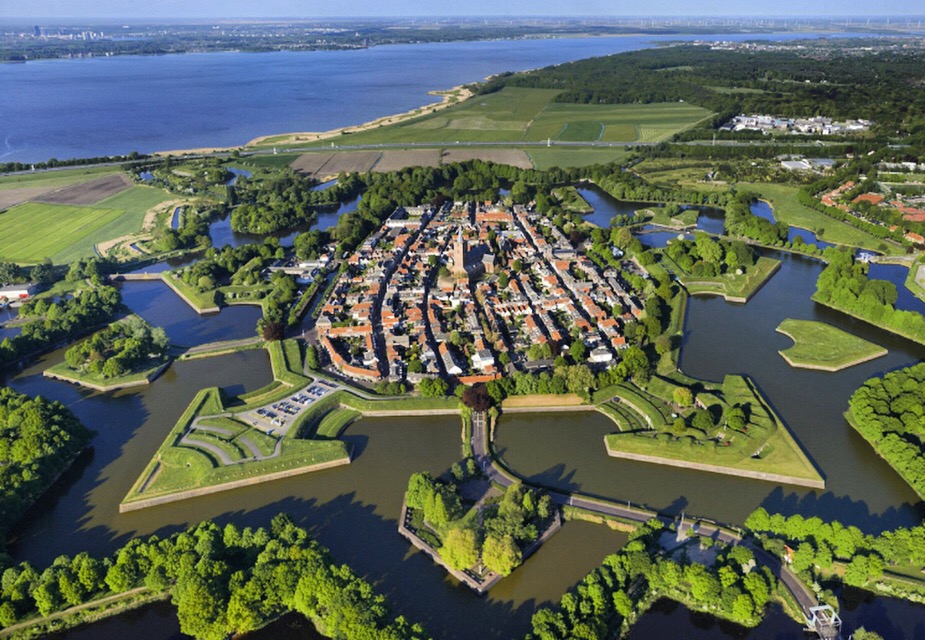
FORTE CULTURA warmly welcomes Fundación Monumentenbezit as a new member of the European fortress heritage network. The Dutch heritage organisation will represent the fortified ideal city of Naarden, one of Europe’s best-preserved star-shaped fortified towns and an outstanding example of the close relationship between military architecture, urban planning and hydraulic engineering.
Stichting Monumentenbezit is dedicated to preserving historic monuments for future generations through professional maintenance, research, restoration and sustainable reuse. Public access and the communication of heritage values are central to its work. Since 2016, the foundation has owned and managed the fortifications of Naarden, combining long-term conservation with specialist research and international knowledge exchange.
Membership in FORTE CULTURA creates a new platform for sharing this expertise across borders. At the same time, it gives Naarden a visible place within a European network that connects fortress monuments, heritage professionals, destinations and communities around their common fortified heritage.
The Cluster of Fortified Ideal Cities grows to eight sites
With Naarden, the FORTE CULTURA Cluster of Fortified Ideal Cities now comprises eight sites. Together, they represent an outstanding form of fortress architecture in which defensive requirements, geometric planning and the organisation of urban life were combined in a coherent design.
The cluster enables its members to compare conservation approaches, develop shared narratives and strengthen the visibility of fortified ideal cities as a distinctive European heritage phenomenon. Naarden enriches this cooperation with its remarkably complete star-shaped ground plan and its special connection between fortification design and water management.
The fortified ideal city Naarden, set in the landscape of North Holland, is enclosed by green ramparts, moats, six bastions and six ravelins. Its exceptional geometric form makes the fortified town immediately recognisable, while the almost completely preserved ensemble allows visitors to understand the strategic thinking and engineering skill that shaped European fortifications from the age of gunpowder onwards.
Naarden’s present appearance was largely created between 1675 and 1685, when the town received its distinctive ring of six bastions and six ravelins. Later adaptations responded to new artillery technologies and integrated the fortress into the wider Dutch system of dykes, sluices and deliberately inundated areas. As part of the Dutch Water Defence Lines, Naarden has been included on the UNESCO World Heritage List since 2021.
Working together for resilient fortress heritage
The new partnership will support professional exchange on conservation, restoration, climate-related challenges, visitor management and the sustainable use of historic fortifications. It will also open opportunities for joint communication, cultural tourism initiatives and European cooperation projects that make fortress heritage accessible to wider audiences.
Stichting Monumentenbezit and in particular Jeroen van der Werf, already collaborated on different fields, as you can see in our blog posts about common activities:
- Portsmouth (Reino Unido): Conferencia „Fortificaciones en peligro”, Grupo de Estudio de Fortalezas.
- FORTE CULTURA Congreso 2026, La Línea de la Concepción (ES)
- Simposio internacional Historia y tipología de las fortificaciones, Naarden (NL)
FORTE CULTURA looks forward to working further closely with Stichting Monumentenbezit and to presenting Naarden as a new network destination. Its accession strengthens both the Dutch presence within the cultural route and the shared European commitment to safeguarding fortified heritage as places of knowledge, encounter and peace.

 English (UK)
  Deutsch
  Français
  Italiano
  Polski
  Español
Deja una respuesta