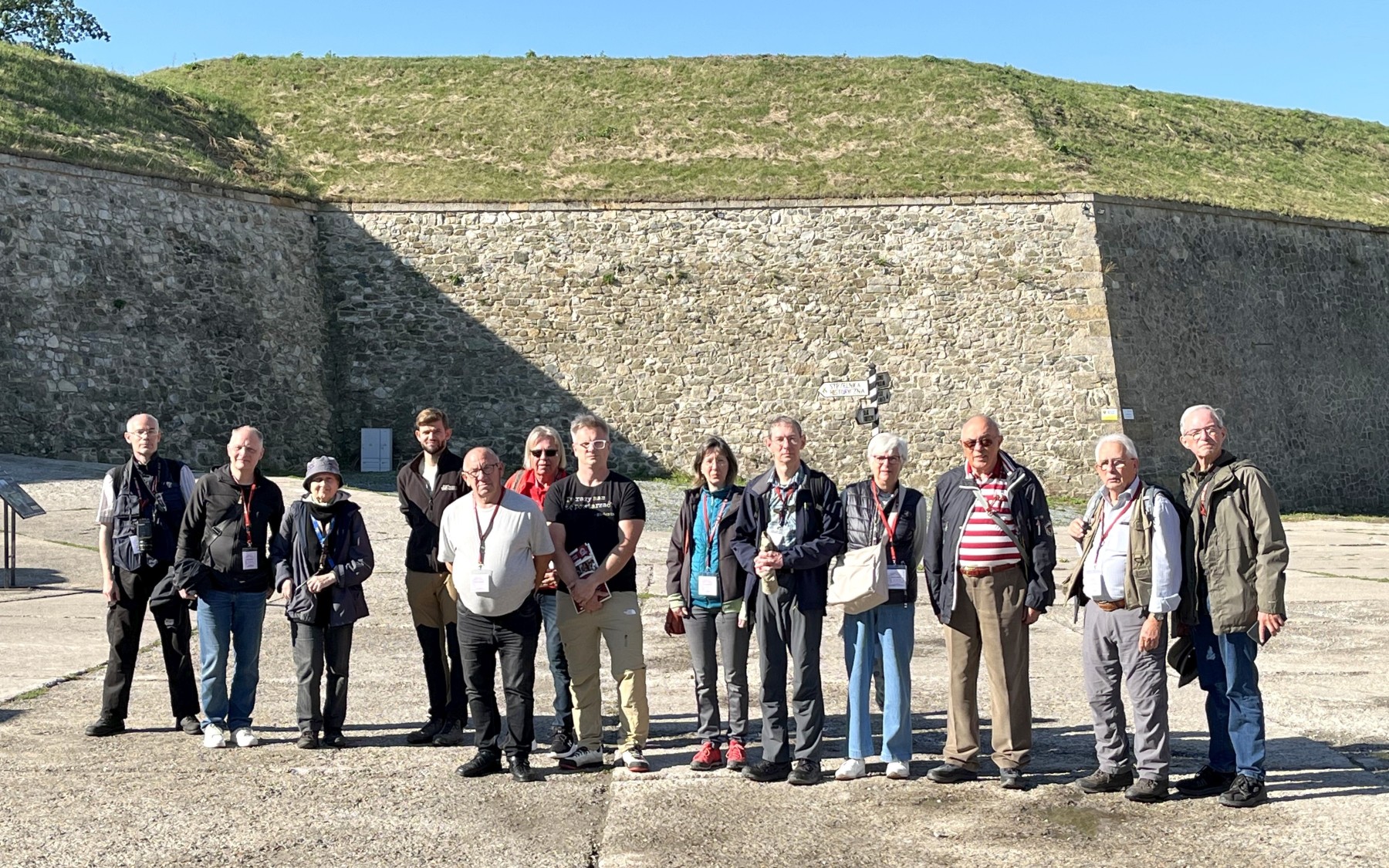
Group photo of the travelling group from Europe with Daniel Jakubowski, the manager of Kłodzko Fortress, and his team in front of the Ludmila Bastion
An extraordinary journey through Silesia (PL) took place from 22 to 31 September 2026. A group of ten German-speaking participants, led by Dr.-Ing. Hans-Rudolf Neumann, explored fortifications along the River Oder under the slogan ‘Frederick the Great and (not only) his fortresses’. The tour included numerous site visits, guided tours and meetings with local experts.The objective was to study former Prussian and other fortifications in Silesia and to assess their tourism potential with a view to establishing a regional fortress tourism cluster as a future member of the European Cultural Route FORTE CULTURA.
Starting from Cottbus (Germany), the route led from Głogów via Sulików, Legnica, Wrocław, Brzeg, Świdnica, Wałbrzych, Srebrna Góra, Kłodzko, Paczków, Nysa, Łambinowice, Góry Świętej Anny, Koźle, and Gliwice to Kraków. Particular attention was paid to the bunkered tunnel complexes at Książ Castle and Osówka near Wałbrzych, as well as those within the castle hill at Oświęcim. The tour concluded with a two-day stay in Kraków, including visits to Wawel Castle, the barbican with part of the medieval city fortifications, several Austrian forts and Kościuszko Hill.
The tour demonstrated that many fortifications in Silesia have been excellently restored and integrated into the townscape. They are important testimonies to European military and architectural history. Despite its turbulent history, Poland is now strongly committed to the preservation and development of these monuments for tourism. This is aided by the great dedication of local authorities, associations and experts in heritage conservation and tourism.
However, the two unique Montalembert towers in Głogów and Koźle – examples of epoch-defining French fortification architecture on Polish soil – are still awaiting renovation and revitalisation. Here, circumstances and obstacles must be taken into account, and overcoming them will require patience and perseverance.
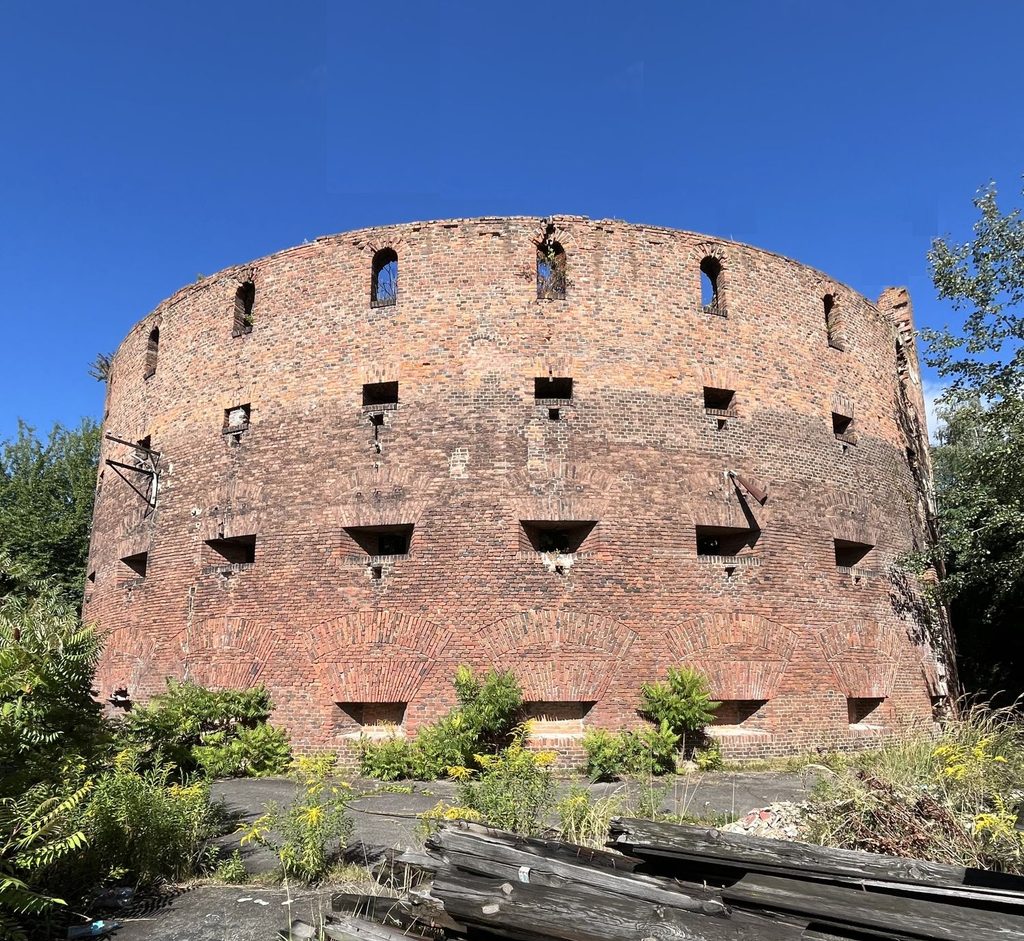
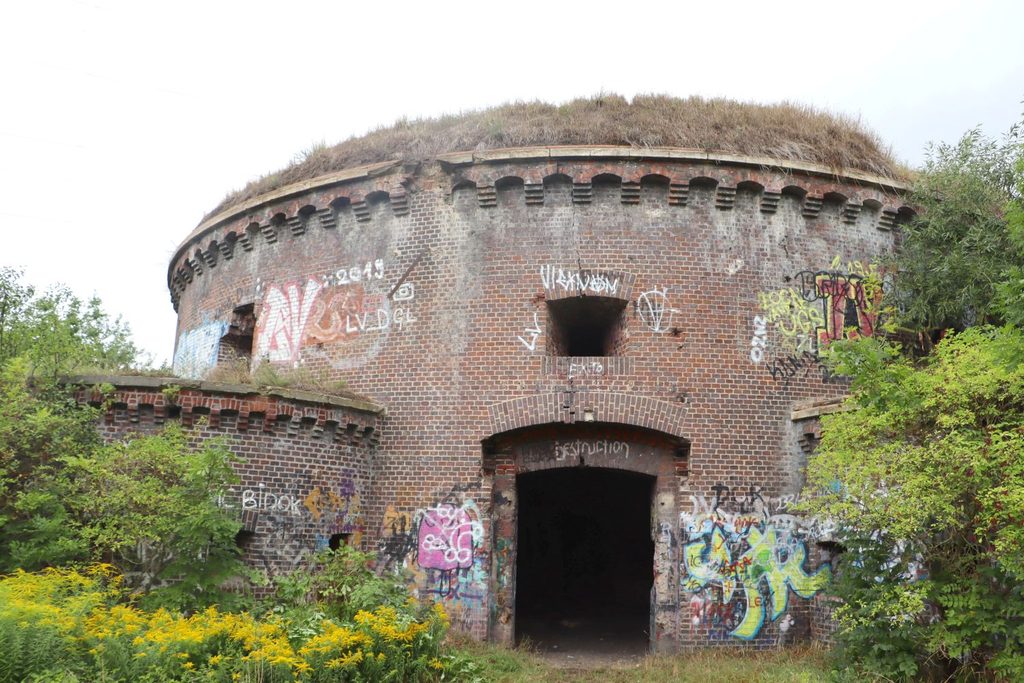
Overall, based on the international exchange of experiences with their Polish colleagues, the participants concluded that the Silesian fortresses represent significant regional potential for international cultural tourism. The inclusion of the fortresses in the European cultural route FORTE CULTURA is regarded as a realistic objective. This could lead to broader marketing opportunities. The region’s infrastructure (roads, hotels, restaurants) is very well developed, making it an attractive destination for fortress tourism.
Although there is still much to be done, the study tour marked a further step towards achieving the goal of more intensive cultural tourism and, consequently, more sustainable marketing. The hospitality we experienced left no doubt, however, that we are on the right path.
 English (UK)
  Deutsch
  Français
  Italiano
  Polski
  Español
Leave a Reply