
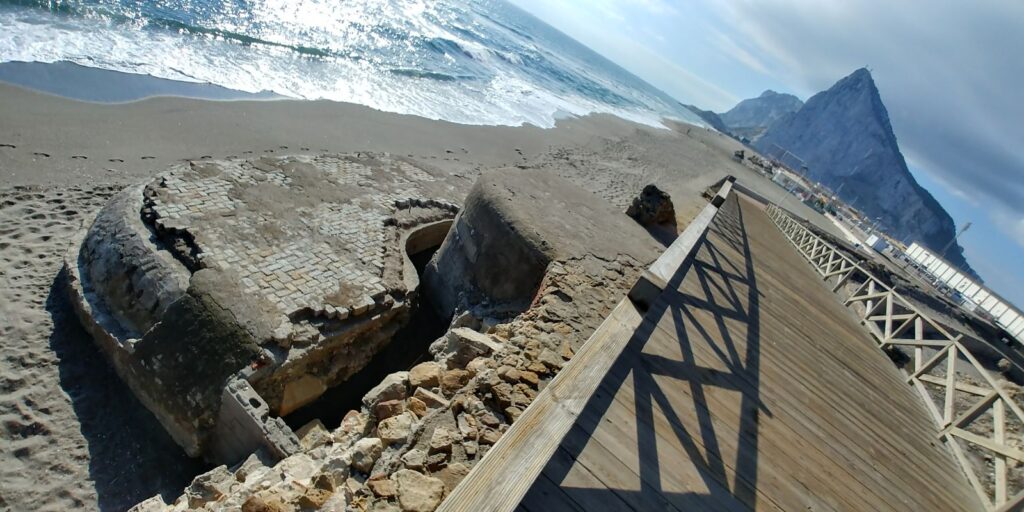
Diese Woche fand die FORTE CULTURA Konferenz in La Línea de la Concepción, ein Ort, der eng mit der befestigten Landschaft der Umgebung verbunden ist Gibraltar. Bevor wir uns den wichtigsten Ergebnissen der Konferenz zuwenden, wollen wir noch einmal auf die lokale Geschichte mit ihren Festungsanlagen zurückkommen - Stätten, die einen direkten Einblick in die vielschichtige Geschichte dieses bemerkenswerten Grenzgebiets bieten.
Die Geschichte von La Línea de la Concepción ist untrennbar mit den strategischen und militärischen Entwicklungen um Gibraltar verbunden. Diese Grenzlandschaft ist eines der eindrucksvollsten Beispiele in Europa, bei dem die Geopolitik den Bau von Festungsanlagen und sogar die Entstehung einer völlig neuen Stadt direkt beeinflusst hat.
Die Einnahme von Gibraltar
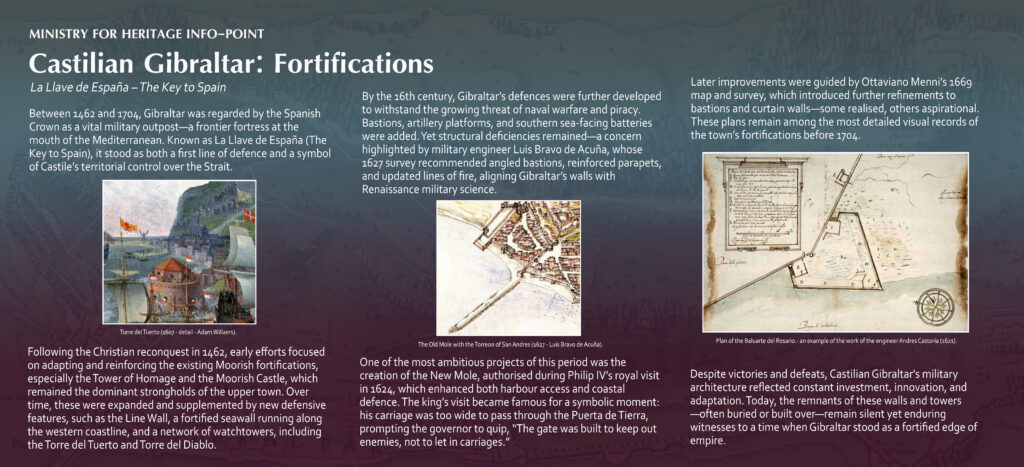
Der Wendepunkt kam mit 1704, im Spanischen Erbfolgekrieg, als eine anglo-holländische Flotte unter dem Kommando von George Rooke Gibraltar eroberte. Obwohl das Gebiet zunächst zur Unterstützung des habsburgischen Anspruchs beschlagnahmt wurde, wurde es bald zu einem dauerhaften britischen Besitz, der 1713 durch den Vertrag von Utrecht formalisiert wurde.
Von diesem Zeitpunkt an entwickelte sich Gibraltar zu einer wichtigen britischen Marinefestung, die den Zugang zum Mittelmeer kontrollierte - eine der strategisch wichtigsten Seepforten Europas.
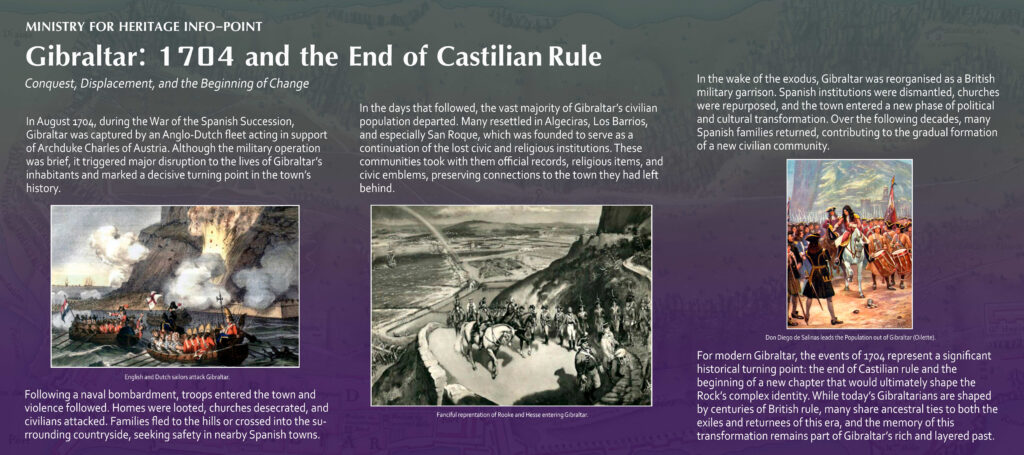
Die Antwort Spaniens: Der Bau der Línea
Spanien akzeptierte den Verlust von Gibraltar nie als endgültig. Stattdessen reagierte es mit der Verstärkung des umliegenden Festlands. Ab dem 18. Jahrhundert wurde ein System von Verteidigungsanlagen errichtet, das als “Línea de Contravalación” wurde über die Landenge nördlich von Gibraltar gebaut.
Diese befestigte Linie umfasste:
- Bastionen und Artilleriebatterien
- Verteidigungsmauern und Erdarbeiten
- kontrollierte Zugangspunkte zum Gebiet

Das Ziel war klar:
- die britische Expansion einzudämmen
- Überwachung des Verkehrs zwischen Gibraltar und dem spanischen Festland
- Vorbereitung auf eine mögliche militärische Rückeroberung
Diese Befestigungen schufen eine effektive militarisierte Grenze, Dadurch wurde das Gebiet zu einem ständigen Spannungsfeld zwischen zwei Mächten. Rund um die Befestigungsanlagen entwickelte sich allmählich ein ziviles Leben. Arbeiter, Soldaten und Händler siedelten sich in der Nähe der Verteidigungslinie an und bildeten den Kern dessen, was später La Línea de la Concepción wurde. Die offizielle Gründung der Stadt erfolgte im Jahr 19. Jahrhundert, Sein Name bezieht sich direkt auf die Befestigungslinie (“La Línea”). La Línea stellt somit einen seltenen Fall dar, in dem:
- eine Stadt wurde direkt aus einer militärischen Grenze geboren
- die städtische Identität wurde durch die geopolitische Aufteilung geprägt
- das tägliche Leben entwickelte sich im Schatten der Festungsanlagen
Das 20. Jahrhundert

Das 20. Jahrhundert brachte der Grenze von Gibraltar eine neue strategische Dimension. Während des Zweiter Weltkrieg, Die Bedeutung Gibraltars als Marine- und Luftstützpunkt nahm erheblich zu. Dies führte zu dem deutschen Plan, der als Operation Felix, die die Einnahme von Gibraltar in Zusammenarbeit mit Spanien unter Francisco Franco. Die Operation basierte auf einem groß angelegten Landangriff über die Landenge, die einst von spanischen Festungsanlagen begrenzt war. Aufgrund der mangelnden Bereitschaft Spaniens, in den Krieg einzutreten, und aufgrund veränderter strategischer Prioritäten wurde der Plan jedoch nie ausgeführt.
Später im Jahrhundert nahmen die geopolitischen Spannungen eine andere Form an. Unter 1969, schloss Spanien die Landgrenze zu Gibraltar, wodurch das Gebiet isoliert wurde und La Línea de la Concepción stark beeinträchtigt wurde. Die Schließung dauerte bis 1985, als die Grenze im Vorfeld des Beitritts Spaniens zu den Europäischen Gemeinschaften wieder geöffnet wurde. Die historischen Befestigungsanlagen hatten zwar ihre militärische Funktion verloren, aber die Grenze selbst fungierte weiterhin als mächtige politische Barriere).
Eine Festungslandschaft im europäischen Kontext
Mit der Zeit verwandelte sich die stark befestigte Grenze in eine kontrollierte, aber aktive Schnittstelle zwischen zwei unterschiedlichen politischen und wirtschaftlichen Systemen - dem britischen Gibraltar und dem spanischen Andalusien. Selbst als die militärischen Spannungen abnahmen, blieb das Erbe der Festungsanlagen in der grenzüberschreitenden Dynamik, den Landschaftsstrukturen und der Stadtgestaltung sichtbar. Auch heute noch bietet dieser einzigartige Ort wertvolle Einblicke in die Beziehung zwischen Festungen, Territorium und Gesellschaft und zeigt einmal mehr, dass befestigte Stätten nicht nur Überbleibsel der Vergangenheit sind, sondern aktive Zeugen der sich entwickelnden geopolitischen Landschaft Europas.


 English (UK)
  Deutsch
  Français
  Italiano
  Polski
  Español
Schreibe einen Kommentar