Categoría: De las estaciones miembros
-
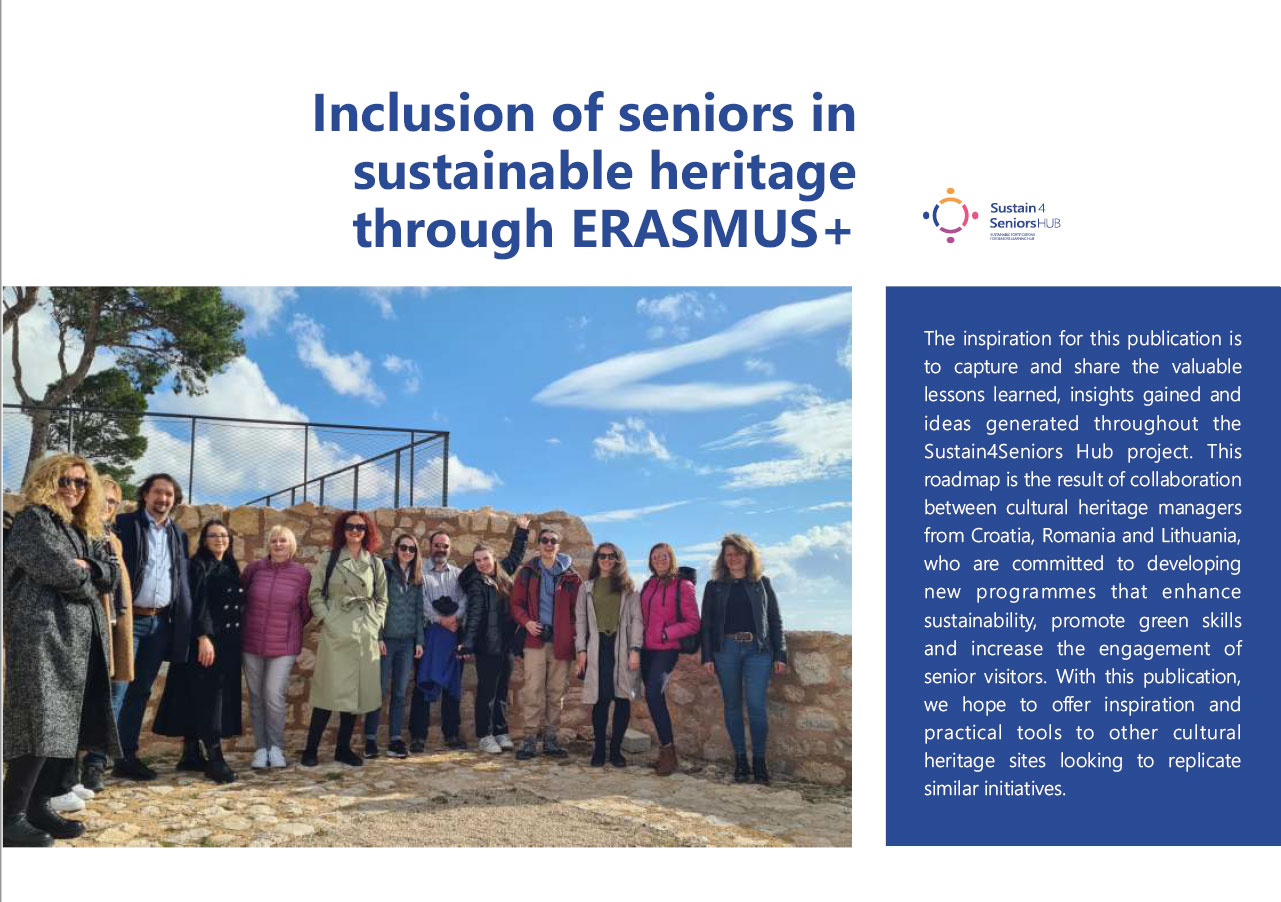
Sostener 4 Mayores en sitios del patrimonio cultural
Proyecto ERASMUS+ „Fortificaciones sostenibles como centro de aprendizaje para personas mayores“ de la Fortaleza Cultural de Šibenik (Croacia/Šibenik), en colaboración con la Asociación Mioritics (Rumanía/Constanța) y la institución pública Kauno tvirtovės parkas (Lituania/Kaunas). El proyecto Sustain4Seniors Hub está financiado en el marco del programa Erasmus+, una iniciativa de la Unión Europea para promover la cooperación en los ámbitos de la educación, la formación y la cultura en toda Europa...
-

Fortezza (Franzensfeste, IT) se convierte en la estación FORTE CULTURA
La fortaleza de Franzensfeste ha custodiado el paso del Brennero desde el lado italiano desde 1838. Con sus 65 000 metros cuadrados de superficie construida, es el complejo histórico más grande del Tirol del Sur. Esta obra maestra de la arquitectura fortificada austriaca se extiende a lo largo de varias plantas con un laberinto de salas, pasillos, patios y escaleras. Diseñada originalmente como una fortaleza impenetrable…
-

Ingolstadt (DE): Nuevo folleto sobre el Fuerte Prinz Karl
Foto de portada: La junta directiva y el consejo asesor de la Asociación de Amigos presentan el nuevo folleto. La asociación ’Förderverein Bayerische Landesfestung Ingolstadt e.V.» ha publicado un extenso folleto sobre el fuerte Prinz Karl. En él se muestra una elaborada reconstrucción tridimensional del fuerte tal y como era en 1895, tras las obras de refuerzo del edificio. Además, toda su agitada historia…
-

Kiev (UA): El Museo Histórico-Arquitectónico Nacional “Fortaleza de Kiev” se convierte en Estación FORTE CULTURA
La Fortaleza de Kiev es un complejo monumental formado por antiguas fortalezas rusas de los siglos XVII al XIX. El complejo es una de las fortalezas mejor conservadas de Europa. Los visitantes pueden contemplar una exposición permanente única sobre la historia de la artillería, titulada “Del núcleo al proyectil”, así como la única colección de armas automáticas de Europa. El Museo Nacional Histórico-Arquitectónico se encuentra en…
-
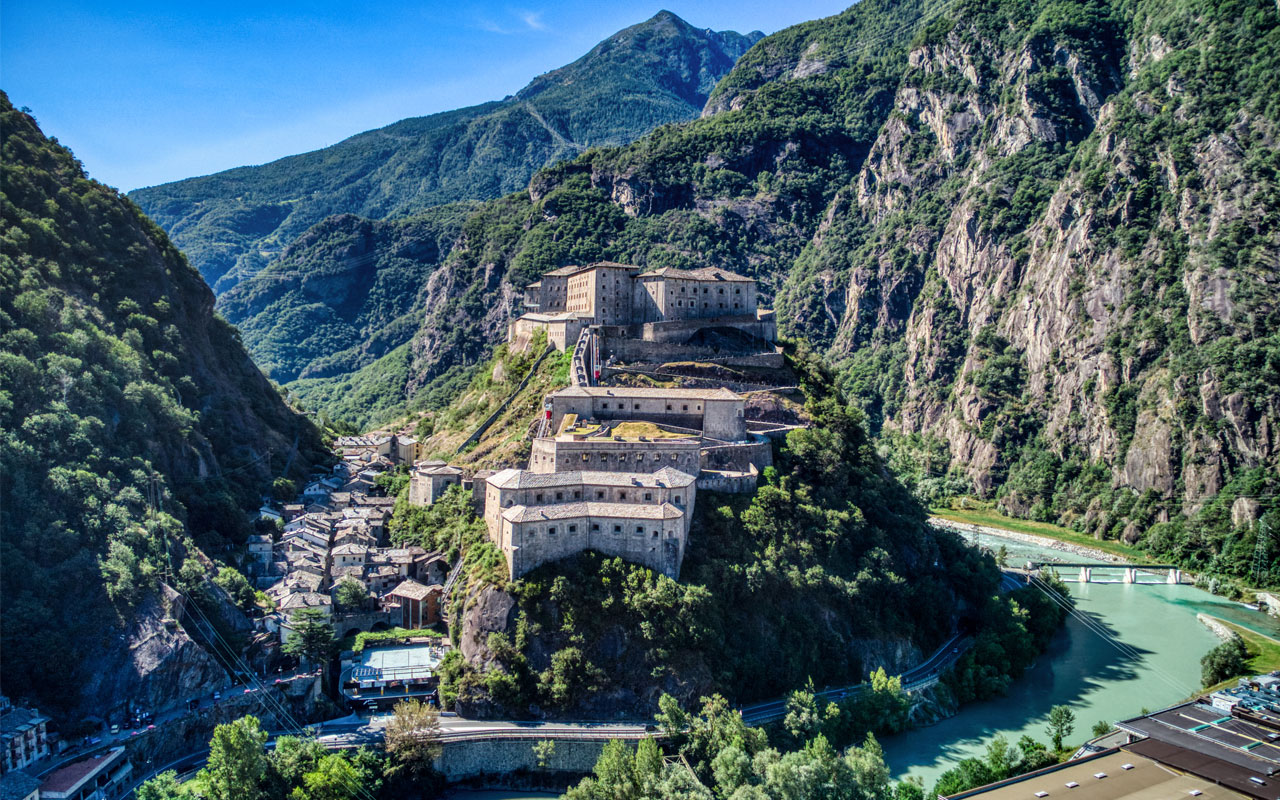
Forte di Bard (IT): Nueva estación FORTE CULTURA en Italia
(Foto: ©Hagai Agmon Snir) La fortaleza de Bard es una de las obras maestras de la arquitectura fortificada de la primera mitad del siglo XIX. Después de que Napoleón destruyera por completo una fortaleza anterior, Carlo Alberto Amadeo, rey de Cerdeña-Piamonte, reconstruyó desde cero la imponente fortaleza de montaña en el valle de Aosta a partir de 1830. Hoy en día, los museos y las modernas…
-
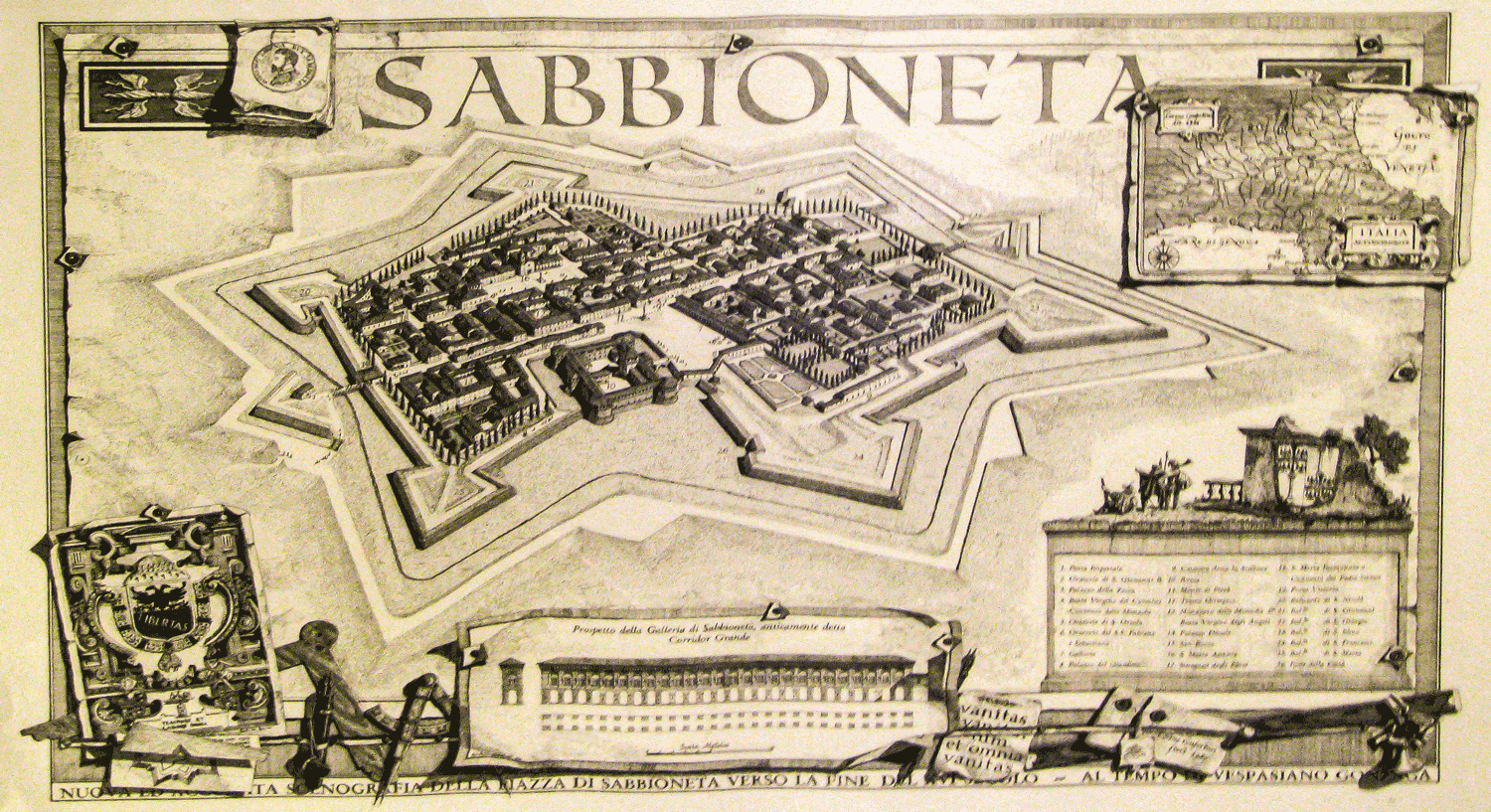
Sabbioneta (IT): Nueva estación de FORTE CULTURA en Italia
La ciudad ideal fortificada de Sabbioneta se construyó entre 1554 y 1571 y fue una de las primeras de este tipo en Europa. Fue también la primera fundación de ciudad autónoma del Renacimiento. La muralla en forma de hexágono irregular se conserva en su totalidad. Los cascos antiguos de Sabbioneta y Mantua han sido...
-
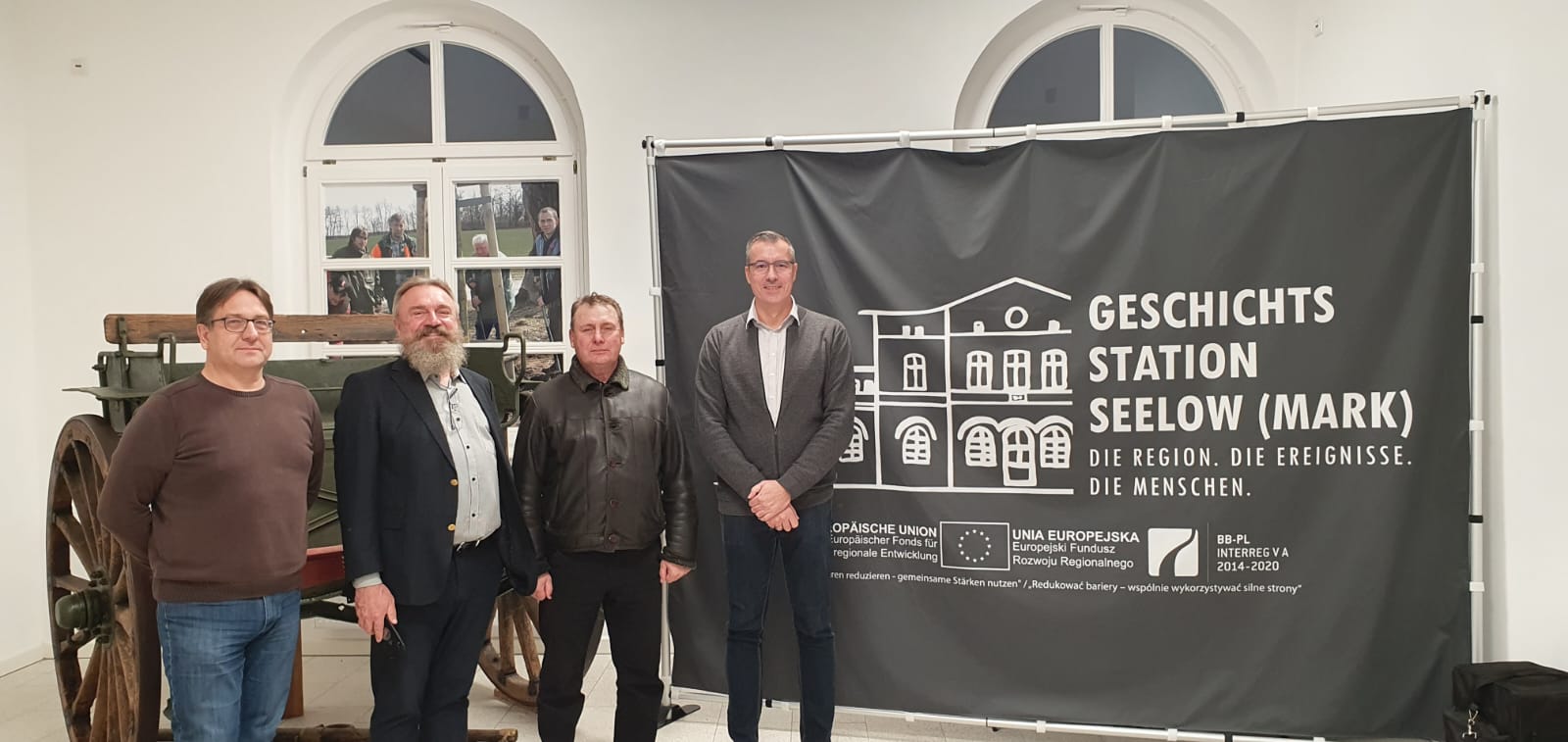
Seelow (Alemania): visita a la fortaleza de Medzhybizh
Oleg Pogorelets, director de la fortaleza ucraniana de Medzhybizh, y Dirk Röder (FORTE CULTURA) se reunieron en la frontera entre Alemania y Polonia para ponerse al día y hablar de las próximas actividades. Oleg informó sobre la guerra y sus repercusiones en la fortaleza, que ya ha sufrido algunos daños causados por proyectiles que no dieron en el blanco y por las ondas de choque de grandes explosiones en las inmediaciones. Destacó…
-
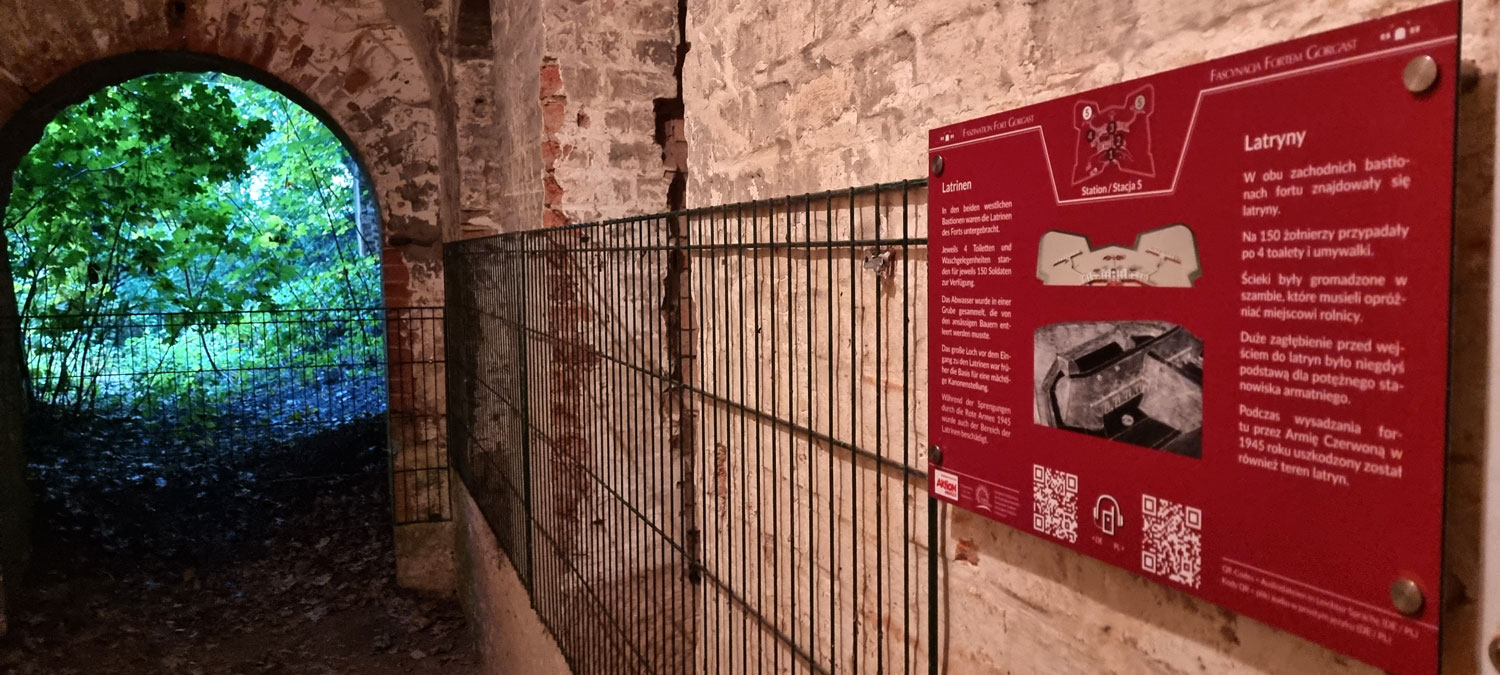
Fuerte Gorgast (DE): Tour en lenguaje fácil abierto
Gracias a una subvención de la lotería Aktion Mensch por un total de 4674,50 €, se ha creado una nueva ruta circular en lenguaje sencillo en Fort Gorgast.
-
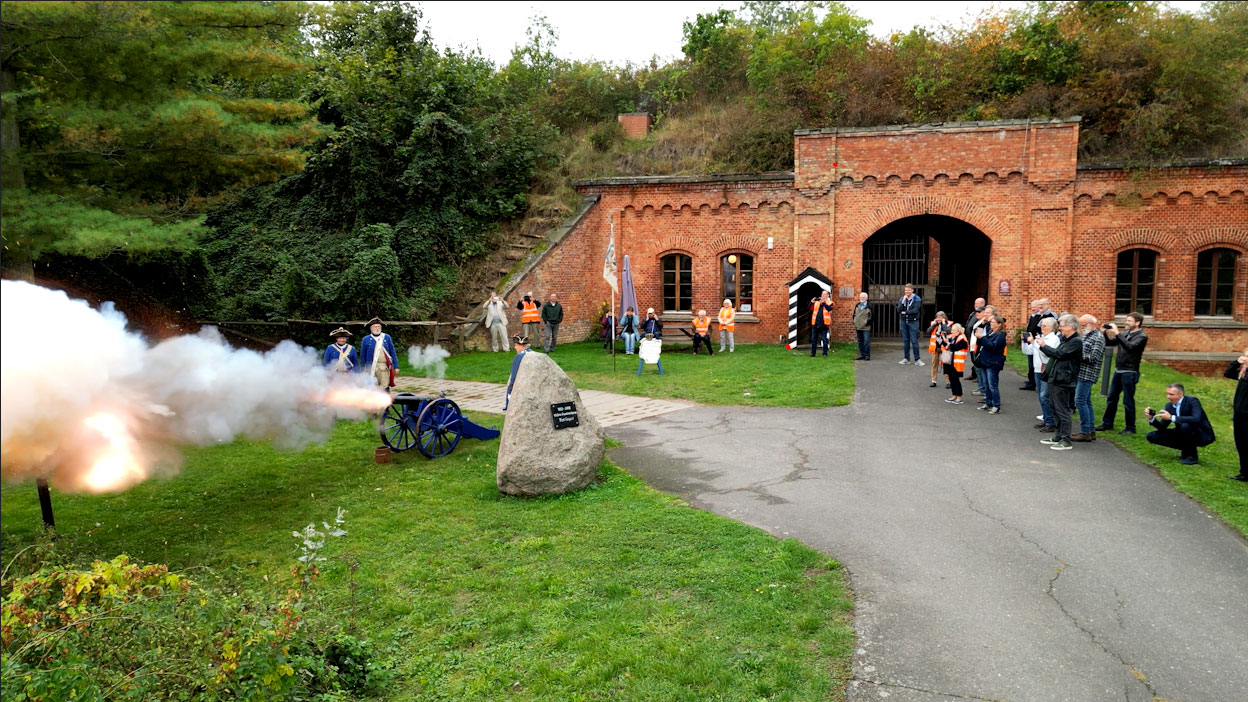
Fort Gorgast (Alemania): Reunión anual de la Asociación Alemana de Arquitectos y Constructores (BDB), Grupo Regional de Brandeburgo
27 miembros e invitados se reunieron con motivo de la reunión anual del grupo regional de Brandeburgo de la BDB en el Fuerte Gorgast. La jornada comenzó con unas palabras de bienvenida a cargo de Tino Krebs (director de la oficina de Golzow), seguidas de las ponencias de los invitados Dirk Röder sobre FORTE CULTURA, Josephine Kroneberg sobre el desarrollo ejemplar de la asociación para la restauración del Ravelin 2 de Magdeburgo, y Marcin…
-
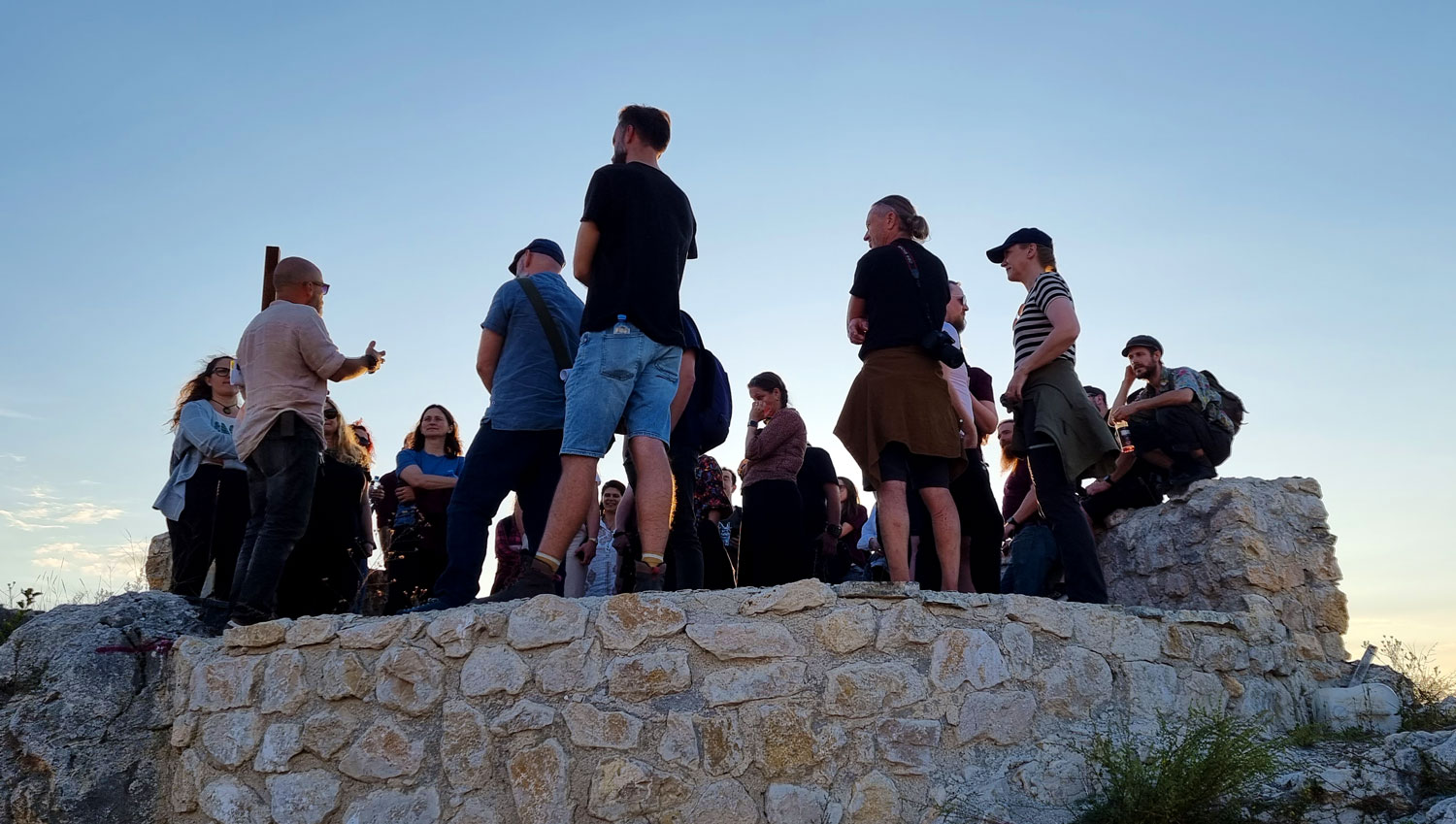
Râșnov (RO): Seminario, talleres y festival medieval
Un festival medieval celebrado en la fortaleza de Râșnov sirvió de marco para un seminario creativo internacional con talleres, cuyo objetivo era desarrollar modelos de uso y gestión sostenibles para la fortaleza, que actualmente se encuentra en proceso de restauración. Treinta participantes de ocho países aprovecharon el marco de este evento, excelentemente organizado (por Mioritics, Hands on History y el ayuntamiento de…
-
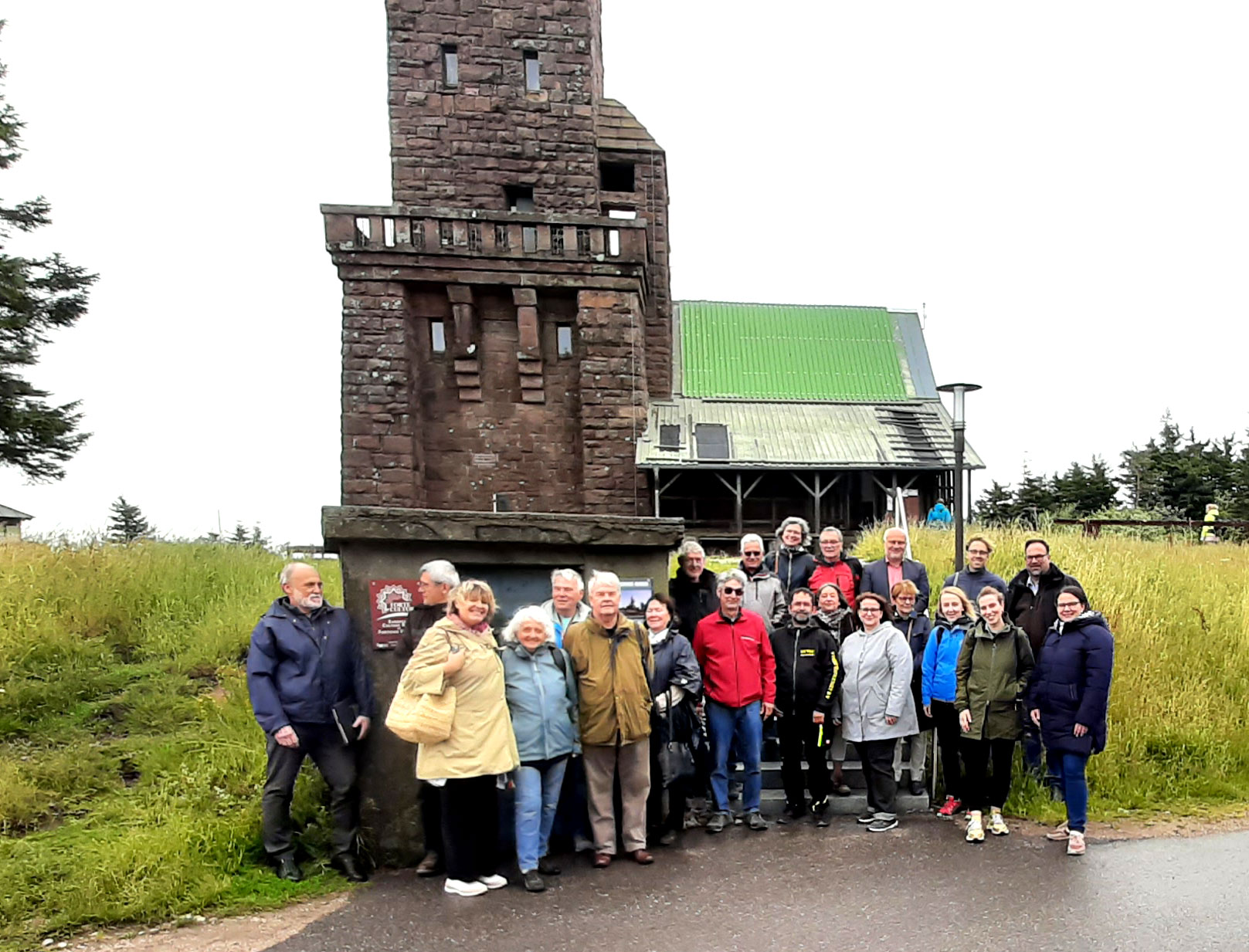
Hornisgrinde (Alemania): FORTE CULTURA Fortaleza Cluster Rin Superior Reunión del proyecto
19 socios de la cooperación germano-francesa de fortalezas y museos a lo largo del Alto Rin se reunieron en el Hotel-Restaurante Grindel Hütte, en Hornisgrinde, para debatir temas de actualidad relacionados con la colaboración transfronteriza. Entre los invitados de honor figuraban Katrin Schindele, diputada del Parlamento del Estado federado de Baden-Wurtemberg y Vicepresidenta de la Comisión de Economía, Trabajo y Turismo, y Reinhard...
-
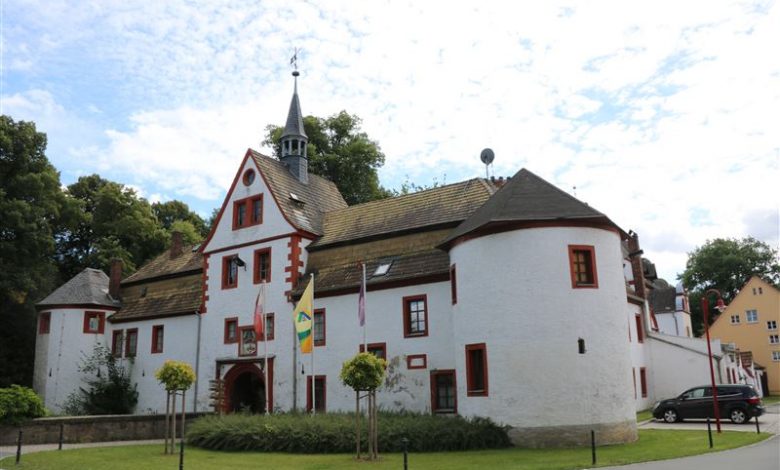
Windischleuba (Alemania): nueva estación FORTE CULTURA en Turingia
El castillo rodeado de foso de Windischleuba se construyó por primera vez en el año 925 como fortaleza fronteriza para proteger la vecina ciudad de Altenburg y, posteriormente, se transformó en una mansión fortificada. Durante mucho tiempo fue propiedad de los condes de Meissen y Münchhausen. El complejo, que antiguamente tenía forma trapezoidal, cuenta con una muralla perimetral con cuatro torres defensivas…
-
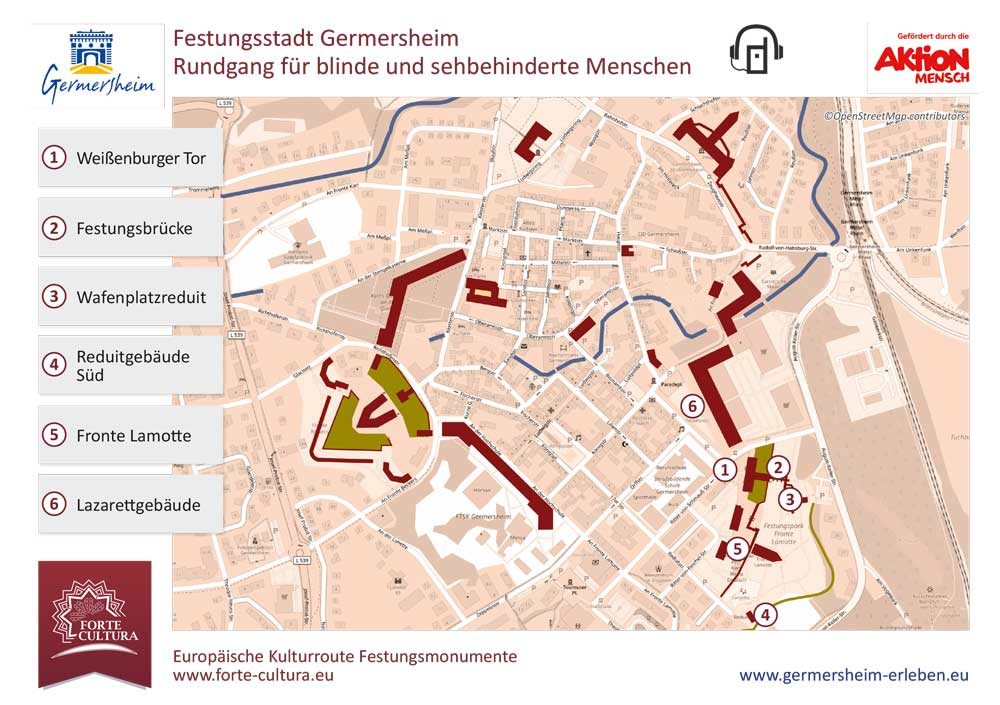
Germersheim (DE): Finaliza el proyecto de inclusión Aktion Mensch
En el marco del programa de financiación “#1 Barrier Less” de la lotería Aktion Mensch, FORTE CULTURA y la ciudad fortaleza de Germersheim ya han desarrollado en 2021 una ruta circular para invidentes y personas con discapacidad visual, que ofrece información sobre la ciudad fortaleza de Germersheim en señales en braille y en archivos de audio en 4 estaciones.....
-
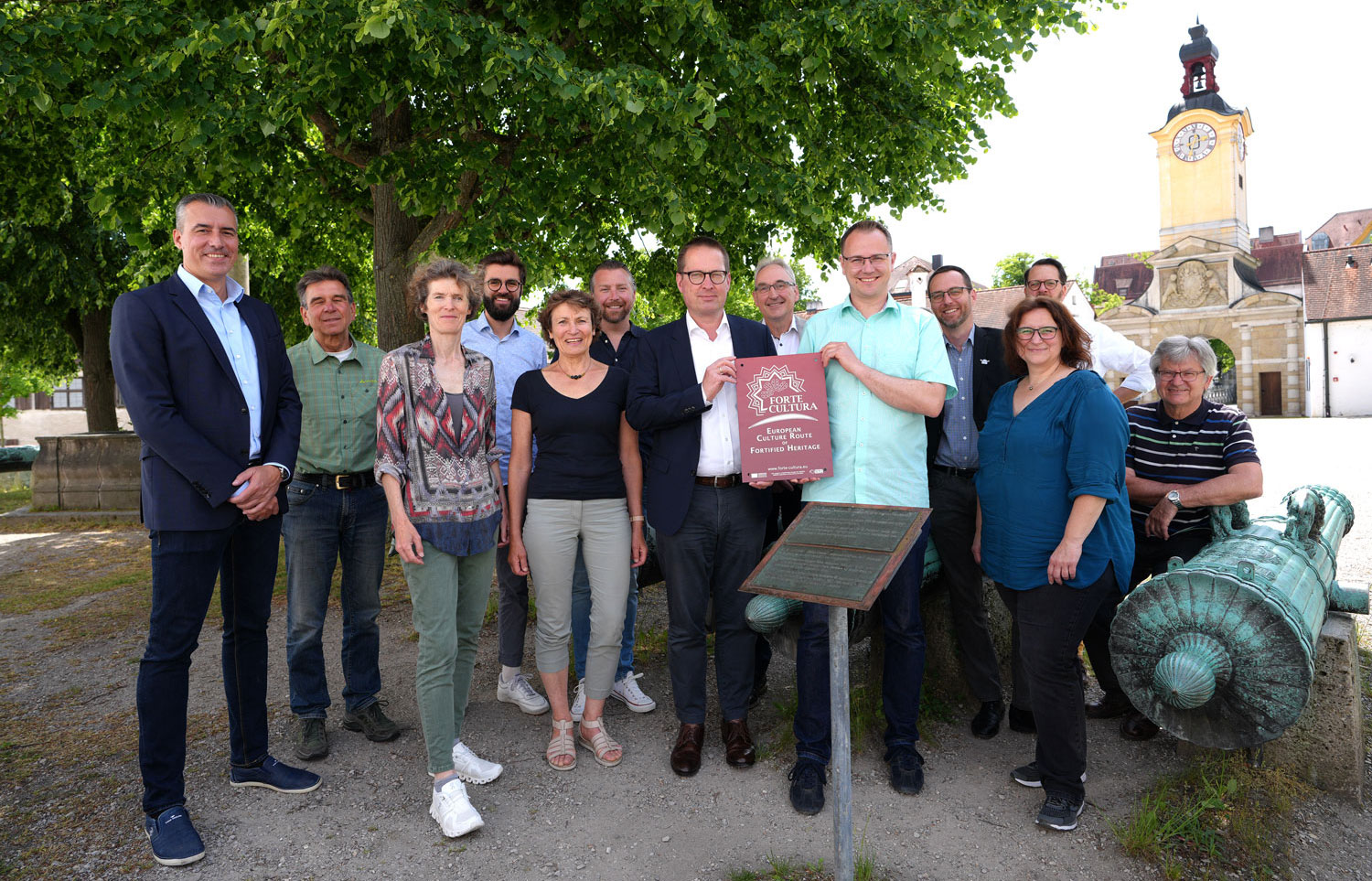
Ingolstadt (Alemania): Taller regional FORTE CULTURA
La sala de reuniones de la torre del Museo del Ejército de Ingolstadt, que data de 1420, constituyó el marco perfecto para debatir el futuro de la fortaleza estatal bávara en relación con FORTE CULTURA. Al taller, al que asistieron guías turísticos y representantes de la ciudad de Ingolstadt, así como invitados de Germersheim, Ulm y Kronach,...
-
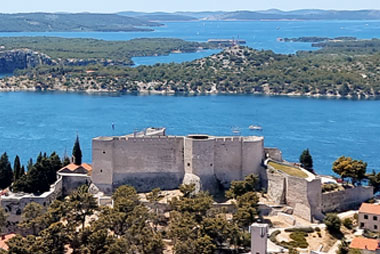
Šibenik (HR): Nueva estación FORTE CULTURA en la costa adriática de Croacia
Las fortalezas de Barone, San Juan y San Miguel, gestionadas por “Kulturfestung Šibenik”, han sido ampliamente renovadas en los últimos 10 años y equipadas con una amplia gama de funciones recreativas y educativas. Con numerosas innovaciones e inversiones orientadas al futuro, figuran entre las mejores prácticas europeas en el desarrollo sostenible de fortificaciones históricas,...
-
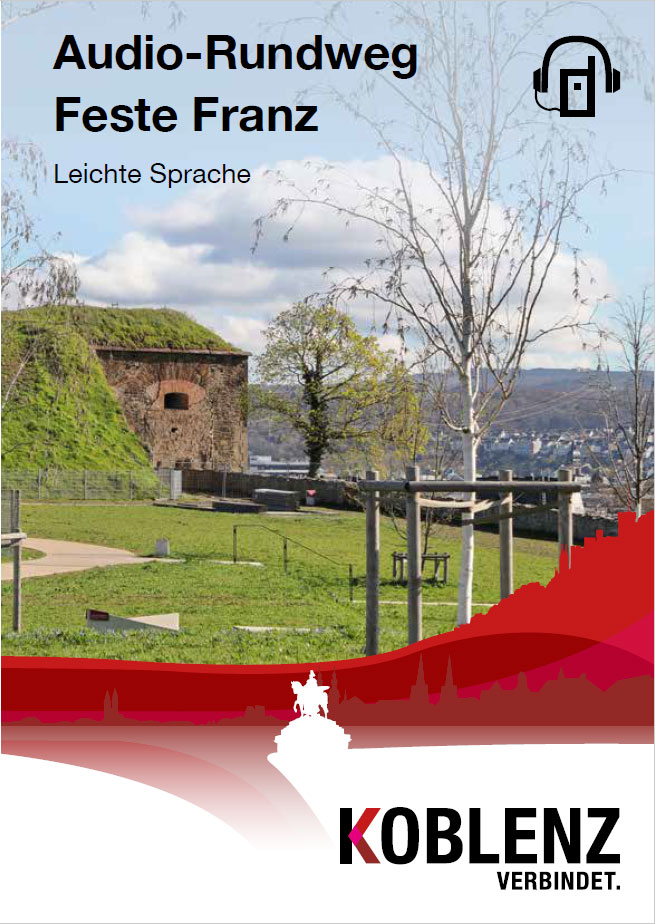
Coblenza (DE): Finaliza el proyecto de inclusión Aktion Mensch
Feste Kaiser Franz recibe un folleto sobre la fortaleza redactado en lenguaje sencillo. En el marco del programa de financiación “#1 Barrier Less” de la lotería Aktion Mensch, FORTE CULTURA y la ciudad fortificada de Coblenza (los servicios de espacios verdes y funerarios de Coblenza) han creado un recorrido circular en lenguaje sencillo en el “Parque de la Fortaleza del Emperador Francisco”….
-

Ingolstadt (Alemania): la ciudad fortificada se convierte en la nueva estación FORTE CULTURA de Baviera
La fortaleza estatal bávara de Ingolstadt se expandió a lo largo de cinco periodos históricos hasta convertirse en el gran sistema de fortalezas que se ve hoy en día. A ambos lados del Danubio, hay fortificaciones parcialmente muy bien conservadas que abarcan cinco siglos, representando la fortaleza renacentista, la expansión posterior a la Guerra de los Treinta Años, la fortaleza neoclásica (reconstrucción tras la demolición por Napoleón), así como una...
-

Fort Gorgast (Alemania): aprobado el proyecto de inclusión de Aktion Mensch
La Lotería Aktion Mensch ha aprobado una nueva financiación para un proyecto de FORTE CULTURA e.V. destinado a eliminar barreras, en esta ocasión en el Fuerte de Gorgast (Alemania). Se ha concedido una cantidad de 4.674,50 € para la creación de un recorrido circular con información en lenguaje sencillo dirigida a personas con discapacidad intelectual. Se instalarán carteles y audioguías en alemán y polaco que…
-
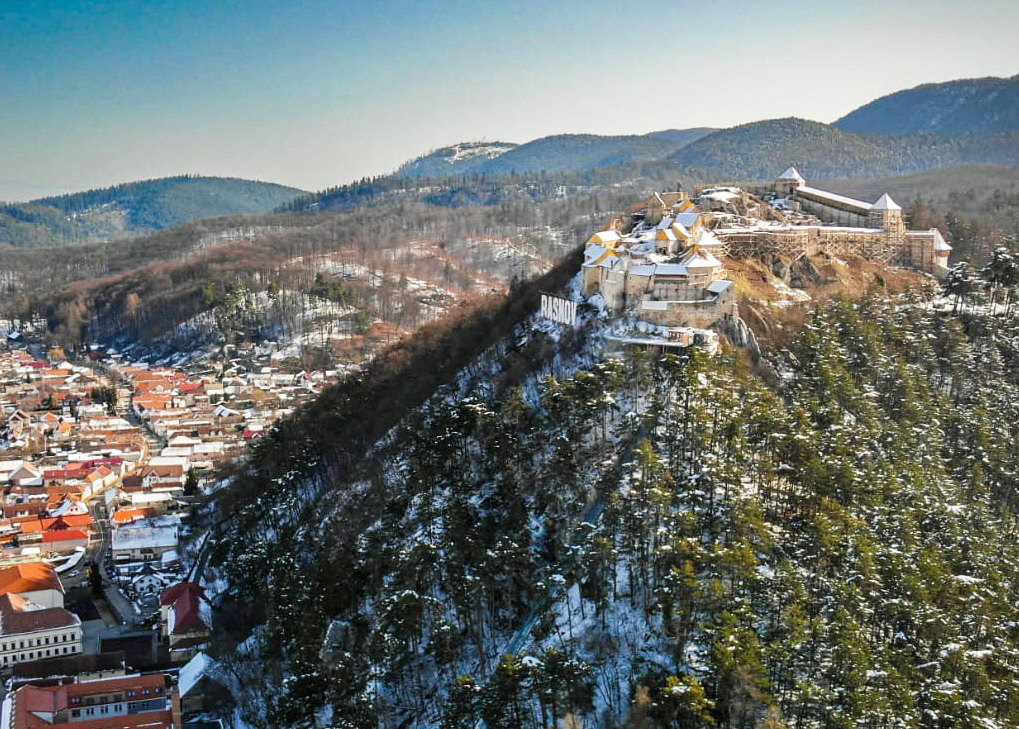
Râșnov (RO): La fortaleza de Râșnov se convierte en la primera estación FORTE CULTURA de Rumanía.
La fortaleza de Râșnov (Rosenau) goza de una ubicación pintoresca en una colina que domina la localidad del mismo nombre, en Transilvania (Rumanía). Este “castillo campesino” es una fortaleza-refugio del siglo XIV que sirvió de cobijo a la población local en tiempos de guerra, en ocasiones durante décadas. Hoy en día, la fortaleza de Râșnov es una popular atracción turística. En los últimos años se han llevado a cabo importantes obras de restauración, y…
-

San Marino (SM): La República de San Marino se convierte en emisora de FORTE CULTURA
San Marino es una de las repúblicas más antiguas del mundo. Este pequeño Estado, situado al suroeste de la provincia italiana de Emilia-Romaña, cuenta además con un importante patrimonio de fortalezas, parte del cual figura en la Lista del Patrimonio Mundial de la UNESCO. Las fortalezas de Guaita, Cesta y Montale, situadas en la cresta del Monte Titano, son incluso…
-

Küstriner Vorland (Alemania): El fuerte Gorgast se convierte en la nueva estación FORTE CULTURA
El fuerte de Gorgast se construyó a finales del siglo XIX y es un fuerte exterior de la antigua fortaleza de Küstrin (Kostrzyn nad Odrą, Polonia). El fuerte prusiano de Biehler es el único de los cuatro fuertes exteriores de la fortaleza de Küstrin situado en la margen occidental del río Óder, y es también el…
 English (UK)
  Deutsch
  Français
  Italiano
  Polski
  Español