from Nataša Urošević
Heritage – Community – Tourism on European fortification landscapes as corridors of peace, scientific and cultural cooperation, sustainable tourism, community participation and environmental resilience.
Models of sustainable valorization of European fortification landscapes as spaces for promoting peace and civil initiatives, scientific and cultural cooperation were the main topic of the invited lecture “Naval Fortress Pula: Valorizing common European heritage through transnational networks”, which was presented by Assoc. Prof. Ph.D. Nataša Urošević at the international conference FORTRESS: REUSED. Heritage – Community – Tourism, held in Krakow on September 23-24 2026.
At the international meeting organized as part of the European Urban Initiative program, which helps European cities in sustainable urban development, testing innovative solutions and strengthening capacity, European experiences of good practice in the revitalization of historical fortification systems were presented, including Krakow, Przemyśl and Srebrna Góra in Poland, and specific experiences of cities with fortifications such as Venice (Italy), Pula (Croatia) and Alba Iulia (Romania).
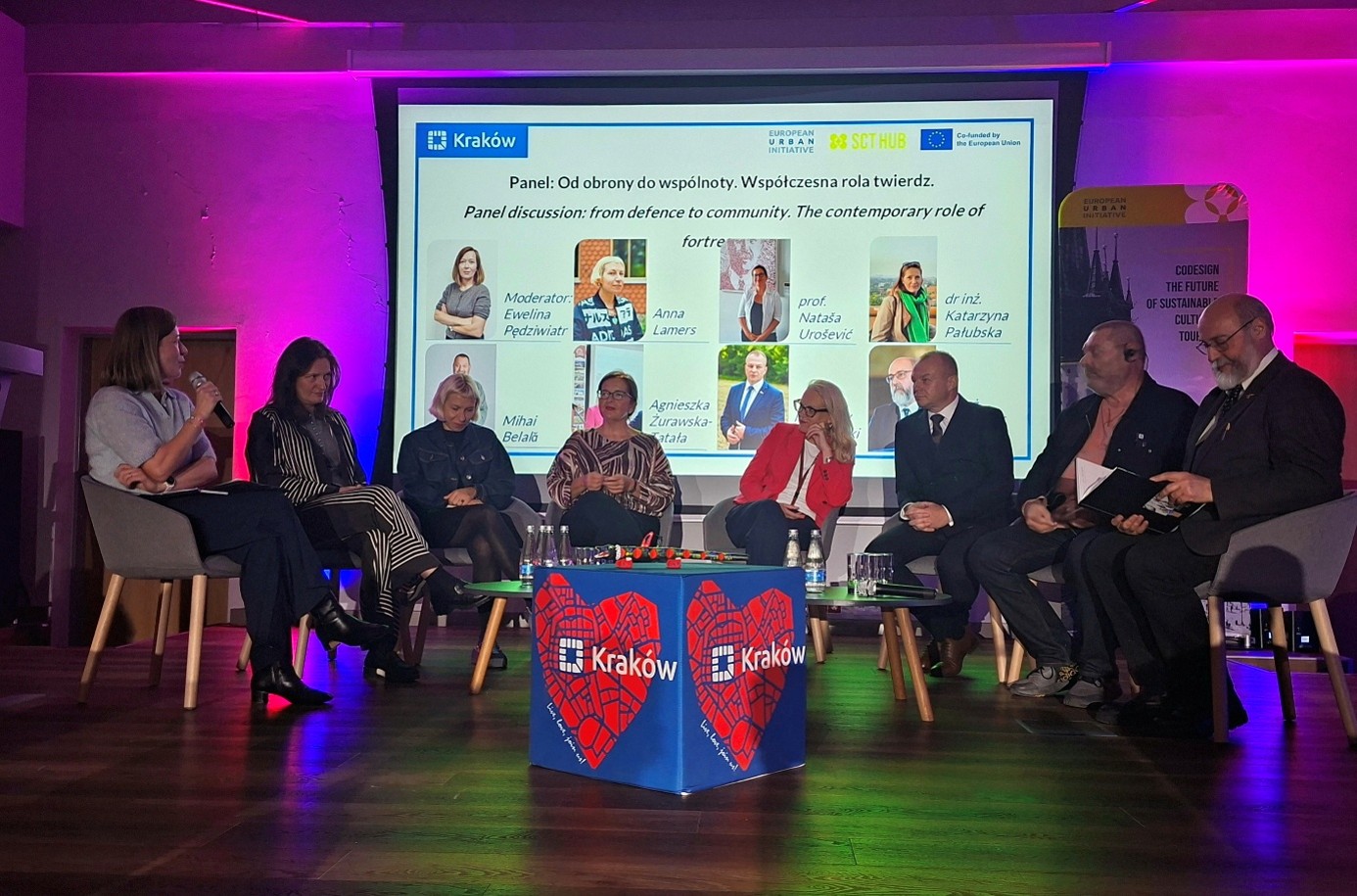
The importance of participatory models of management and involvement of the local community and international cooperation in projects of valorization and revitalization of the common European heritage, including transnational nominations on the UNESCO list, was discussed at the panel discussion and round table “FROM DEFENSE TO COMMUNITY. THE CONTEMPORARY ROLE OF FORTRESSES”, which brought together European experts on the topics of the social dimension and involvement of the local community and new functions for historical fortifications. FORTE CULTURA was represented at the round table by Agnieszka Zurawska-Tatala, Head of European Integration Office in the Kostrzyn nad Odra (PL) and Nataša Urošević, associate professor at the Juraj Dobrila University of Pula and head of the FORTE CULTURA scientific committee. Both speakers emphasized the importance of international cooperation and knowledge transfer by presenting the best European practice through European projects:
– In addition to the key role of the revitalization of the former military heritage for various civil functions, into spaces for the promotion of cultural and scientific cooperation, fortification landscapes also represent an important aspect of green infrastructure, and as recreational zones on the urban periphery they also play a key role in sustainable tourism, because they disperse tourist flows from historical cores burdened with excessive tourism. Through European projects and international research networks, capacities are strengthened and best practices are transferred in the revitalization of the common European heritage, concluded Urošević at the panel of experts.
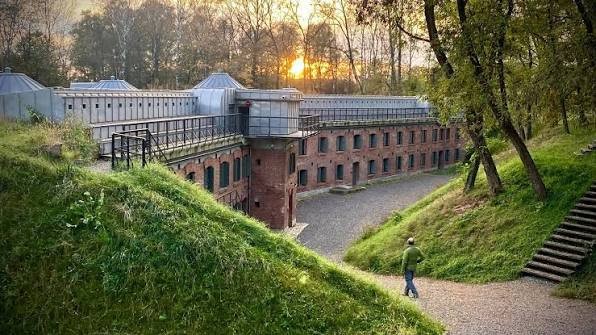
The conference was held in the restored fort of Jugowice, one of the twenty larger city fortifications, which has been converted into a multifunctional cultural center and museum, as part of the already traditional Days of Fortifications. The renovated building, which functions as part of the diffuse city Museum of Krakow, served as a model for the successful conversion of an abandoned military complex into a modern social and museum space. Experts from TU Krakow headed by prof. Ph.D. With Krzysztof Wielgus, they developed a unique system of documentation, valorization and technical revitalization of neglected fortifications, which, thanks to the successful synergistic model of financing and participatory management of the City of Krakow, received new functions, intended above all to increase the quality of life of the local community, from museums, cultural, scientific and research centers to wine bars, restaurants, hostels and hotels. The city fortifications, interconnected by a popular cycling and walking route, have become a very popular recreation area, both for the local population and for numerous foreign tourists.
At the conference, which, in addition to international experts and representatives of local administration and the cultural sector, brought together numerous researchers and students of architecture, the possibility of cooperation on valorization projects of the common European fortification heritage was also discussed.
 English (UK)
  Deutsch
  Français
  Italiano
  Polski
  Español
Leave a Reply