
Catégorie : Par les stations membres
-

Jaroměř (CZ) : La ville fortifiée idéale de Josefov complète le groupe FORTE CULTURA des “Forteresses de Bohême” en République tchèque.
La forteresse de Josefstadt se trouve à Jaroměř, en Bohême orientale, près de la frontière polonaise, au confluent de l'Aupa et de la Mettau, qui se jettent dans l'Elbe. Elle a été construite entre 1780 et 1787 par les Habsbourg pour se défendre contre la Prusse et a été rebaptisée en mémoire de l'empereur Joseph II (anciennement forteresse de Ples). Dans le cadre de FORTE CULTURA, elle complète à la fois le groupe de…
-
Nowy Dwór Mazowiecki (PL) : La forteresse de Modlin devient une station FORTE CULTUTRA en Pologne
L'une des plus grandes forteresses d'Europe vient désormais compléter le réseau FORTE CULTURA en Pologne. Le système de forteresses de Modlin est situé à 30 minutes au nord de Varsovie, au confluent stratégiquement important de la Vistule, de la Narew et de la Wkra. C'est le roi suédois Charles Gustave qui, en 1660, a été le premier à tirer parti de cet emplacement stratégique et à y construire une…
-
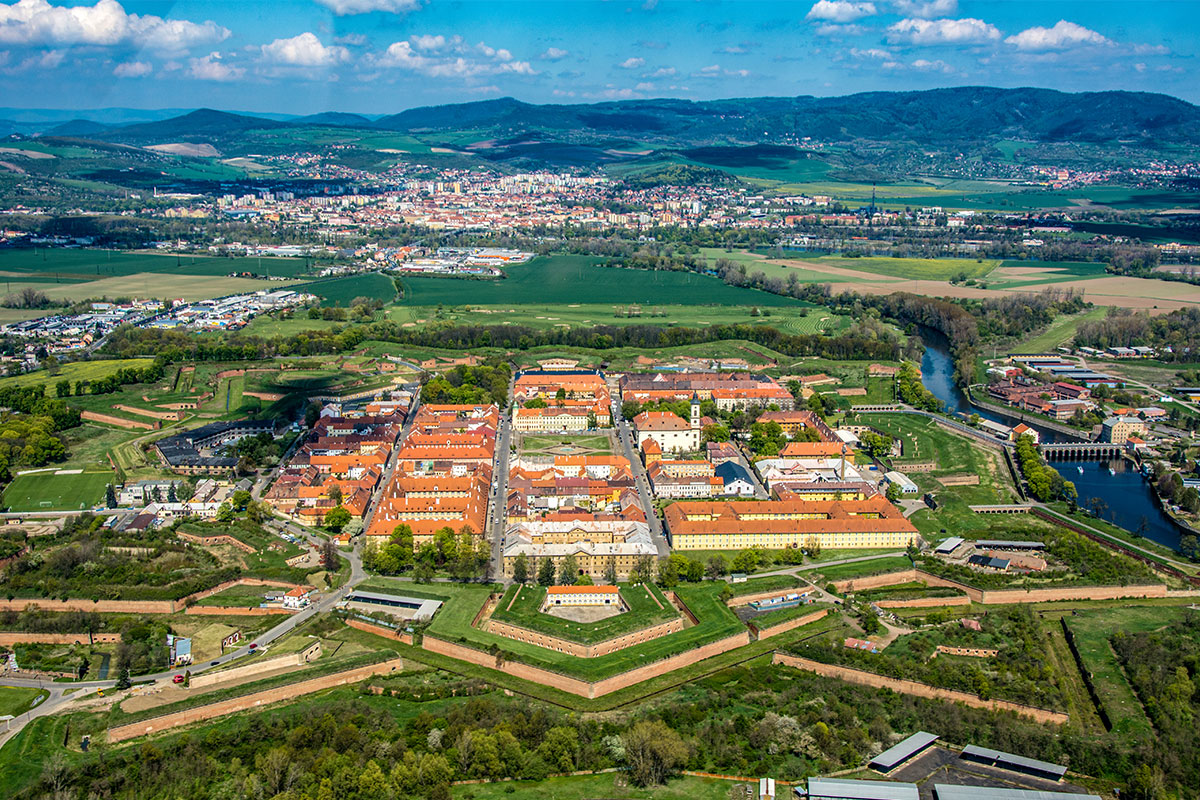
Terezín (CZ) : La ville forteresse idéale de Terezín devient la deuxième station FORTE CULTURA en République tchèque.
Terezín fait partie des quelque 50 villes-forteresses idéales d'Europe. Terezín, qui tire son nom de l'impératrice Marie-Thérèse, a été construite par les Habsbourg pour se prémunir contre la Prusse entre 1780 et 1790, à l'endroit où l'Eger se jette dans l'Elbe. Cette imposante ville-forteresse idéale, dotée d'un réseau de galeries souterraines d'environ 20 kilomètres de long, est l'une des plus grandes…
-

Rastatt (Allemagne) : le musée d'histoire militaire de Rastatt (WGM) devient la station FORTE CULTURA du Rhin supérieur
Le Musée d'histoire militaire de Rastatt (WGM) est situé dans l'aile sud du château de la Résidence à Rastatt et est consacré à l'histoire militaire allemande moderne. D'une superficie d'environ 1 500 mètres carrés, le musée offre un aperçu de l'histoire militaire allemande, et en particulier celle du sud-ouest de l'Allemagne, de 1500 à 1918, et met en évidence le lien…
-
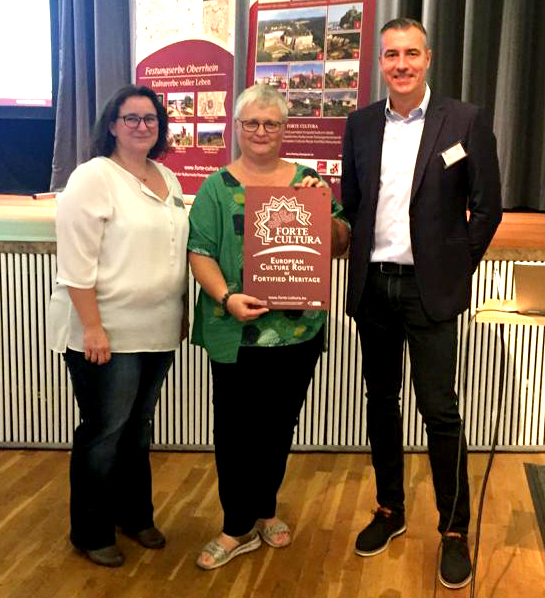
Alsace (FR) : Tourisme Destination Alsace (ADT) devient membre de FORTE CULTURA
Alsace Destination Tourisme (AD) est l'agence de tourisme de la Communauté européenne de l'Alsace ; elle est chargée du développement et de la promotion du tourisme, notamment dans le cadre de la coopération transfrontalière. En raison de l'histoire mouvementée de l'Alsace, marquée par l'alternance de dominations française et allemande, la région compte de nombreux monuments fortifiés. En collaboration avec FORTE CULTURA, l'ADT souhaite…
-
Germersheim (Allemagne) : création d'une visite guidée de la forteresse pour les personnes aveugles et malvoyantes
Dans le cadre d'un projet financé par Aktion Mensch au titre du programme “ #1 Barrier less ”, un circuit de visite de la forteresse destiné aux personnes aveugles et malvoyantes a été mis en place en collaboration avec FORTE CULTURA. Le circuit circulaire traverse les quartiers les plus remarquables de la ville fortifiée de Germersheim et est équipé de panneaux tactiles en braille….
-
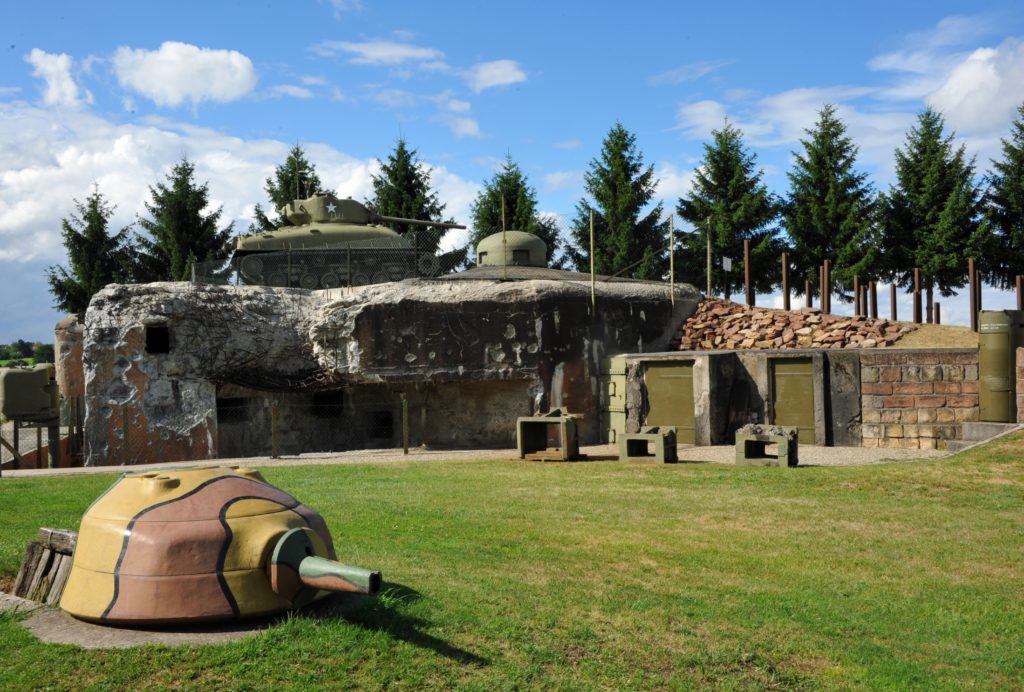
Hatten (FR) : le Musée de l'Abri de Hatten devient le nouveau centre FORTE CULTURA en Alsace
L'Abri de Hatten est situé à Hatten en Alsace, à environ 50 km de Strasbourg et 40 km de Karlsruhe. Abri signifie abri, ce qui est peu dire pour un bunker de la ligne Maginot, conçu pour 220 hommes. Le musée de l'Abri consacre ses 28 salles d'exposition au mouvement...
-

Prague (CZ) : la forteresse de Vyšehrad devient la station FORTE CULTURA à Prague
Le site culturel national de Vyšehrad à Prague devient le premier membre de FORTE CULTURA en République tchèque. La forteresse surplombant la Vltava offre une vue magnifique sur la capitale tchèque et abrite un musée, une cathédrale ainsi que de nombreuses activités de loisirs. Vyšehrad à Prague participait déjà aux activités du cluster régional FORTE CULTURA…
-

Cochem (Allemagne) : le bunker de la Bundesbank devient une nouvelle station FORTE CULTURA sur la Moselle
Le bunker de la Bundesbank à Cochem a été pendant des décennies un secret de la RFA soigneusement gardé et dissimulé. Pendant la guerre froide, 15 milliards de marks allemands y étaient stockés sur environ 1 500 mètres carrés, servant de réserve monétaire secrète en cas d'urgence. Depuis 2016, cet ancien bunker de défense nucléaire est devenu un musée passionnant consacré à l'histoire allemande pendant la…
-

‘s-Hertogenbosch (Pays-Bas) : cette ville fortifiée dotée d'une citadelle devient le premier centre FORTE CULTURA des Pays-Bas.
La ville fortifiée de ‘s-Hertogenbosch (ou Den Bosch) est la capitale de la province néerlandaise du Brabant-Septentrional et possède un patrimoine fortifié exceptionnel, avec ses remparts et sa citadelle. Den Bosch se distingue également par son approche extrêmement innovante, comme en témoigne le centre d'accueil des visiteurs situé dans le Bollwerk Sankt Johann, un parking à plusieurs étages…
-
Nouveaux instruments marketing “ Monuments forts du patrimoine culturel dans la région du Rhin supérieur ”
À l'initiative de la ville fortifiée de Germersheim, avec le soutien de l'Eurodistrict PAMINA et de l'association touristique Bade-Alsace-Palatinat (Vis-à-Vis), FORTE CULTURA a élaboré, pour le compte de l'Association de promotion du Haut-Rhin, un dépliant sur les forteresses comprenant une carte, un carnet de tampons et une exposition itinérante. Ces supports promotionnels sont désormais disponibles auprès des 30…
-
Nouvelle(s) station(s) FORTE CULTURA dans le Rhin supérieur (DE-FR)
Nous souhaitons la bienvenue au groupe régional “ Forteresses et histoire de la défense dans le Haut-Rhin 1929-1999 ”, qui comprend le musée du bunker de Dettenheim, le circuit des bunkers de Hausach, le bunker de Hornisgrinde, le bunker camouflé de Neumühl, le bunker-musée Emilie (tous en Allemagne) et le Musée Mémorial de Walbourg (2MCLADN, France) en tant que nouvelles stations FORTE CULTURA de notre réseau. La forteresse…
-
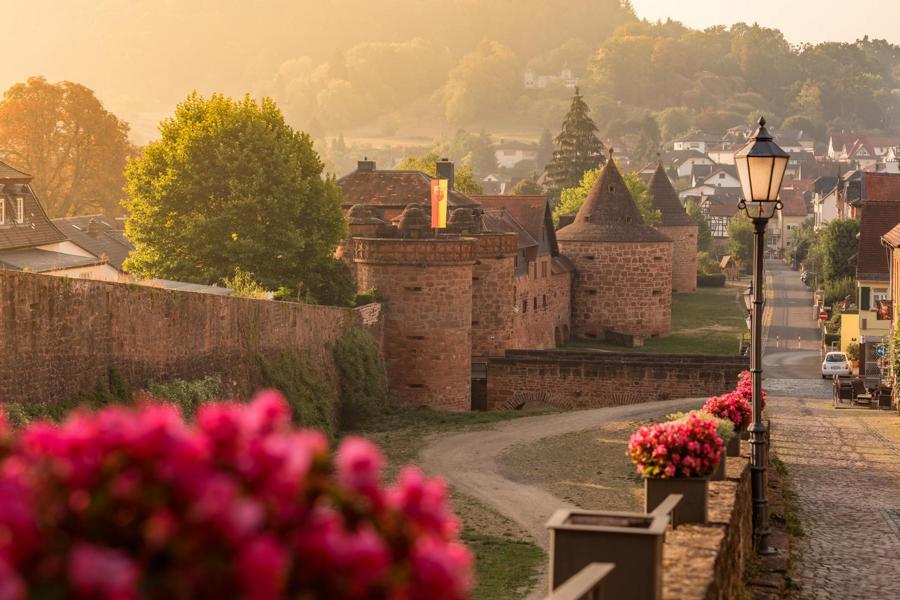
Büdingen (DE) : la ville fortifiée de Büdingen devient une station FORTE CULTURA
Avec la signature de la demande d'adhésion par le maire Erich Spamer, la ville de Büdingen est devenue le tout dernier membre de FORTE CULTURA. Cette ville fortifiée de Haute-Hesse possède non seulement une vieille ville pittoresque avec ses maisons à colombages et son château fort, mais elle est également protégée depuis des siècles par une imposante fortification bien préservée…
-
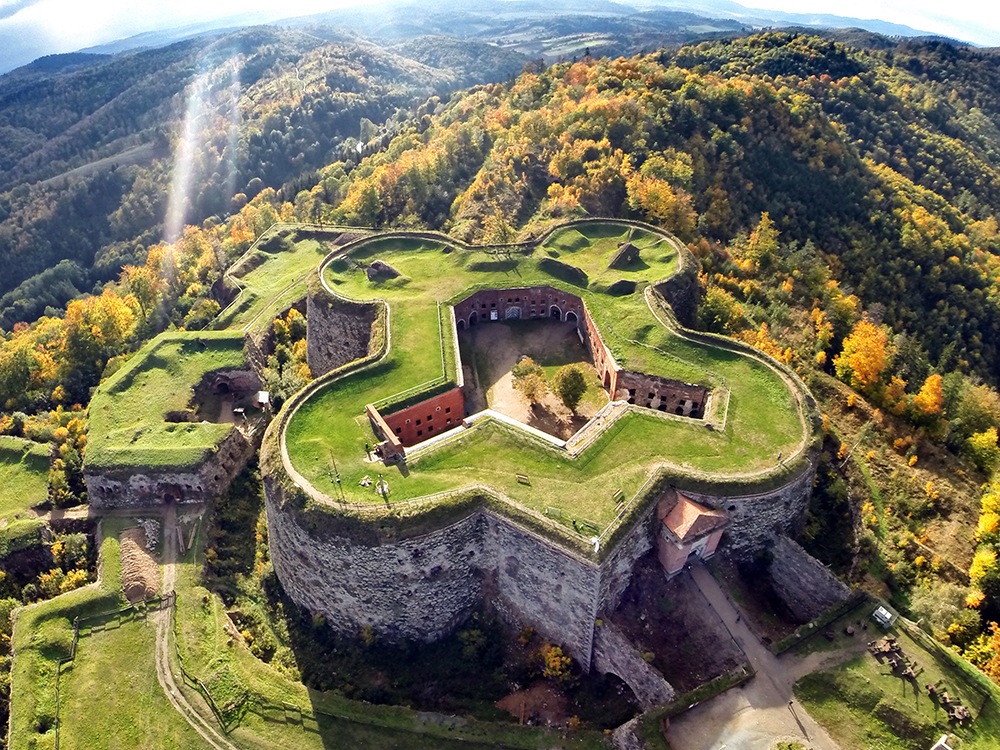
Srebrna Góra (PL) : la forteresse de Silberberg devient membre du réseau
La forteresse de Srebrna Gora est la plus haute forteresse de montagne d'Europe. Construite entre 1765 et 1777, elle renforçait la défense des frontières de l'État prussien en Basse-Silésie. Le système de fortifications de Silberberg se compose du bastion “ Fort Donjon ” – le cœur du complexe – ainsi que des fortifications secondaires environnantes de “ Wysoka Skala ”, “ Fort…
-
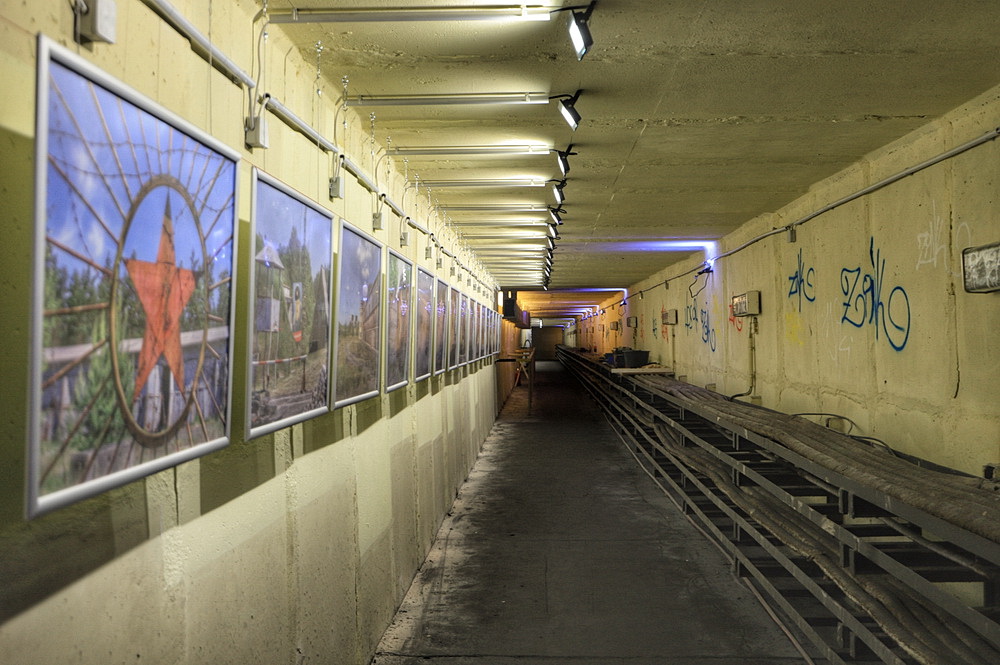
Berlin (Allemagne) : Orte der Geschichte e.V. renforce son réseau
Cette association berlinoise organise des visites guidées et des excursions vers des sites architecturaux datant de la guerre froide (casernes, aérodromes et bunkers). Elle s'engage également à préserver le bunker de télécommunications le plus moderne de l'ancienne RDA en le transformant en un « bunker culturel » de Strausberg ouvert au public. À l'automne 2019, la première phase a vu la mise en service du tunnel d'environ 300 mètres de long…
-
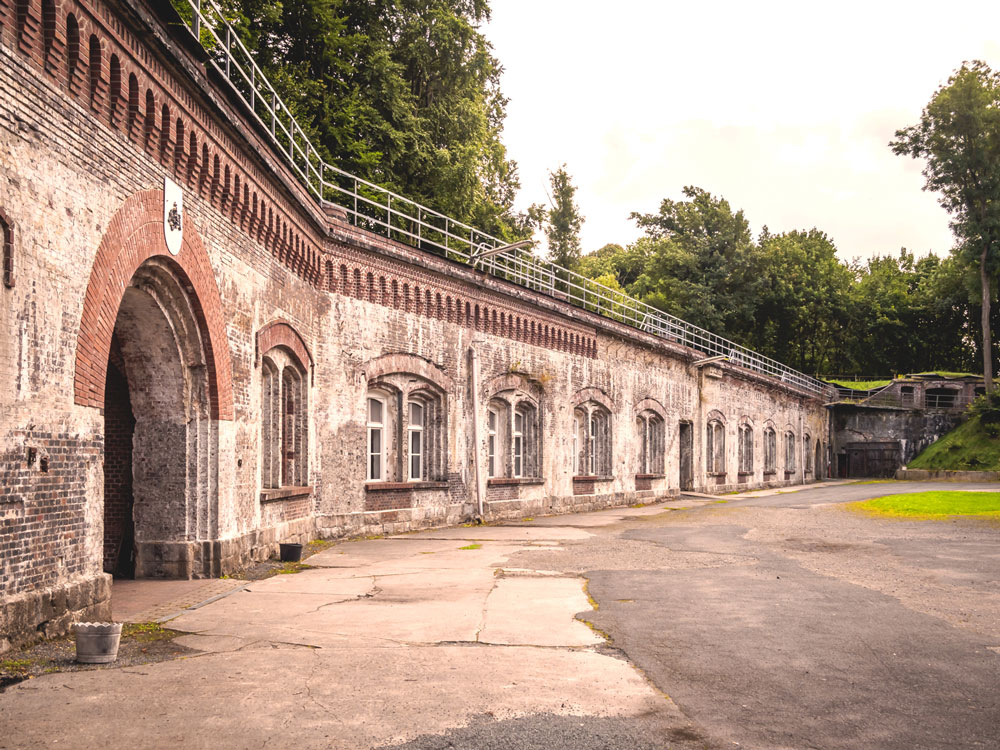
Stade (DE) : la forteresse de Grauerort devient un nouveau membre du réseau sur l'Elbe
Le Fort Grauerort, une perle de forteresse prussienne sur l'Elbe, a été construit au 19ème siècle et développé en un lieu culturel attrayant dans la ville hanséatique de Stade sous les auspices de l'association Festung Grauerort e.V.. L'association a signé son adhésion au réseau le 25 février 2020, devenant ainsi le quatrième membre du réseau FORTE...
-
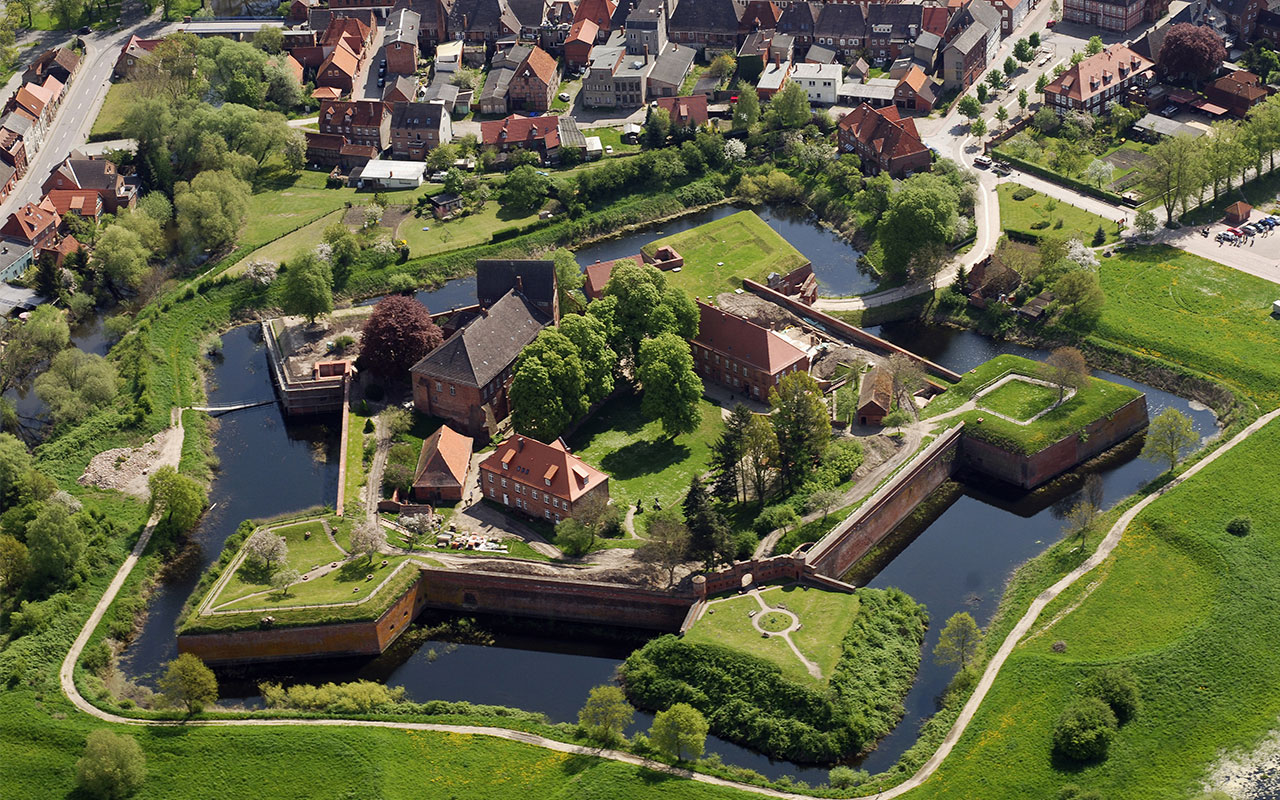
Dömitz (DE) : la ville fortifiée idéale de Dömitz devient un nouveau membre du réseau sur l'Elbe
La forteresse de Dömitz est très connue le long de l'Elbe. Ce qui est beaucoup moins connu, c'est que la forteresse est en fait la citadelle de l'ancienne ville idéale fortifiée de Dömitz, qui a été construite dans le style de la Renaissance. Le maire Reinhold Suhrau a signé l'adhésion à notre réseau à la fin du mois de décembre, renforçant ainsi le réseau FORTE...
-
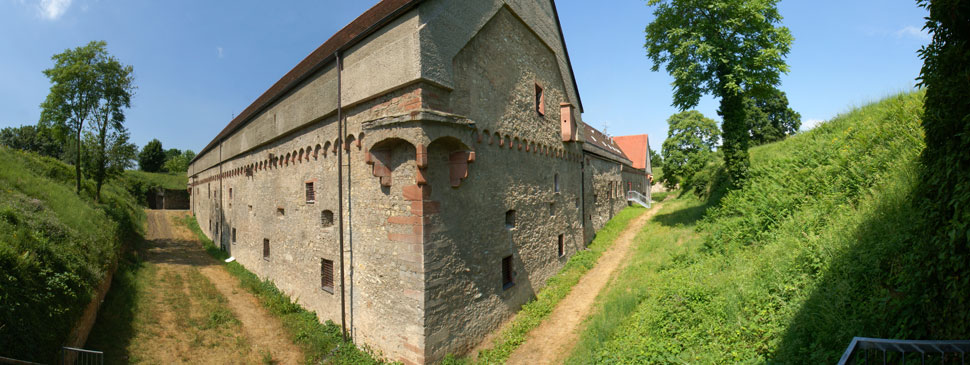
Rüsselsheim (Allemagne) : la ville de Rüsselsheim devient un nouveau membre du réseau sur le Main
La forteresse de Rüsselsheim est située au bord du Main et constitue désormais, après celle de Ziegenhain, la deuxième ancienne forteresse de l'État de Hesse à faire partie de notre réseau. Elle abrite le musée de la ville et de l'industrie de Rüsselsheim ainsi qu'un café. Le maire Udo Bausch a signé l'accord d'adhésion fin novembre, qui entre désormais en vigueur…
-
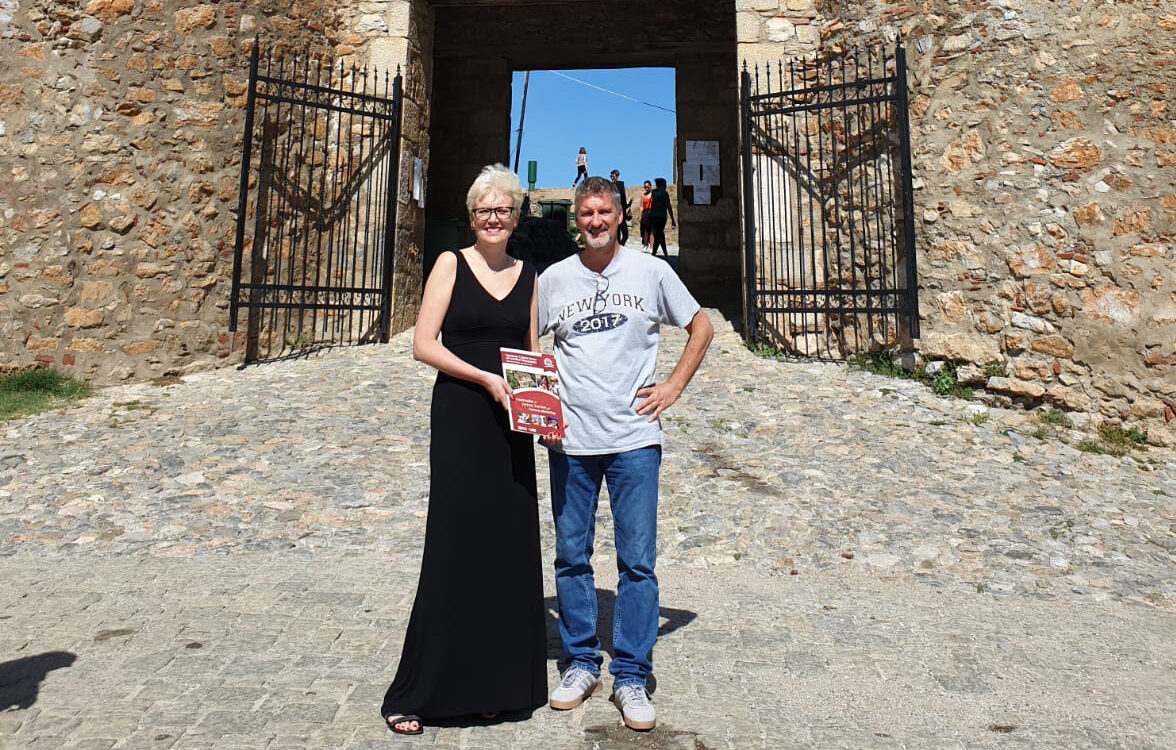
Ohrid (MK) : un nouveau membre du réseau vient de Macédoine du Nord
Ohrid est une ville située au sud-ouest de la République de Macédoine du Nord, au bord du lac d'Ohrid, à la frontière avec l'Albanie. La ville est réputée pour ses églises et ses monastères médiévaux dans la magnifique vieille ville, ainsi que pour la forteresse de Samuel qui surplombe la ville et dont l'origine remonte au tsar Samuel au XIe siècle. Après un…
-
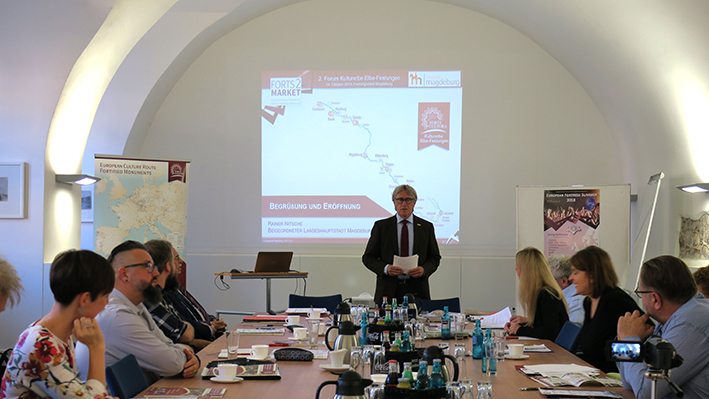
Magdebourg (Allemagne) : 2e Forum sur le patrimoine culturel des forteresses de l'Elbe
Rainer Nitsche, adjoint au maire de Magdebourg au département III Économie, tourisme et coopération régionale, a ouvert le “2e Forum du patrimoine culturel de la forteresse de l'Elbe”, auquel ont participé le maire de Dömitz ainsi que des représentants de Stade, Königstein, Terezin (CZ), Torgau, Dresde et du réseau de la forteresse. Entre autres, des instruments de marketing communs pour le nouveau...
-
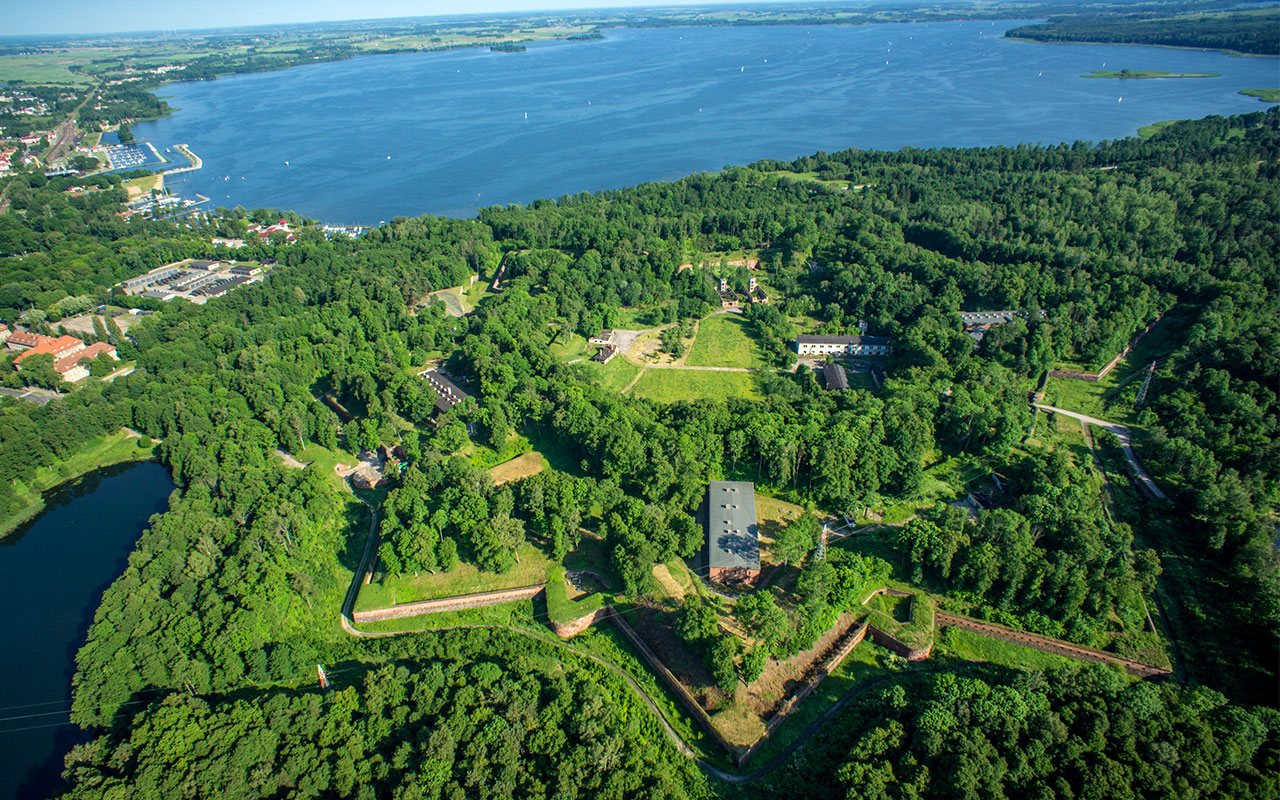
Giżycko (PL) : le Centre culturel de Giżycko – Feste Boyen devient le nouveau membre du réseau
La forteresse de Boyen a été construite à partir de 1843 en tant que forteresse prussienne circulaire dans l'actuelle ville de Giżycko, anciennement Lötzen, et était l'une des forteresses les plus puissantes de Mazurie.
 English (UK)
  Deutsch
  Français
  Italiano
  Polski
  Español