Kategorie: Standorte
-
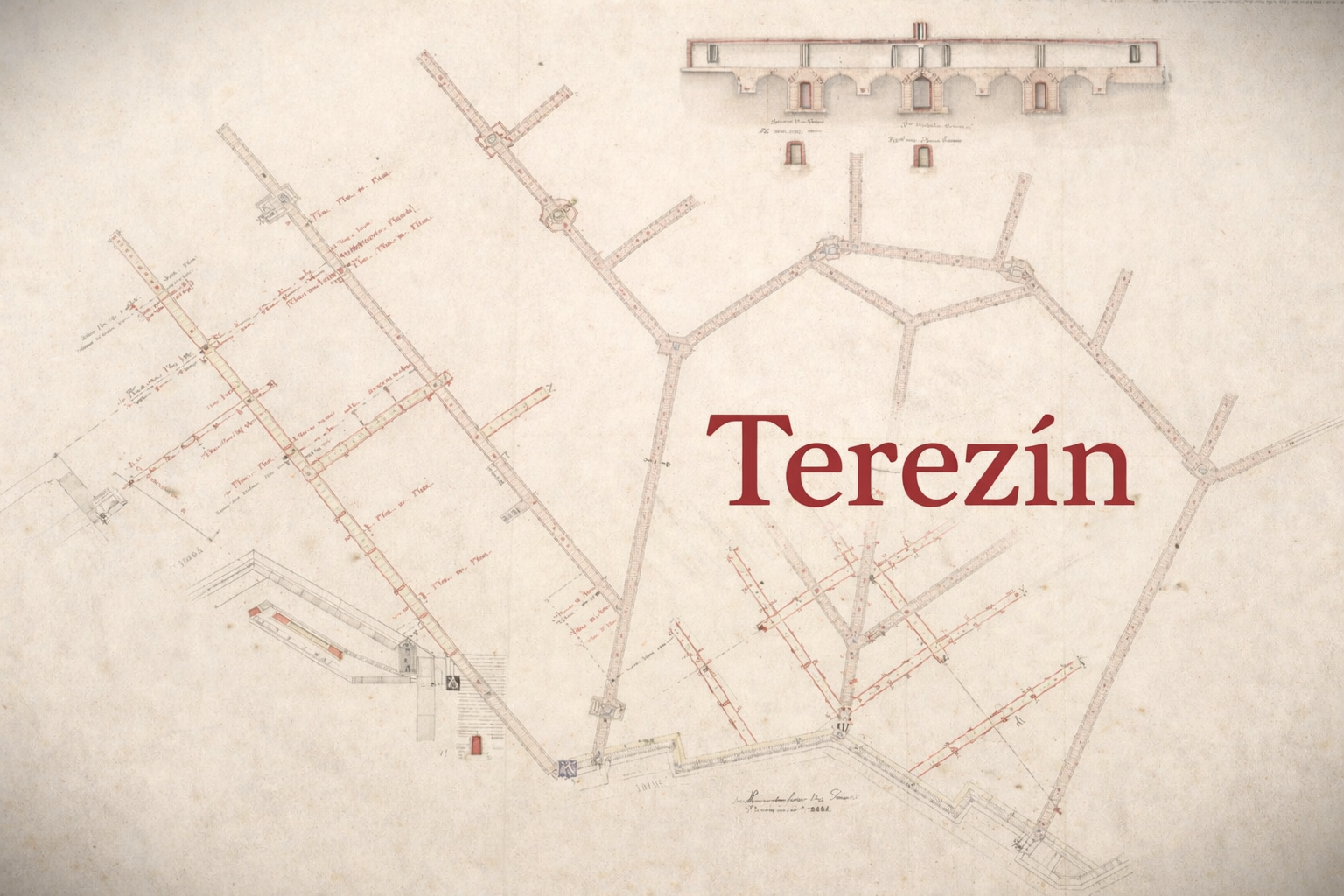
Die Geheimnisse des Theresienstädter Untergrunds sind gelüftet!
Unter der Festungsstadt Terezín (CZ) verbirgt sich eines der ausgeklügeltsten historischen Verteidigungssysteme Europas. Jüngste Forschungen haben eine detaillierte Kartierung dieses unterirdischen Netzwerks ermöglicht und dessen Komplexität sowie die technische Brillanz offenbart. Die Studie wurde im Rahmen eines vom tschechischen Kulturministerium geförderten Projekts durchgeführt und von Steinmetz Terezín 1780 geleitet, einer…
-
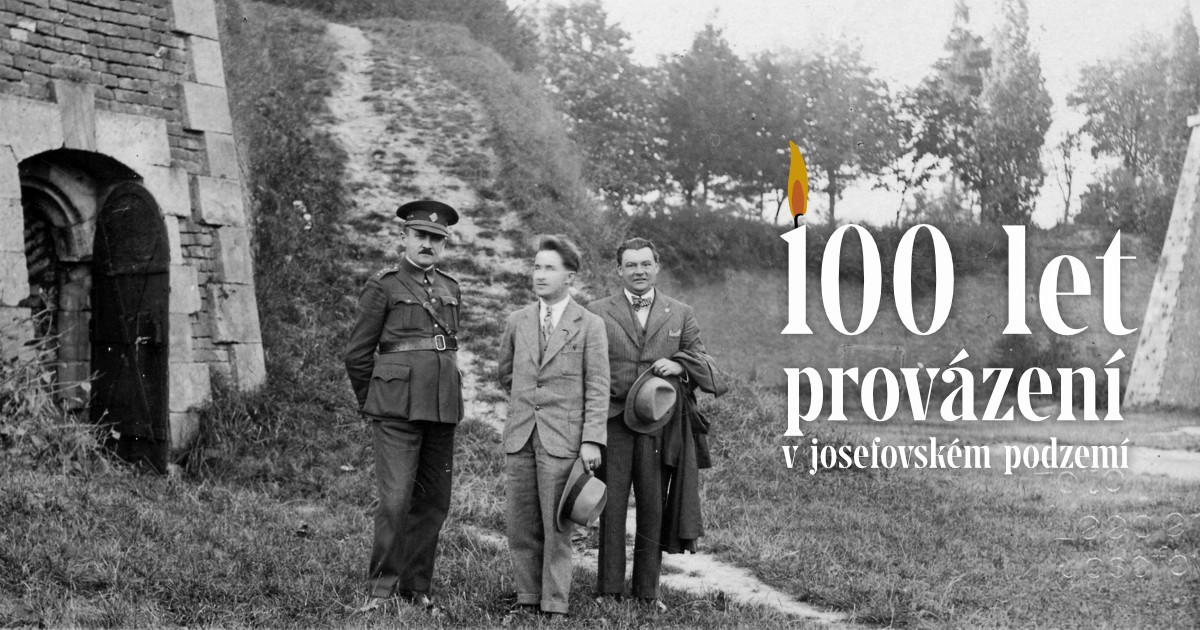
100 Jahre Führungen in der Josefov's Underground (CZ)
Im Jahr 2026 feiert Josefov stolz einen bemerkenswerten Meilenstein: 100 Jahre seit Beginn der ersten offiziellen Führungen durch die unterirdischen Gänge.
-
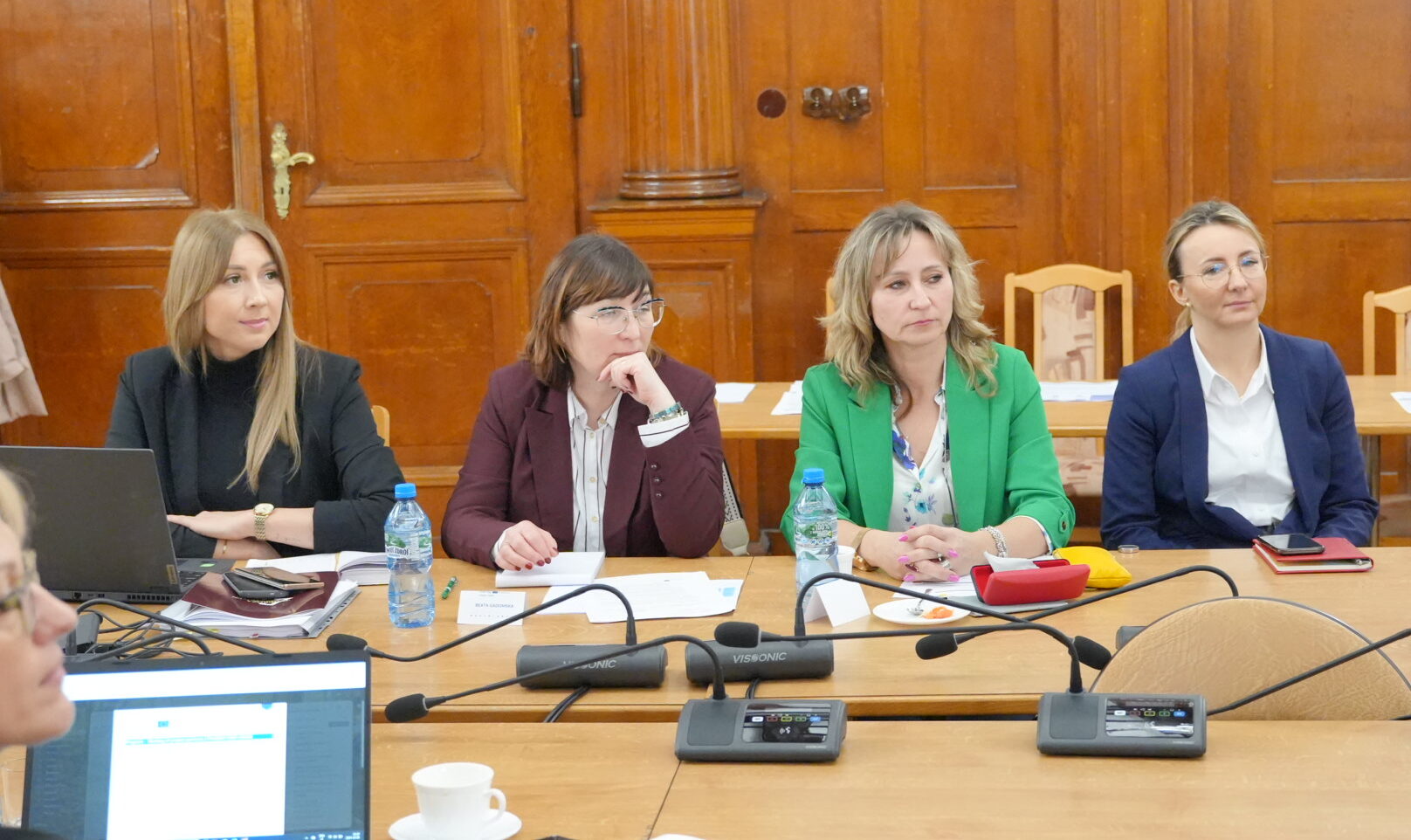
Giżycko (PL): LTPL00354 FORT-UNION - grenzüberschreitendes Interreg-Projekt
Das grenzüberschreitende Interreg-Projekt FORT-UNION wird von einer Koalition von Partnern durchgeführt: Gemeinde Giżycko, Stadtverwaltung Kaunas, Festungspark Kaunas, Armeemuseum in Białystok, Festung Boyen in Giżycko, Bezirksgemeinde Varėna und assoziierte Organisationen: Biebrza National Park und Varėna's Entrepreneurship Education Centre (unter anderem).
-
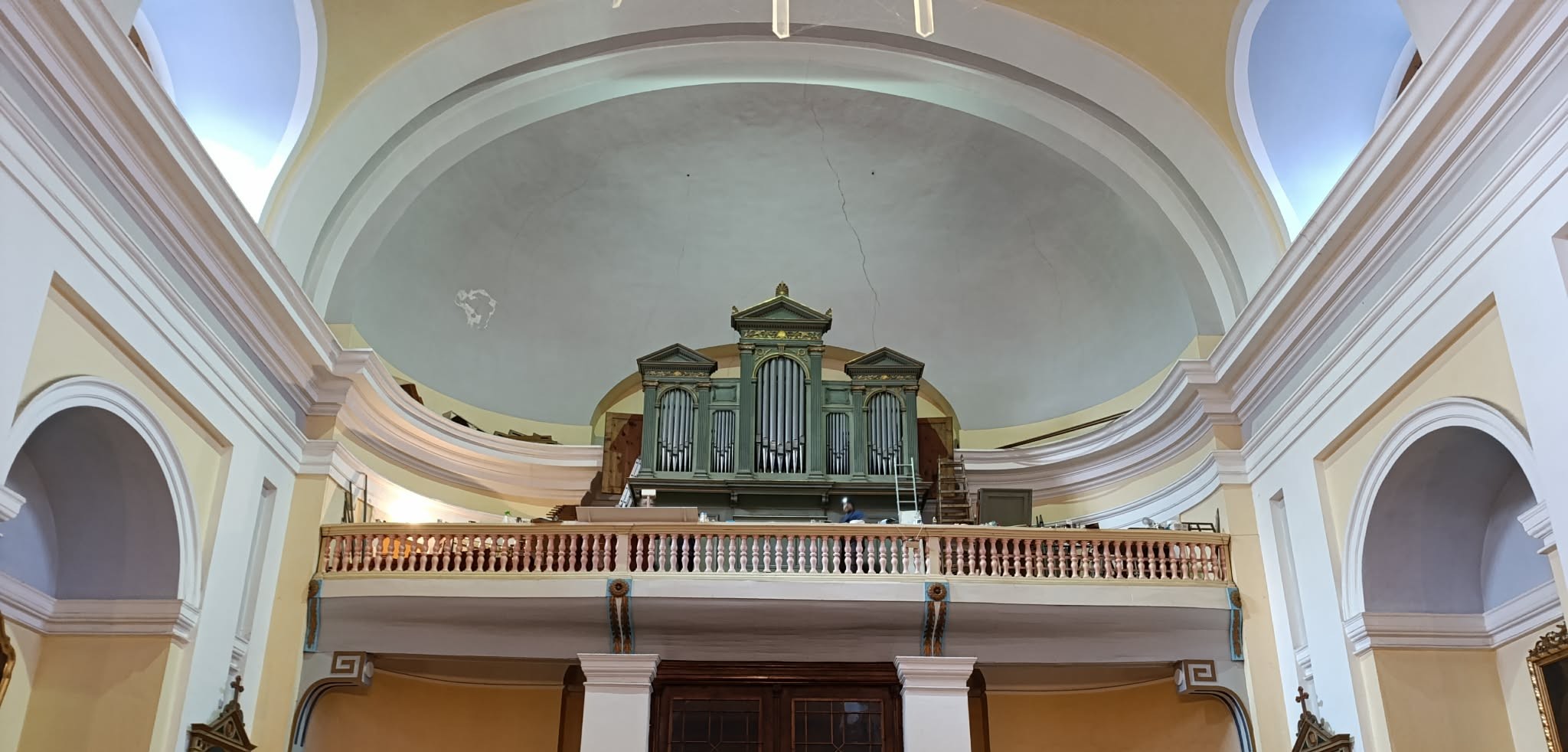
Weihnachtsgeschenk für Josefov (CZ): Restaurierung der Pfeifenorgel in der Festungskirche abgeschlossen
Nach zwei Jahren Arbeit wurde die Restaurierung der Pfeifenorgel in der Mariä-Himmelfahrt-Kirche in Josefov erfolgreich abgeschlossen. Das im Juli 2024 gestartete Projekt wurde im Rahmen eines Vertrags mit dem renommierten Orgelbauer Ivan Bok aus Krnov durchgeführt. Alle Restaurierungsarbeiten wurden unter vollständiger Berücksichtigung der kirchlichen…
-
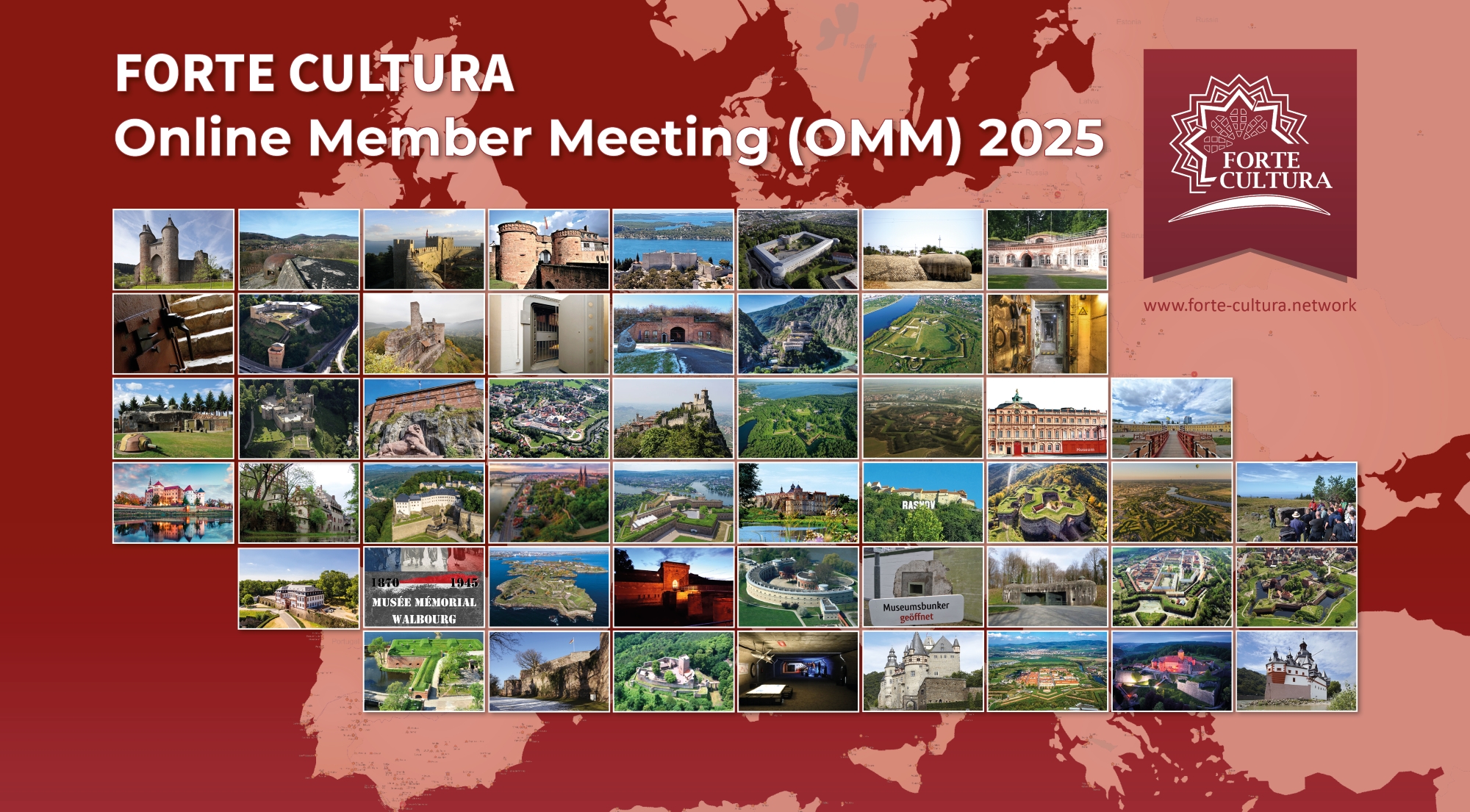
FORTE CULTURA Online-Mitgliederversammlung 2025
Austausch über Instrumente, Strategien und bewährte Verfahren Am 16. Dezember 2025 veranstaltete FORTE CULTURA sein jährliches Online-Mitgliedertreffen (OMM), bei dem Festungsmanager, Forscher und Partner aus ganz Europa zusammenkamen, um sich mit Kommunikationsinstrumenten, dem EICR-Zertifizierungsprozess und inspirierenden lokalen Projekten zu befassen. Referenten aus acht Ländern informierten sich gegenseitig über aktuelle Projekte und Aktivitäten in…
-

Demnächst: Neue Ausschreibung für URBACT IV-Aktionsplanungsnetzwerke (APN)
Im April 2026 wird im Rahmen des Programms URBACT IV eine neue Ausschreibung veröffentlicht, die möglicherweise Themen im Zusammenhang mit Festungen und Mitglieder von FORTE CULTURA und EFFORTS Europe einbezieht.
-
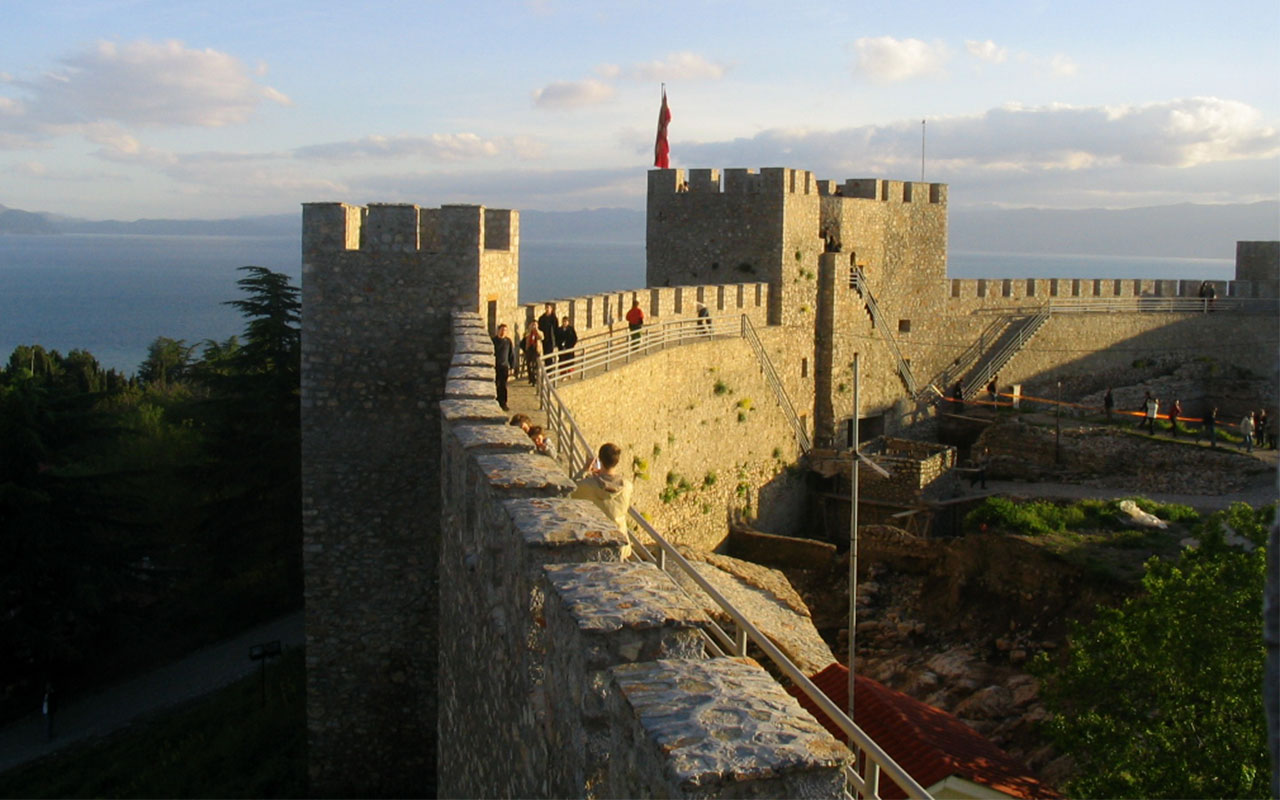
Ohrid (MK) gewinnt Živa Award 2025
Wir freuen uns, Ihnen mitteilen zu können, dass das Nationale Institut für den Schutz von Kulturdenkmälern und Museen - Ohrid (Mitglied von FORTE CULTURA) den prestigeträchtigen Živa Award 2025 für die “Beste slawische Kulturerbestätte” erhalten hat.
-
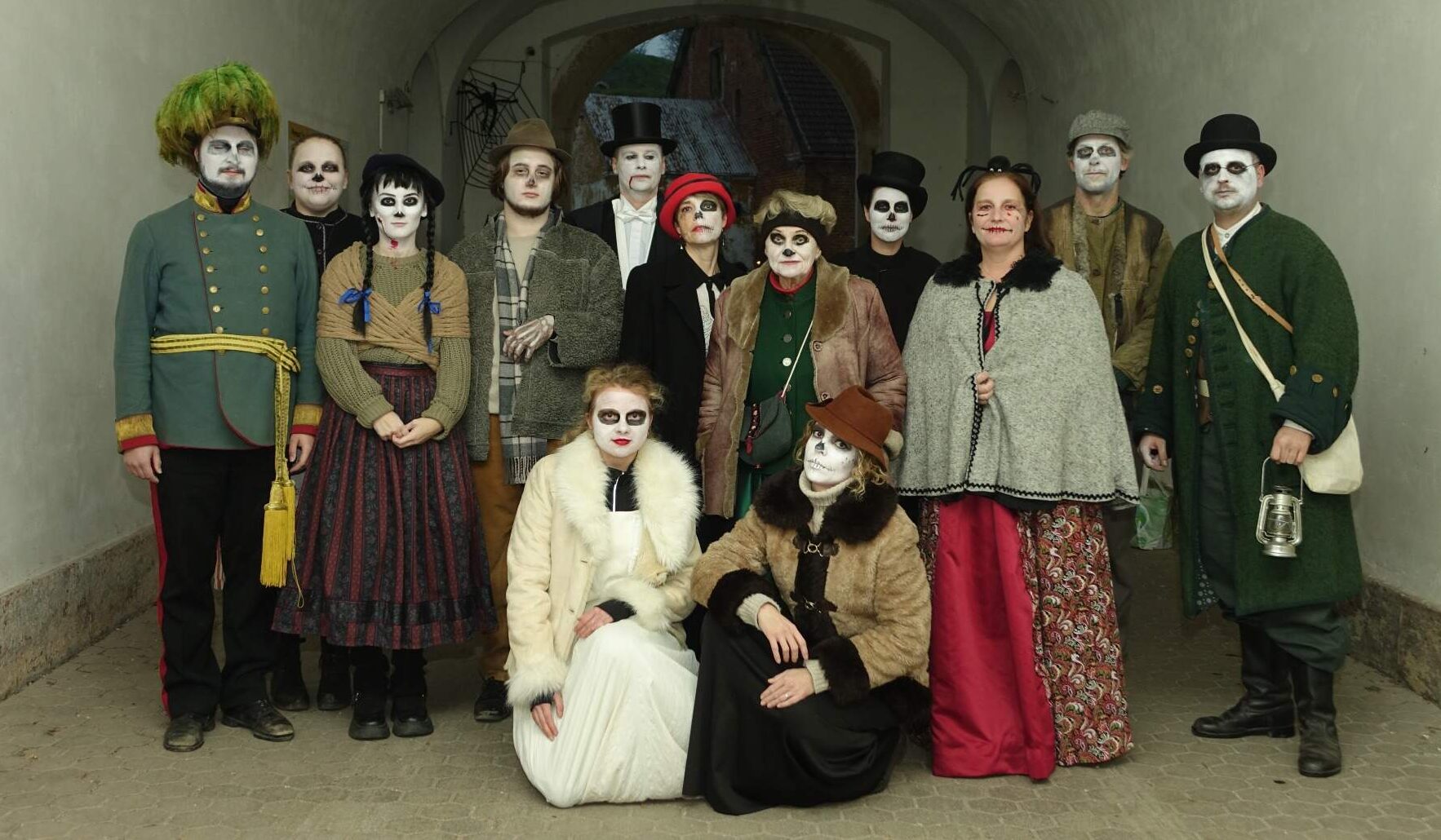
Dracula-Reise: Eine Fallstudie über eine familienorientierte Düstertourismusveranstaltung in Josefov (CZ)
Die Dracula-Reise ist eine der erfolgreichsten geschichtsorientierten Veranstaltungen, die in der befestigten Idealstadt Josefov (CZ) organisiert werden. Die Veranstaltung findet Anfang November statt und erstreckt sich über zwei Abende, an denen die gespenstischen und unheimlichen Gefühle, die mit dieser Zeit des Jahres verbunden sind, eingefangen werden.
-
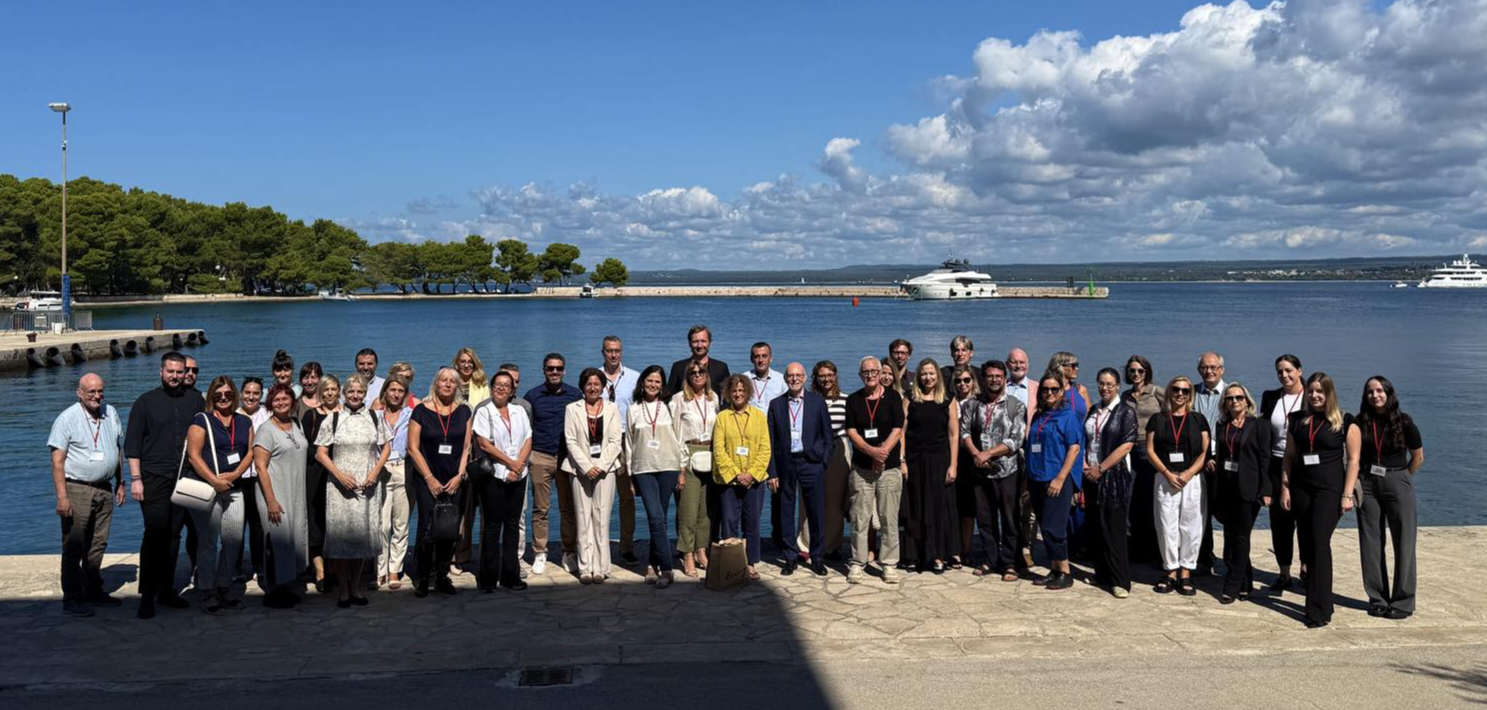
Wissenschaftliche FORTIC-Konferenz in Brijuni (HR): Stärkung der Kultur des Friedens durch befestigtes Erbe
Vom 15. bis 16. September 2025 diente der Nationalpark Brijuni in Kroatien als Kulisse für die internationale wissenschaftliche Konferenz mit dem Titel "Fortified Architecture for the Culture of Peace - European Best Practice in Fortified Heritage Management".
-
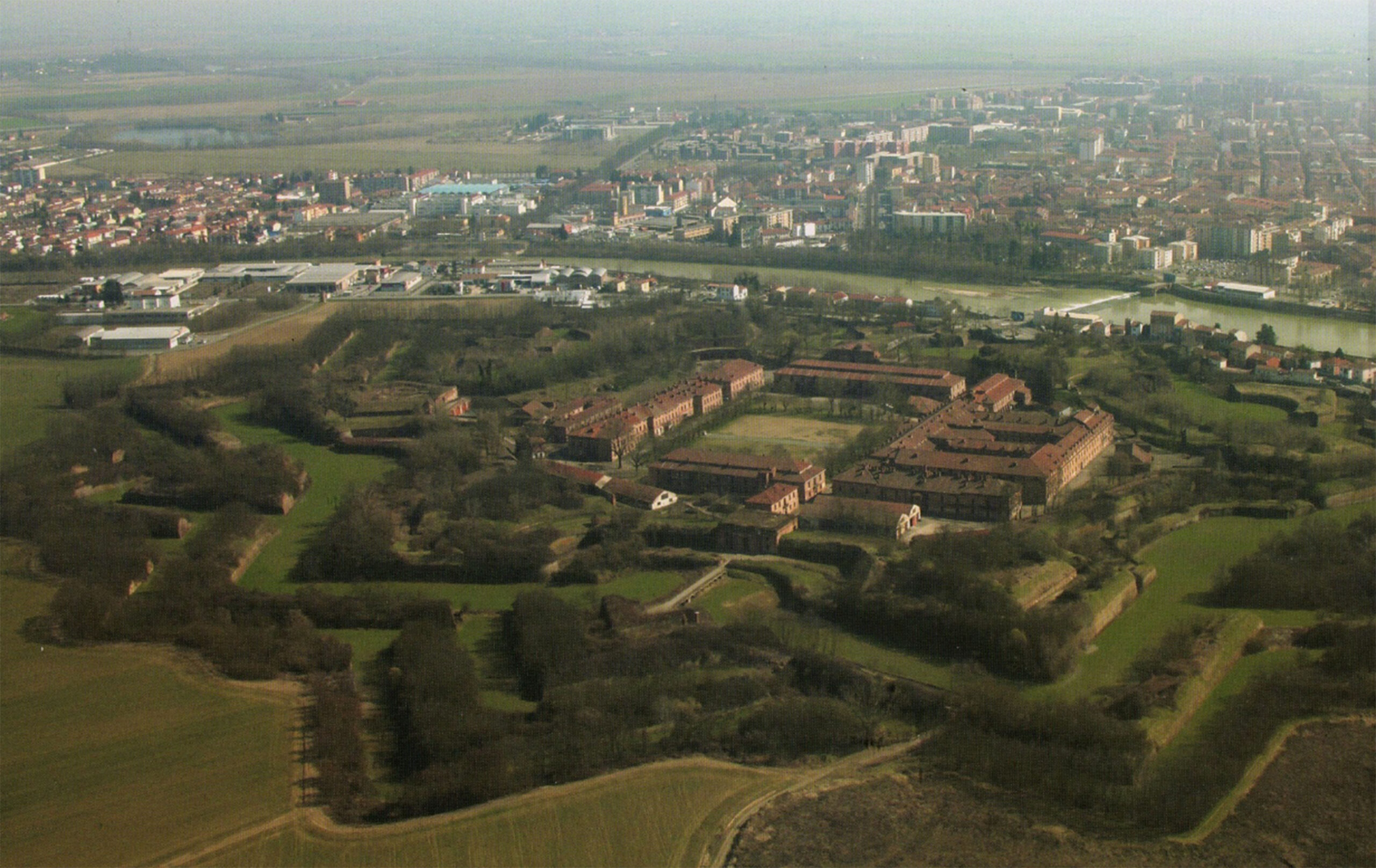
Alessandria (IT) wird sechste FORTE CULTURA Station in Italien
Die Zitadelle von Alessandria wurde nach dem Vertrag von Utrecht von Ignazio Bertola im Auftrag von Vittorio Amedeo II. von Savoyen entworfen. Sie wurde zwischen 1728 und 1732 von König Karl Emmanuel III. erbaut und sollte als Barriere an der alten spanischen Militärstraße zwischen Genua und Savona dienen sowie die Verteidigung unterstützen…
-
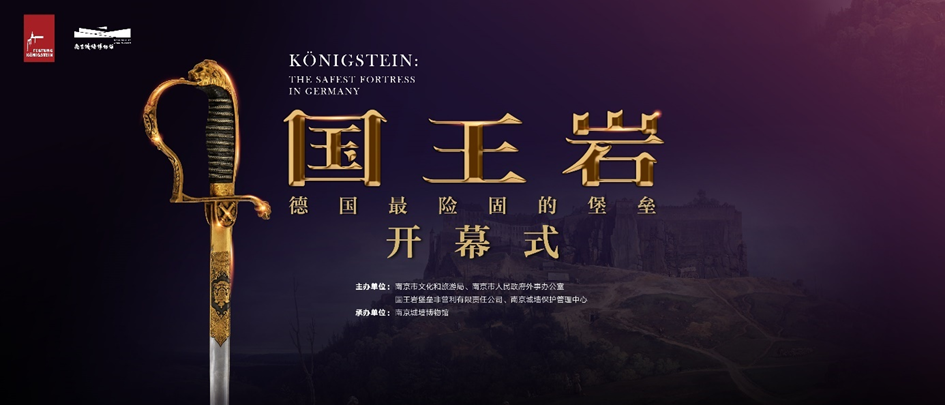
Die Festung Königstein (DE) als Kulturbotschafterin in China – unsere Ausstellung in Nanjing ist eröffnet!
Wir haben es geschafft! Am 21. Juni 2025 wurde unsere Ausstellung „Königstein: Die sicherste Festung Deutschlands“ feierlich im Stadtmauermuseum von Nanjing eröffnet – und wir waren mit einer kleinen Delegation vor Ort dabei.
-
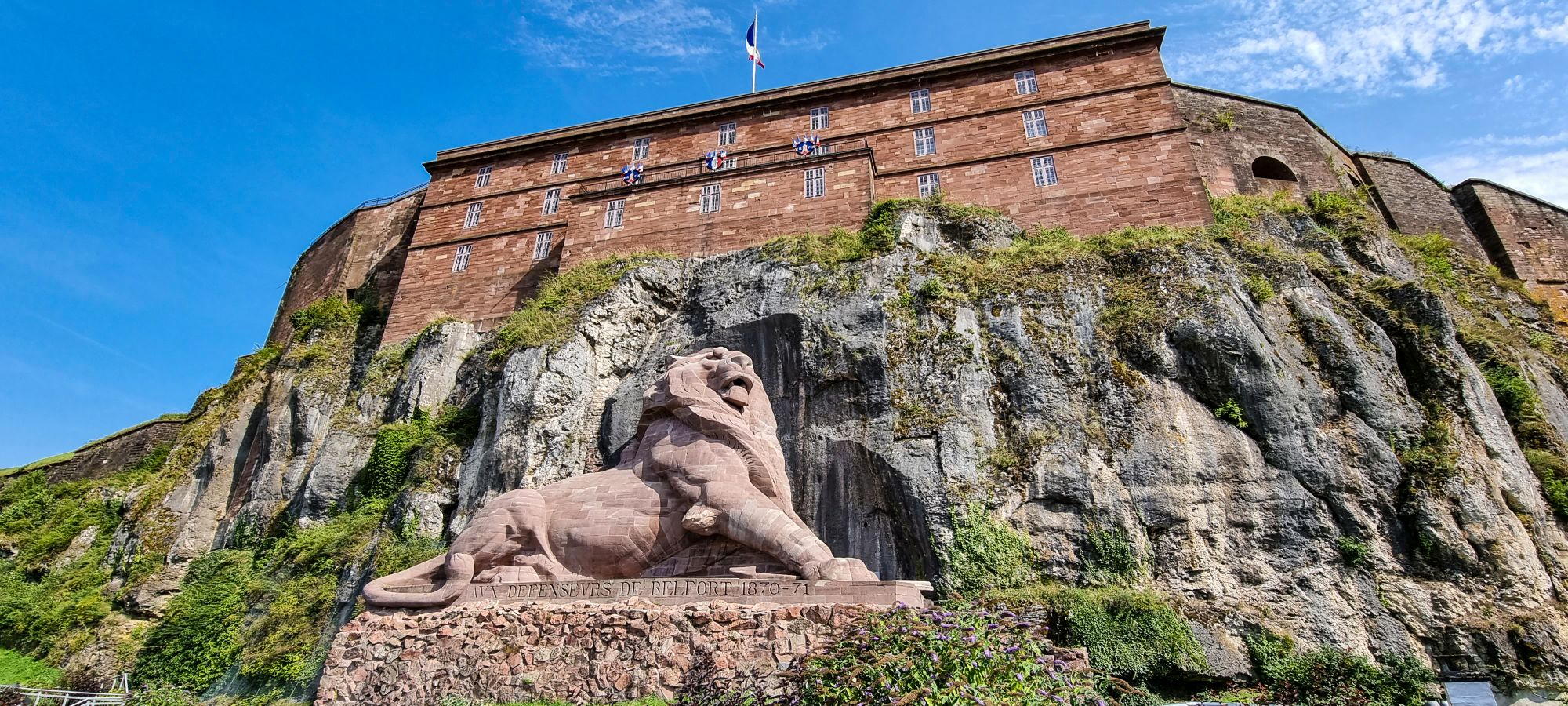
Belfort (FR): Festungssystem Belfort wird FORTE CULTURA Station in Frankreich
Belfort wurde ab 1687 nach den Plänen von Vauban befestigt und in der Folge erweitert. Die Festung spielte eine besonders wichtige Rolle bei der 103-tägigen Belagerung von Belfort im Jahr 1870/71, einer der letzten großen Schlachten des Deutsch-Französischen Krieges. Das Herzstück der Festung ist die Zitadelle von Belfort auf einem Felsvorsprung oberhalb der Altstadt, mit…
-

Rückblicke auf den Europäischen Festungssommer 2024: Oživlý Josefov (CZ) - Ein Blick in die europäische Geschichte
In der bezaubernden, befestigten Idealstadt Josefov wird Geschichte nicht nur in Erinnerung behalten – sie wird lebendig. Am 12. und 13. Juli 2024 versetzte „Josefov Alive“ (Oživlý Josefov) die Besucher zurück in die Blütezeit dieses militärischen Meisterwerks aus dem 18. Jahrhundert. Diese Veranstaltung bot den Besuchern die einmalige Gelegenheit, in das lebendige Erbe einer der bedeutendsten Festungen Europas einzutauchen,…
-

Grenzüberschreitendes Projekt zu 80 Jahre Ende des Zweiten Weltkriegs in der Oder-Warta-Region (DE-PL)
von Dirk Röder Kleinprojektefonds (KPF) 2021–2027 Die Entwicklung und Einrichtung des “Geschichtspfads Kriegsereignisse 1945” wurde im Rahmen des Projekts “Gemeinsam gedenken – 80 Jahre Ende des Zweiten Weltkriegs 2025” im Rahmen des Kleinprojektefonds (KPF) 2021–2027 der Euroregion PRO EUROPA VIADRINA…
-

FORTE CULTURA Kongress 2025 in Forte di Bard (IT)
Kulturelles Erbe und Kreativität für nachhaltigen und integrativen Tourismus in befestigten Monumenten; 26. bis 29. März 2025, Fort di Bard (IT). Europa steht vor großen Herausforderungen in Bezug auf Nachhaltigkeit, Identität und soziales Engagement...
-

Forte di Bard (IT): Generalversammlung wählt neuen Präsidenten von FORTE CULTURA
Dirk Röder (links) gratuliert Filippo Cailotto zu seiner neuen Position als Präsident von FORTE CULTURA. Die FORTE CULTURA-Generalversammlung 2025 fand am 27. März 2025 in der Festung Forte di Bard (IT) statt. Insgesamt nahmen 48 Teilnehmer aus 11 Ländern vor Ort teil, während weitere Mitglieder den professionellen Online-Stream verfolgten. Der Kern…
-

Die adaptive Wiederverwendung von befestigtem Kulturerbe - Die Werte, auf die es ankommt
Am Beispiel der Fallstudie „Fort St. Elmo“ von John Ebejer: Es gibt verschiedene Ansätze zur Erhaltung des baulichen Kulturerbes, und die adaptive Umnutzung ist einer davon. Unter adaptiver Umnutzung versteht man jede Maßnahme, die die bauliche Substanz und den historischen Wert eines historischen Gebäudes bewahrt und dem Gebäude gleichzeitig eine neue Nutzung ermöglicht…
-

Kreativtourismus trifft auf das Neue Europäische Bauhaus: eine gemeinsame Vision für das gefestigte Kulturerbe
Die NEB bietet Festungsmanagern, politischen Entscheidungsträgern und kulturellen Organisationen eine einzigartige Gelegenheit, die Erhaltung des kulturellen Erbes mit
-

Das neue europäische Bauhaus und die Festungen: Wie das Erbe eine nachhaltige Zukunft gestalten kann
von Filippo M. Cailotto, Die NEB bietet Festungsmanagern, politischen Entscheidungsträgern und kulturellen Organisationen eine einzigartige Möglichkeit, die Erhaltung des kulturellen Erbes mit ...
-

Krakau (PL): FORTE CULTURA trifft auf die Route der Befreiung Europas und ein außergewöhnliches Festungserbe
von Dirk Röder (Titelbild: XEvansGambitx) Partner und Experten zur Geschichte des Endes des Zweiten Weltkriegs trafen sich in Krakau (PL) anlässlich des Jahreskongresses 2025 der „Liberation Route Europe“ (LRE). Mit dem Krakauer Ghetto und dem nahegelegenen Konzentrationslager Auschwitz ist die Stadt für viele Menschen von großer Bedeutung…
-

Valle Sabbia (IT): Festung Rocca d'Anfo wird zur FORTE CULTURA Station am Idrosee
Im Februar 2025 trat Giovanmaria Flocchini, Präsidentin der Berggemeinde Valle Sabbia, dem Netzwerk FORTE CULTURA bei. Ziel ist es, die Bergfestung für den Tourismus weiter zu entwickeln und aufzuwerten...
 English (UK)
  Deutsch
  Français
  Italiano
  Polski
  Español