Kategoria: Lokalizacje
-
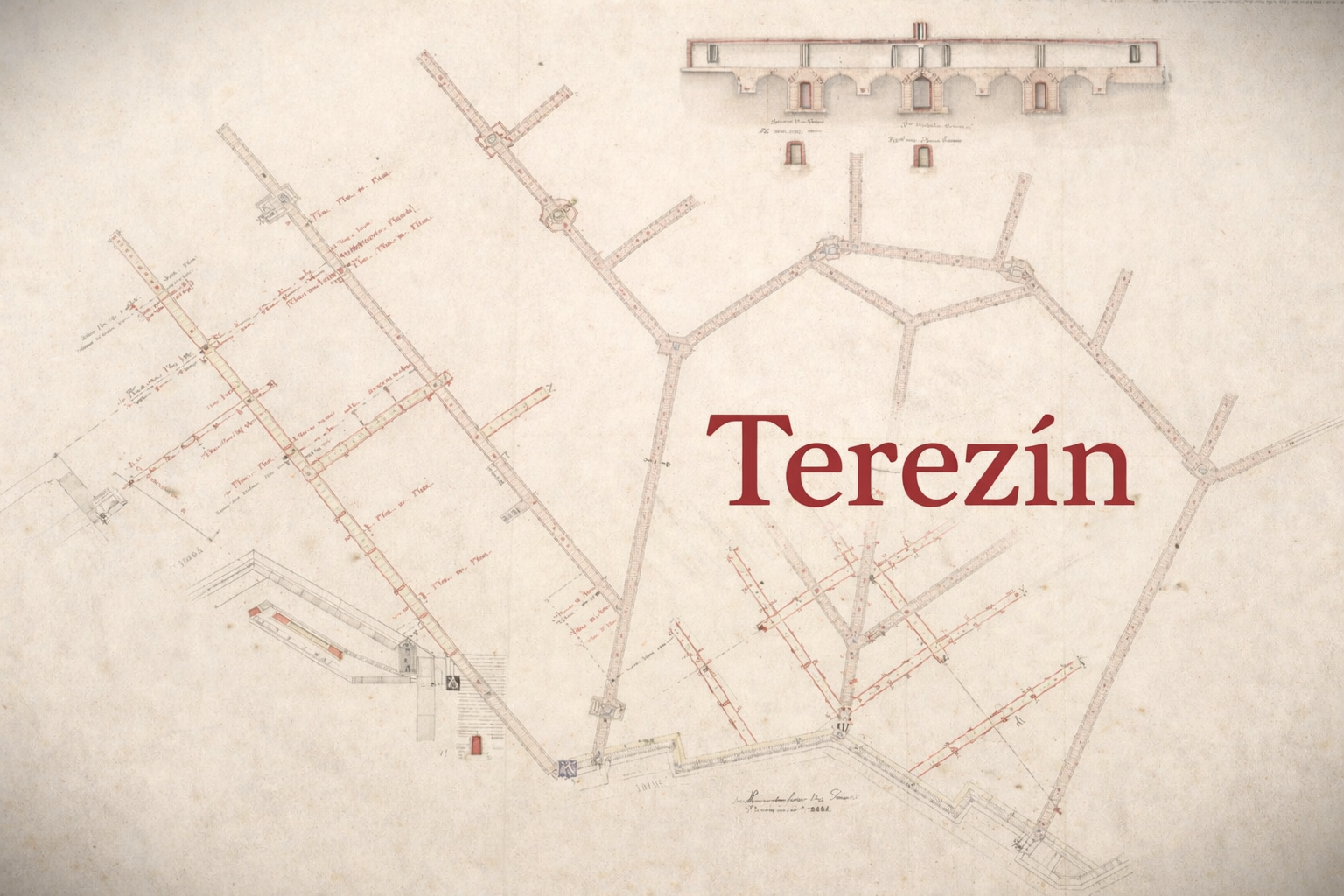
Tajemnice podziemi Terezina ujawnione!
Pod ufortyfikowanym miastem Terezín (CZ) znajduje się jeden z najbardziej zaawansowanych historycznych systemów obronnych w Europie. Najnowsze badania pozwoliły na szczegółowe sporządzenie mapy tej podziemnej sieci, ujawniając jej złożoność i inżynieryjną doskonałość. Badania przeprowadzono w ramach projektu wspieranego przez czeskie Ministerstwo Kultury i kierowanego przez organizację Steinmetz Terezín 1780, która…
-
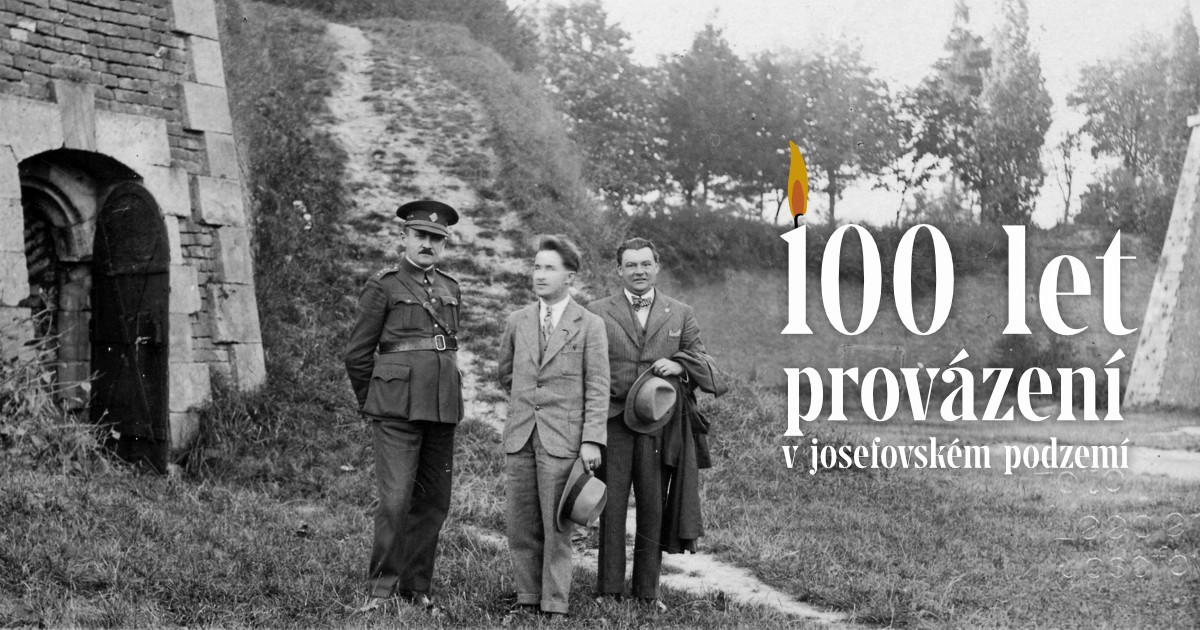
Obchody 100-lecia wycieczek z przewodnikiem po podziemiach Josefova (CZ)
W 2026 roku Josefov z dumą świętuje niezwykły kamień milowy: 100 lat od rozpoczęcia pierwszych oficjalnych wycieczek z przewodnikiem po podziemnych korytarzach.
-
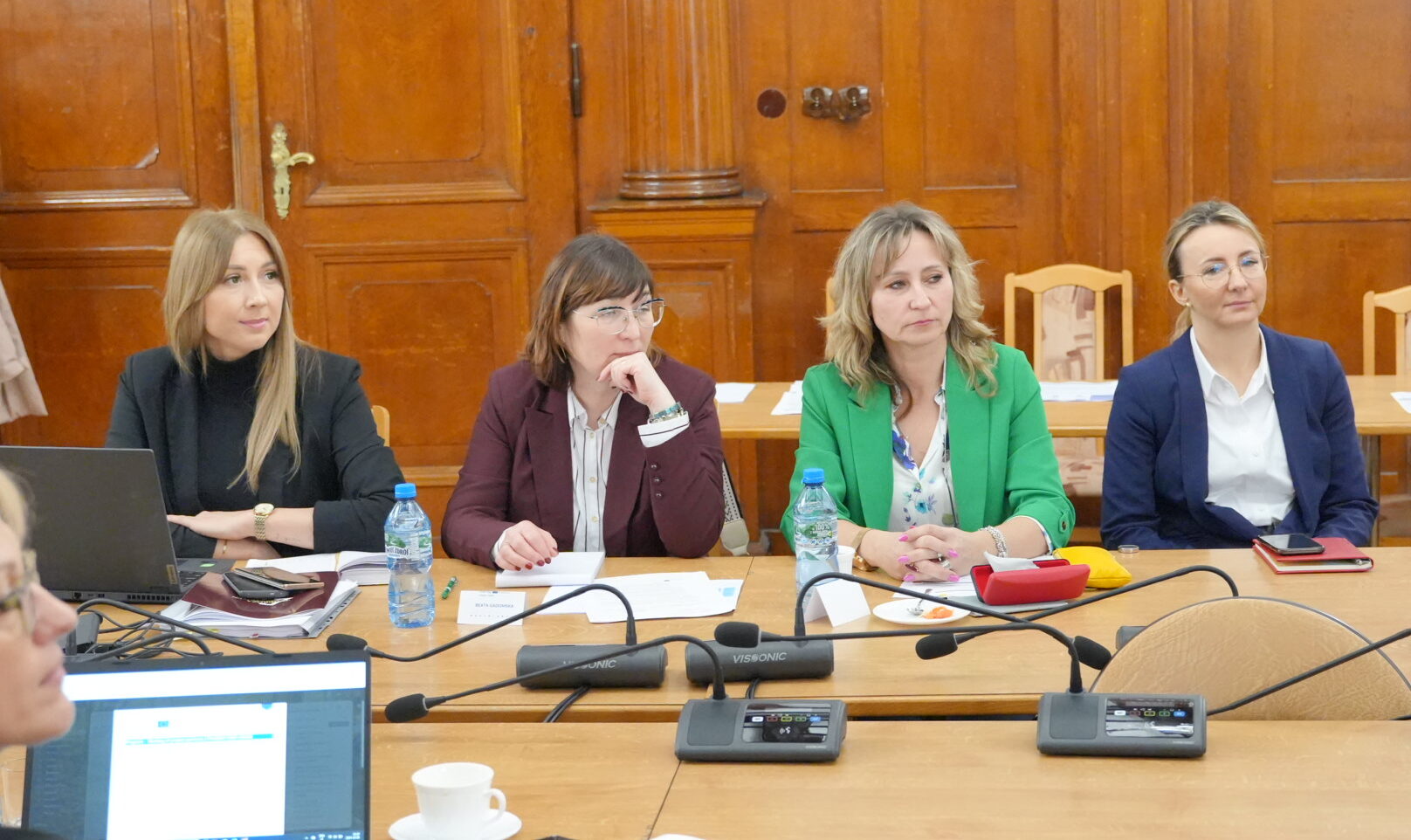
Giżycko (PL): LTPL00354 FORT-UNION - transgraniczny projekt międzyregionalny
Transgraniczny projekt interreg FORT-UNION jest realizowany przez koalicję partnerów: Gmina Miejska Giżycko, Administracja Miejska Kowna, Park Twierdzy Kowno, Muzeum Wojska w Białymstoku, Twierdza Boyen w Giżycku, Gmina Rejonowa Warėna oraz organizacje stowarzyszone: Biebrzański Park Narodowy i Warneńskie Centrum Edukacji Przedsiębiorczości (między innymi).
-
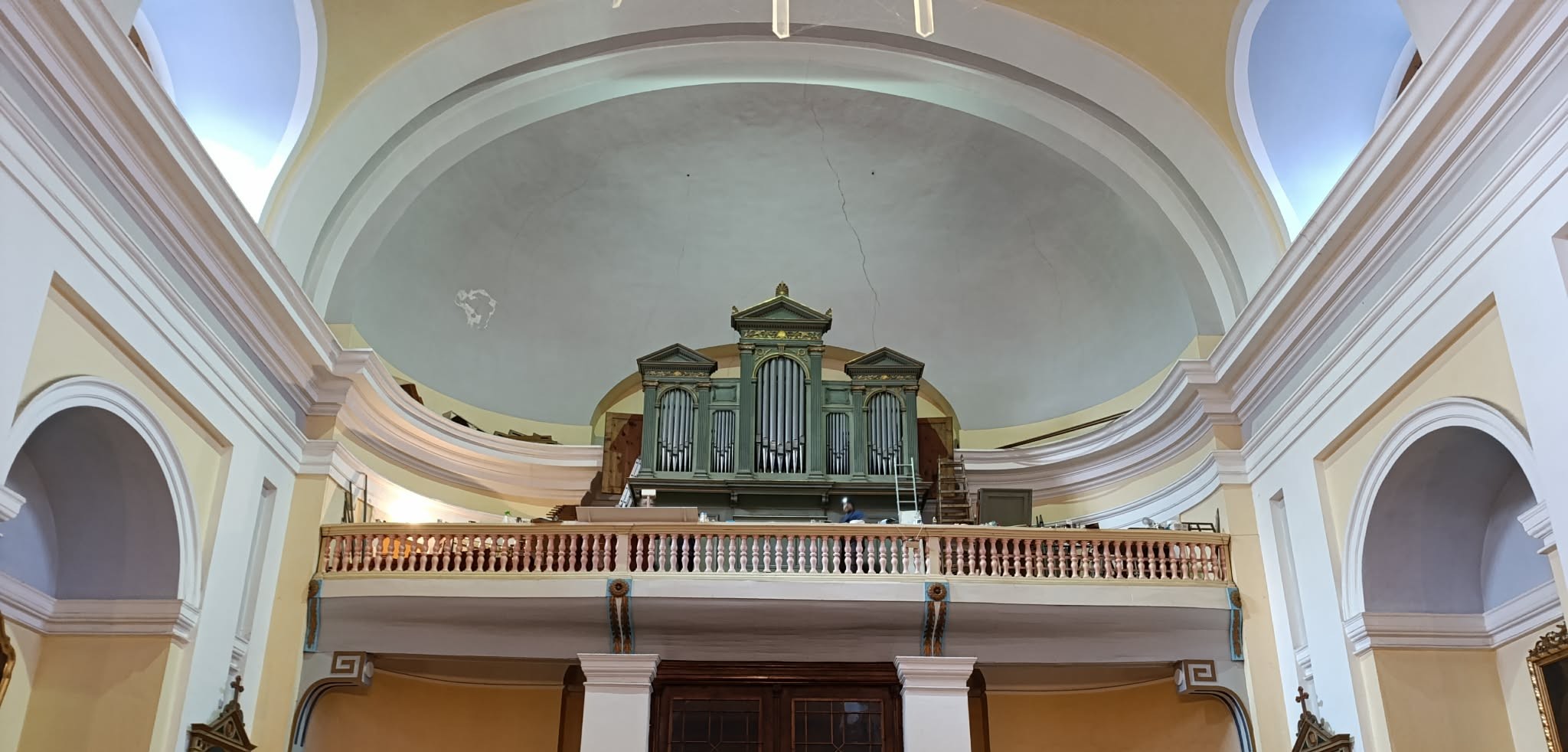
Prezent świąteczny dla Josefova (CZ): zakończono renowację organów w kościele twierdzy
Po dwóch latach prac zakończono renowację organów w kościele Wniebowzięcia Najświętszej Maryi Panny w Josefovie. Projekt, rozpoczęty w lipcu 2024 r., został zrealizowany na podstawie umowy z renomowanym organmistrzem Ivanem Bokiem z Krnova. Wszystkie prace renowacyjne zostały przeprowadzone z pełnym poszanowaniem charakteru kościoła...
-
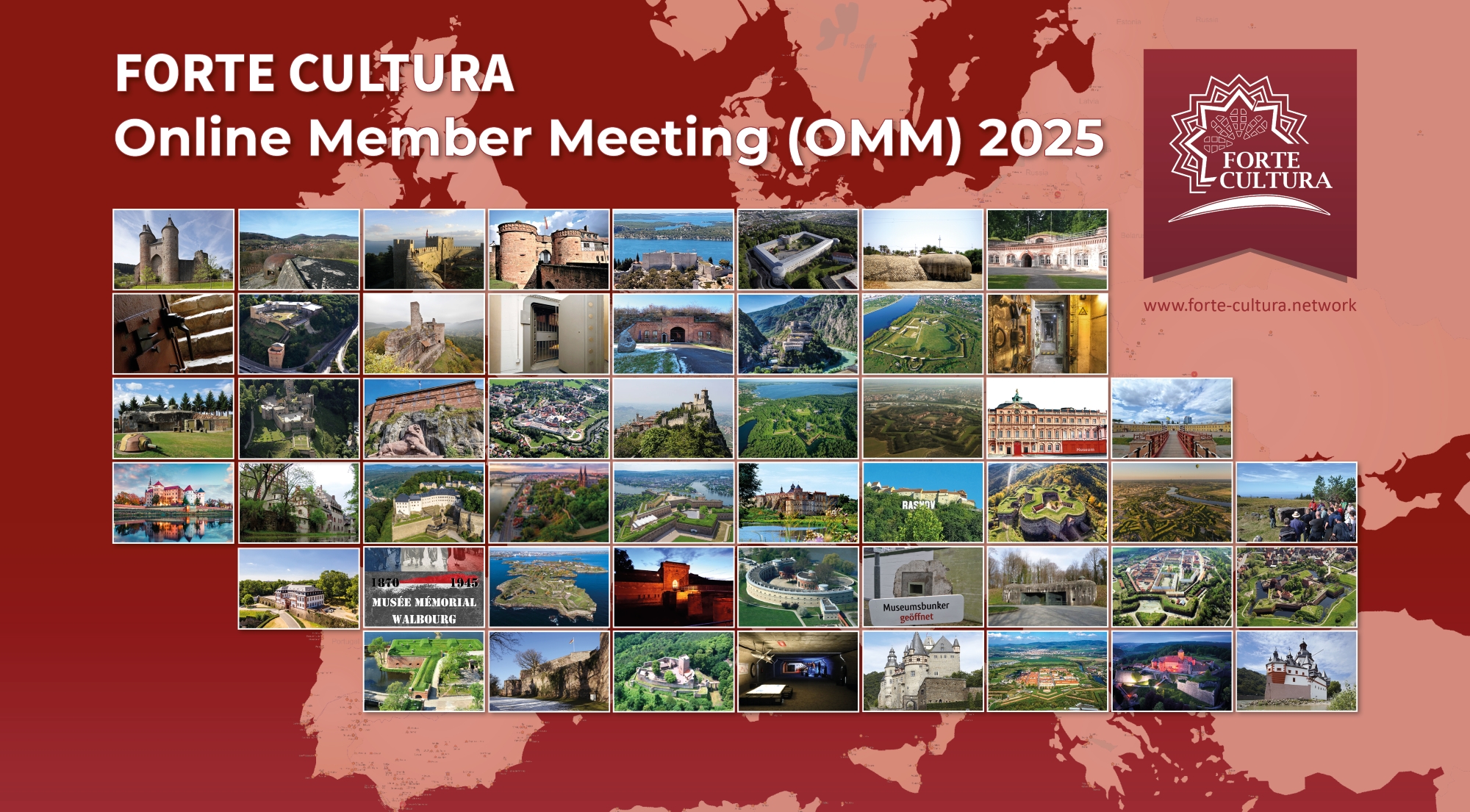
Spotkanie członków FORTE CULTURA Online 2025
Wymiana narzędzi, strategii i dobrych praktyk 16 grudnia 2025 r. organizacja FORTE CULTURA zorganizowała coroczne spotkanie członków online (OMM), które zgromadziło zarządców twierdz, badaczy i partnerów z całej Europy, aby omówić narzędzia komunikacyjne, proces certyfikacji EICR oraz inspirujące projekty lokalne. Prelegenci z 8 krajów informowali się nawzajem o bieżących projektach i działaniach w…
-

Wkrótce: nowe zaproszenie do składania wniosków w ramach sieci planowania działań (APN) URBACT IV
W kwietniu 2026 r. zostanie ogłoszone nowe zaproszenie do składania wniosków w ramach programu URBACT IV, które może obejmować tematy związane z fortecami oraz członków FORTE CULTURA i EFFORTS Europe.
-
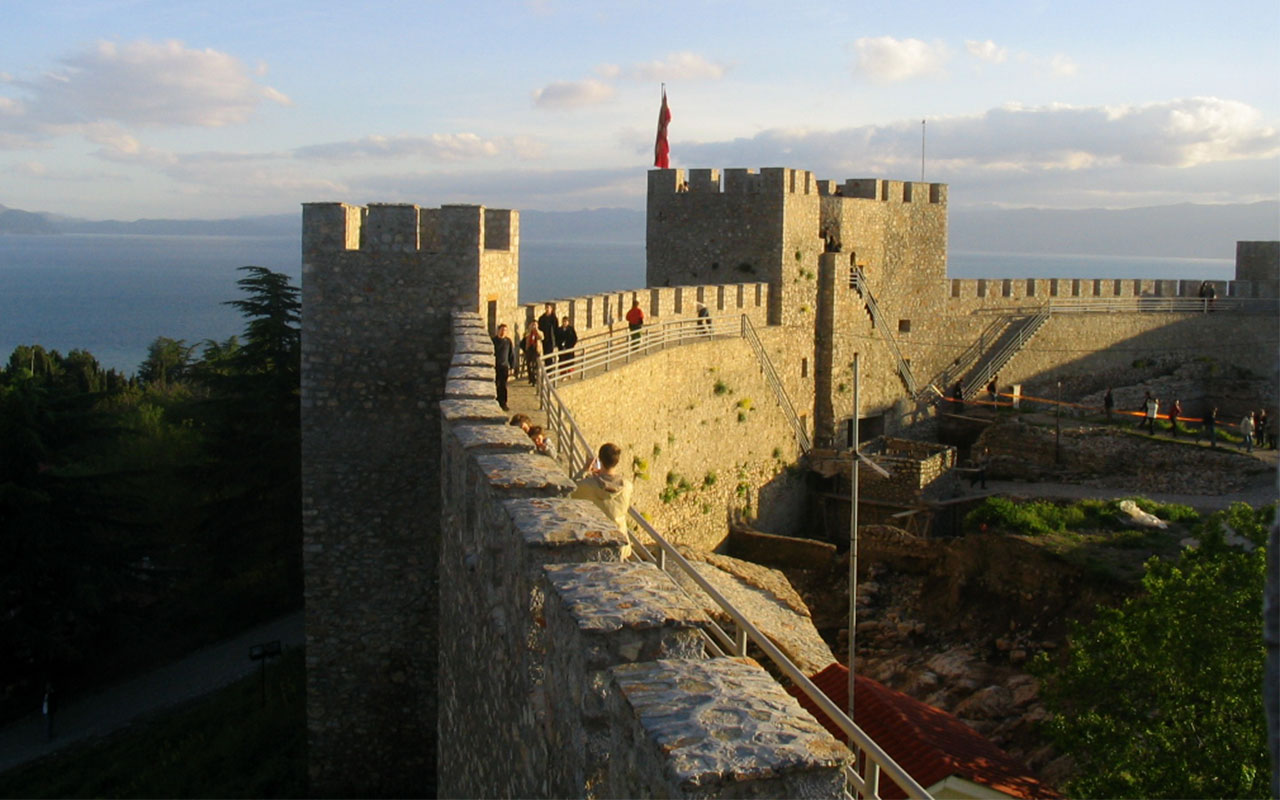
Ochryda (MK) zdobywa nagrodę Živa Award 2025
Z przyjemnością informujemy, że Narodowy Instytut Ochrony Zabytków Kultury i Muzeum w Ochrydzie (członek FORTE CULTURA) został laureatem prestiżowej nagrody Živa 2025 za “Najlepszy obiekt dziedzictwa słowiańskiego”.
-
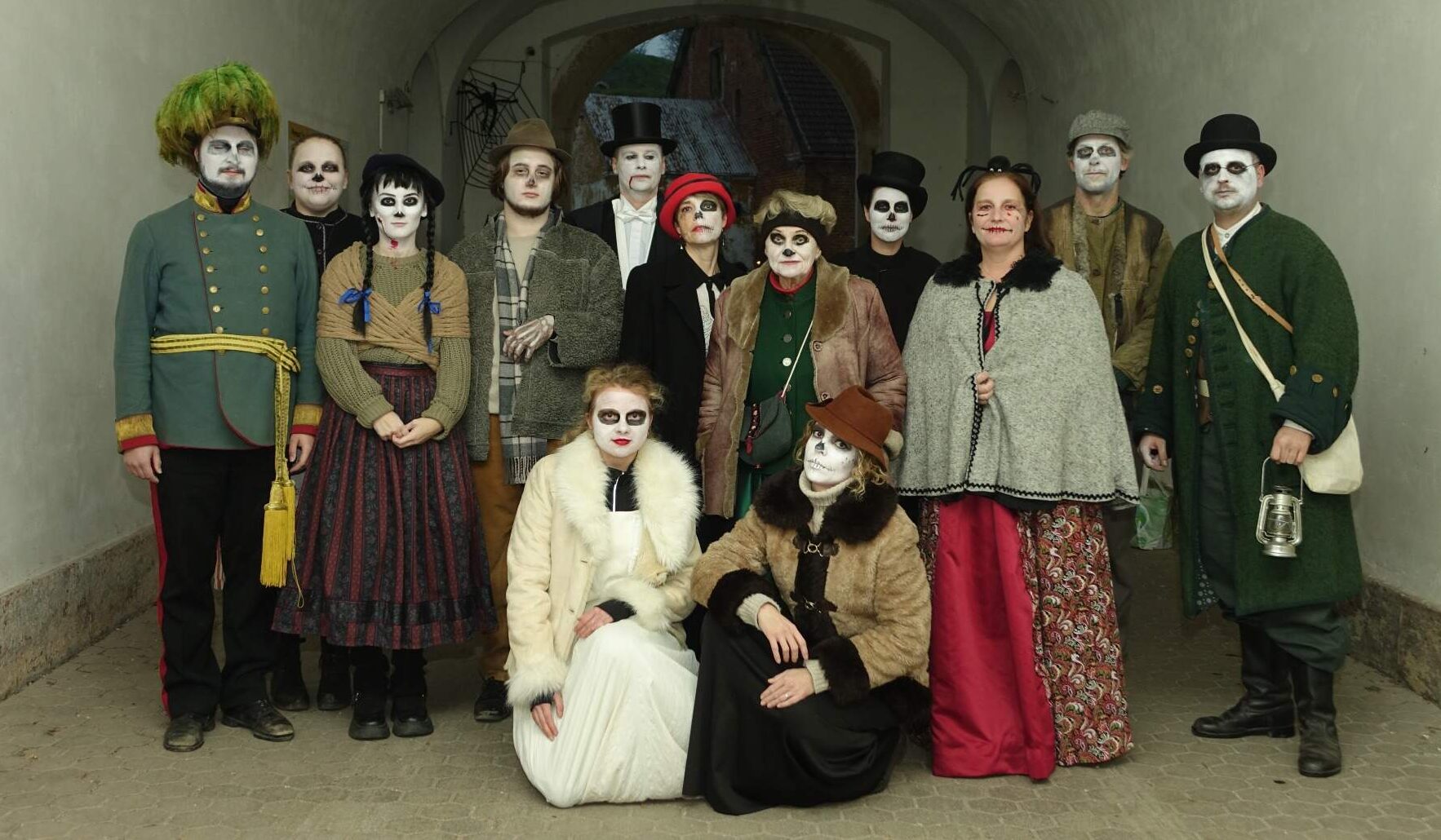
Podróż Drakuli: Studium przypadku rodzinnego wydarzenia mrocznej turystyki w Josefovie (CZ)
Dracula Journey to jedna z najbardziej udanych imprez historycznych organizowanych w ufortyfikowanym, idealnym mieście Josefov (CZ). Wydarzenie odbywa się na początku listopada i obejmuje dwa wieczory, oddając upiorne i niesamowite emocje związane z tą porą roku.
-
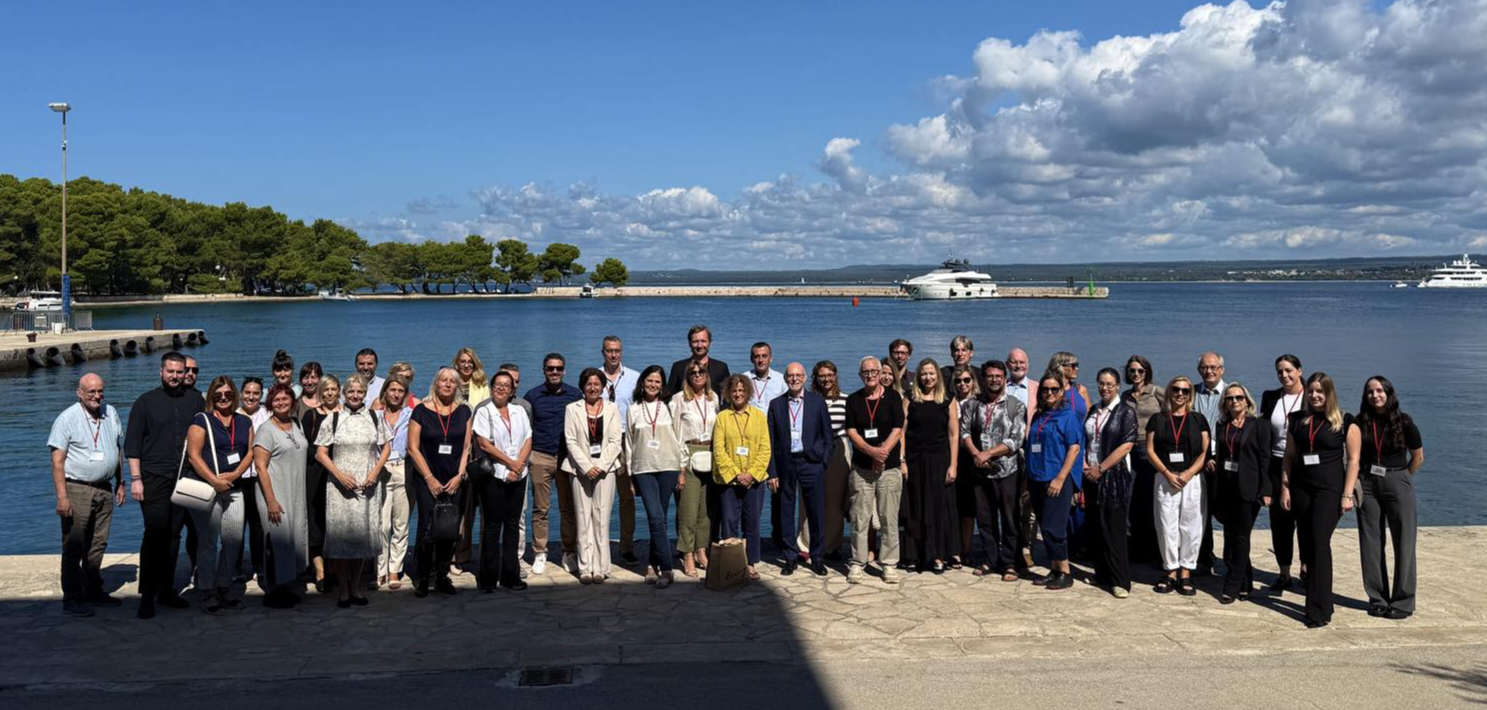
Konferencja naukowa FORTIC w Brijuni (HR): Wzmacnianie kultury pokoju poprzez dziedzictwo fortyfikacyjne
W dniach 15-16 września 2025 r. Park Narodowy Brijuni w Chorwacji posłużył jako tło dla międzynarodowej konferencji naukowej zatytułowanej "Architektura warowna dla kultury pokoju - najlepsze europejskie praktyki w zarządzaniu dziedzictwem warownym".
-
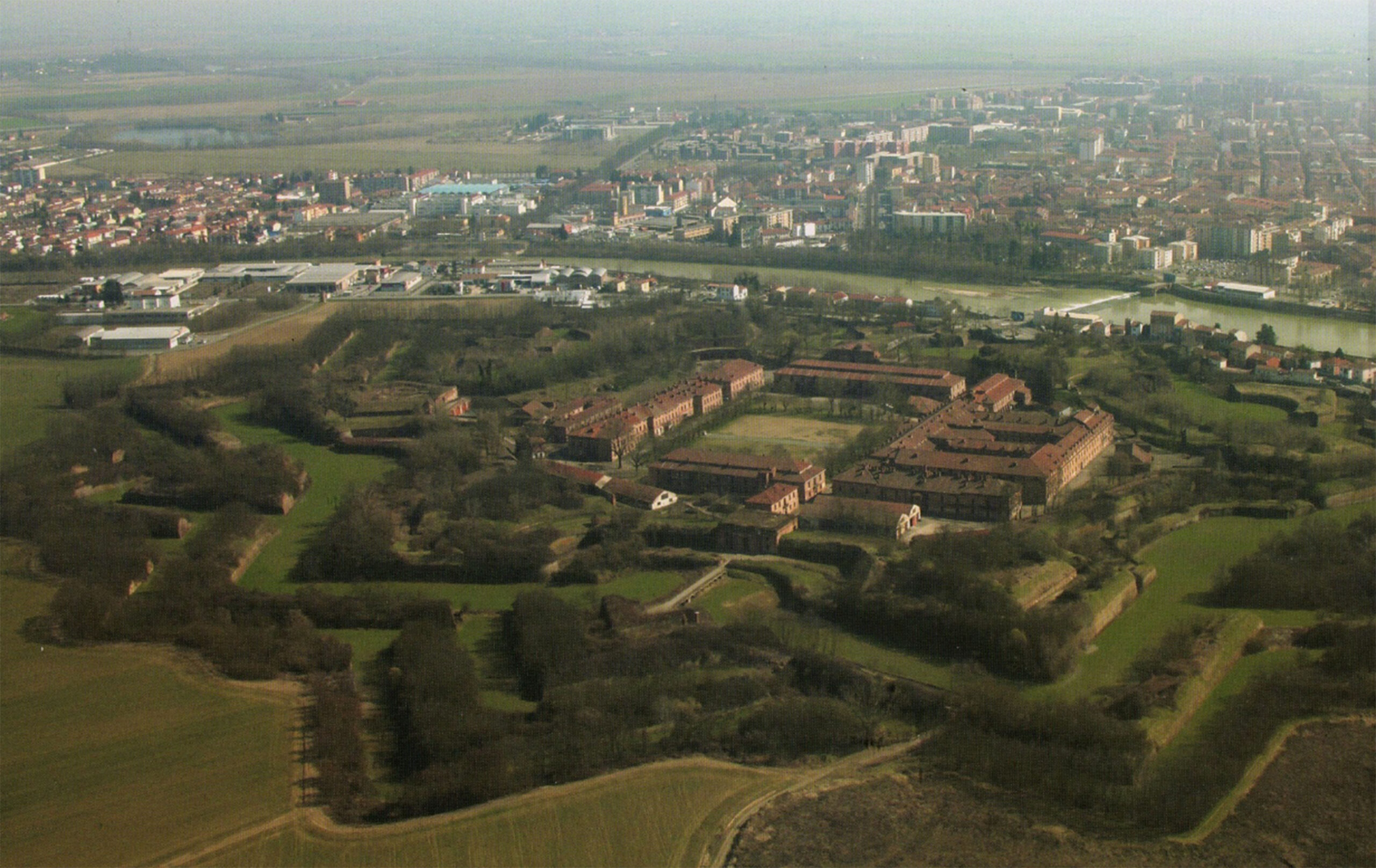
Alessandria (IT) staje się szóstą stacją FORTE CULTURA we Włoszech
Cytadela w Alessandrii została zaprojektowana przez Ignazio Bertolę na zlecenie Wiktora Amadeusza II z Sabaudii po podpisaniu traktatu w Utrechcie. Zbudowana w latach 1728–1732 przez króla Karola Emanuela III miała służyć jako bariera na starej hiszpańskiej drodze wojskowej między Genuą a Savoną oraz wspierać obronę…
-
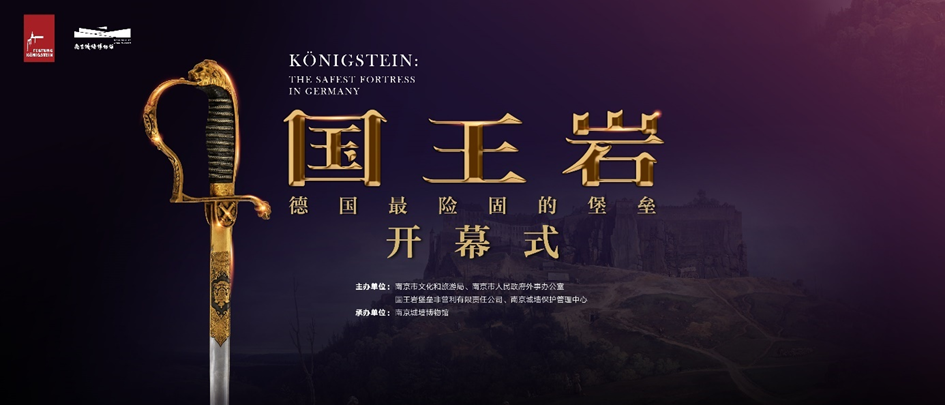
Twierdza Königstein (DE) jako ambasador kultury w Chinach - nasza wystawa w Nankinie została otwarta!
Udało się! 21 czerwca 2025 r. nasza wystawa "Königstein: Najbezpieczniejsza twierdza Niemiec" została uroczyście otwarta w Muzeum Murów Miejskich w Nankinie - byliśmy tam obecni z niewielką delegacją.
-
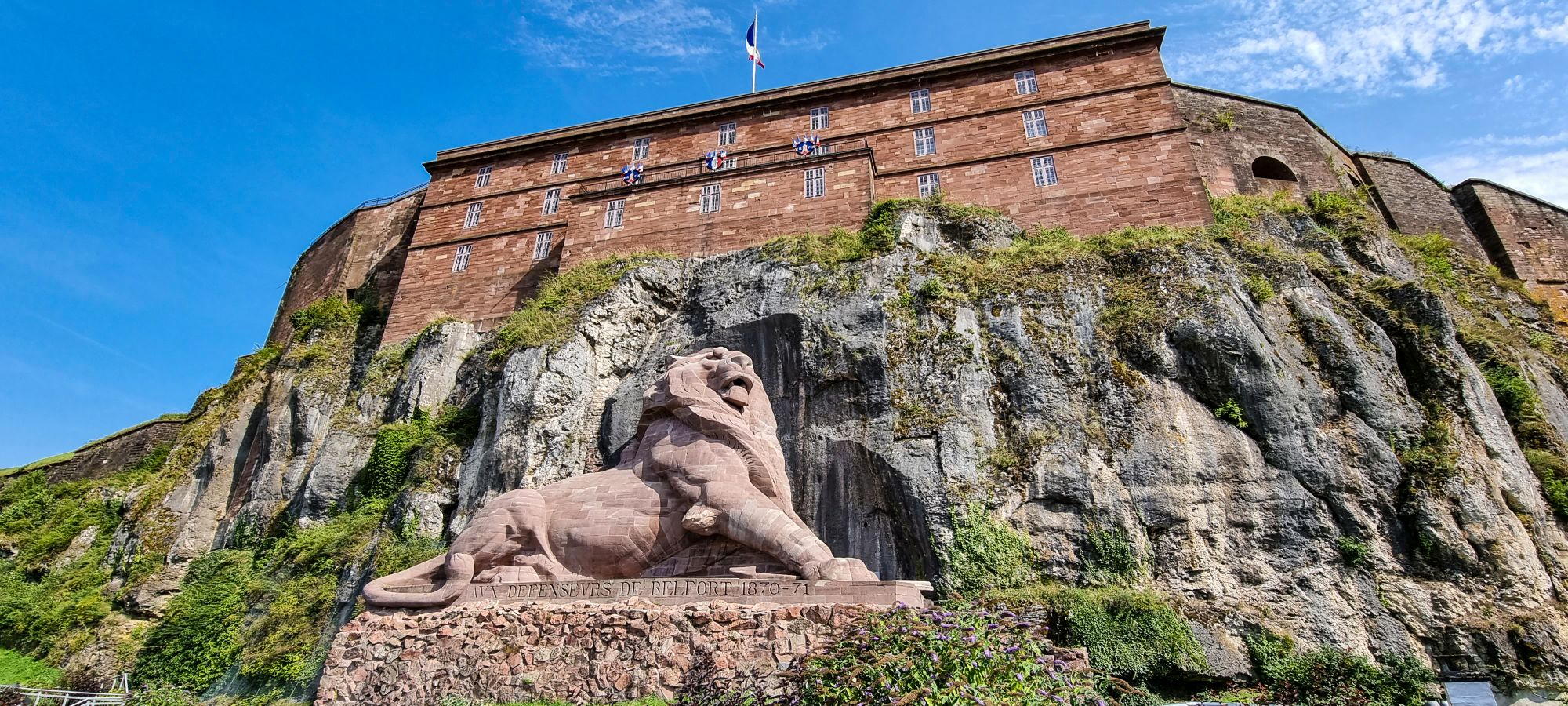
Belfort (FR): Twierdza Belfort staje się stacją FORTE CULTURA we Francji.
Belfort został ufortyfikowany od 1687 roku zgodnie z planami Vaubana, a następnie rozbudowany. Twierdza odegrała szczególnie ważną rolę podczas 103-dniowego oblężenia Belfortu w latach 1870–1871, jednej z ostatnich wielkich bitew wojny francusko-pruskiej. Centralnym punktem twierdzy jest Cytadela w Belforcie, położona na skalistym wzniesieniu nad starym miastem, z…
-

Retrospekcje z europejskiej twierdzy Lato 2024: Oživlý Josefov (CZ) - spojrzenie na europejską historię
W uroczej, ufortyfikowanej, idealnej miejscowości Josefov historia nie jest tylko przedmiotem wspomnień — ona ożywa. W dniach 12–13 lipca 2024 r. festiwal „Josefov Alive” (Oživlý Josefov) cofnął czas do złotej epoki tego XVIII-wiecznego arcydzieła architektury wojskowej. Wydarzenie to dało odwiedzającym wyjątkową okazję do zanurzenia się w bogatym dziedzictwie jednej z najważniejszych fortec Europy,…
-

Projekt transgraniczny z okazji 80. rocznicy zakończenia II wojny światowej w regionie Odra-Warta (DE-PL)
autor: Dirk Röder Fundusz Małych Projektów (KPF) 2021-2027Opracowanie i utworzenie “Szlaku historycznego Wydarzenia wojenne 1945” zostało sfinansowane w ramach projektu “Wspólna pamięć - 80. rocznica zakończenia II wojny światowej 2025” w ramach Funduszu Małych Projektów (KPF) 2021-2027 Euroregionu PRO EUROPA VIADRINA....
-

Kongres FORTE CULTURA 2025 w Forte di Bard (Włochy)
Dziedzictwo kulturowe i kreatywność na rzecz zrównoważonej i integracyjnej turystyki w zabytkach warownych; 26-29 marca 2025 r., Fort di Bard (IT). Europa stoi przed poważnymi wyzwaniami w zakresie zrównoważonego rozwoju, tożsamości i zaangażowania społecznego....
-

Forte di Bard (IT): Walne zgromadzenie wybrało nowego prezesa FORTE CULTURA
Dirk Röder (po lewej) gratuluje Filippo Cailotto nowego stanowiska prezesa FORTE CULTURA Walne Zgromadzenie FORTE CULTURA 2025 odbyło się 27 marca 2025 r. w twierdzy Forte di Bard (Włochy). Łącznie 48 uczestników z 11 krajów wzięło udział na miejscu, a dodatkowi członkowie śledzili profesjonalny strumień online. Główne...
-

Ponowne wykorzystanie dziedzictwa fortyfikacyjnego - wartości, które mają znaczenie
Studium przypadku Fort St. Elmo autorstwa Johna Ebejera Istnieją różne podejścia do ochrony dziedzictwa budowlanego, a adaptacyjne ponowne wykorzystanie jest jednym z nich. Ponowne wykorzystanie adaptacyjne obejmuje wszelkie działania, które zachowują fizyczną tkankę i historyczną wartość zabytkowego budynku, jednocześnie zapewniając mu nowe zastosowanie....
-

Kreatywna turystyka spotyka nowy europejski Bauhaus: wspólna wizja ufortyfikowanego dziedzictwa kulturowego
NEB oferuje zarządcom twierdz, decydentom i organizacjom kulturalnym wyjątkową okazję do połączenia ochrony dziedzictwa kulturowego z
-

Nowy europejski Bauhaus i fortece: Jak dziedzictwo może kształtować zrównoważoną przyszłość
Filippo M. Cailotto, NEB oferuje zarządcom twierdz, decydentom i organizacjom kulturalnym wyjątkową okazję do połączenia ochrony dziedzictwa kulturowego z ...
-

Kraków (PL): FORTE CULTURA spotyka Europę Szlaku Wyzwolenia i niezwykłe dziedzictwo twierdzy
autor: Dirk Röder (zdjęcie tytułowe: XEvansGambitx) Partnerzy i eksperci zajmujący się historią zakończenia II wojny światowej spotkali się w Krakowie (PL) z okazji dorocznego kongresu „Liberation Route Europe” (LRE) w 2025 roku. Ze względu na krakowskie getto i położony w pobliżu obóz koncentracyjny Auschwitz miasto to ma ogromne znaczenie dla wielu ludzi…
-

Valle Sabbia (IT): Twierdza Rocca d'Anfo staje się stacją FORTE CULTURA nad jeziorem Idro
W lutym 2025 r. Giovanmaria Flocchini, prezydent górskiej gminy Valle Sabbia, przystąpiła do sieci FORTE CULTURA. Celem jest dalszy rozwój i waloryzacja górskiej twierdzy dla turystyki...
 English (UK)
  Deutsch
  Français
  Italiano
  Polski
  Español