
- This event has passed.
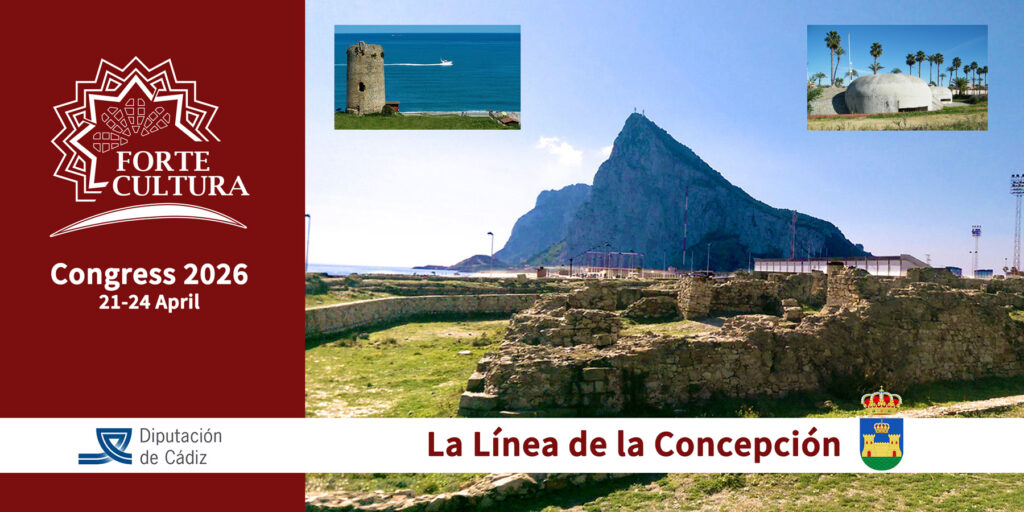
FORTE CULTURA Congress 2026, La Línea de la Concepción (ES)
21. April – 24. April CEST
“From Cádiz to Europe: Fortifications and Sustainable Tourism”
- FORTE CULTURA General Assembly 2026
- FORTE CULTURA Congress 2026 “From Cádiz to Europe: Fortifications and Sustainable Tourism”
- Excursions to La Línea de la Concepción, Cádiz, Tarifa and probably Gibraltar
- Exchange and get together
Context and Motivation
European fortified heritage is increasingly recognised not only as a testimony of shared history, but also as a strategic resource for sustainable territorial development. In border regions in particular, fortifications embody layered identities, military histories, and longstanding interactions between communities, states, and cultures. La Línea de la Concepción, located at the southern gateway of Europe and in direct dialogue with Gibraltar, Morocco and the wider Mediterranean context, offers a highly relevant setting to reflect on the contemporary role of fortifications. Its defensive systems illustrate how military architecture has shaped landscapes, urban development, and cross-border relations. Today, these assets raise key questions related to governance, cooperation, inclusion, and sustainable tourism development.
The FORTE CULTURA Congress 2026 builds on the outcomes of previous editions and positions itself within a broader European perspective. It aims to explore how fortified heritage can function as a platform for networking and cooperation across regions and borders, while reinforcing the role of communities and interpretation in shaping meaningful, sustainable visitor experiences.
Fortifications, Networks, and European Cultural Routes
Networking and critical mass are strategic priorities for FORTE CULTURA. Isolated sites, regardless of their individual value, struggle to address contemporary challenges alone. Networks, clusters, and European frameworks offer a scalable and resilient model. In this context, the Congress will highlight the relevance of the Cultural Routes of the Council of Europe as an operational framework for cooperation, knowledge exchange, and visibility. Fortified heritage, by its very nature transnational, is particularly suited to crossborder narratives and shared thematic approaches. Regional networks and cross-border clusters will be discussed as tools to:
- articulate shared values linked to democracy, peace, and cultural diversity.
- strengthen institutional cooperation,
- improve access to European funding,
- develop coherent tourism products, and
- articulate shared values linked to democracy, peace, and cultural diversity.
Congress Objectives
The FORTE CULTURA Congress 2026 aims to:
- Share methodologies and practices related to creative tourism and participatory
approaches in fortified sites. - Reinforce the strategic role of networks and clusters in the sustainable development
of fortified heritage. - Explore community involvement and inclusion as prerequisites for sustainable
tourism strategies. - Position heritage interpretation as a key driver for education, awareness, and longterm
value creation.
Key Themes and Sessions
The Congress will address the following interconnected themes:
- Networks, Clusters, and Governance Models
Institutional frameworks and governance structures that enable cooperation at local, regional, and European levels. - Fortifications and Sustainable Cultural Tourism
Development of tourism models that respect carrying capacity, authenticity, and local identity. - Heritage Interpretation as a Strategic Tool
Interpretation as a bridge between heritage, communities, and visitors, with a focus on education, awareness, and innovative teaching methods. - Community Involvement and Inclusion
Participatory approaches that empower local communities, schools, associations, and creative actors in shaping tourism narratives. - Creative Tourism and Experiential Models
From passive visitation to active engagement, fostering meaningful encounters with heritage through creativity and co-creation.
Expected Outcomes
The Congress is expected to deliver:
- A shared understanding of heritage interpretation as a cornerstone of sustainable tourism in fortified sites.
- Concrete examples of cross-border and regional cooperation applicable across Europe.
- Strategic inputs supporting FORTE CULTURA’s long-term objectives, including European certification processes and project development.
- Strengthened links between FORTE CULTURA members, Cultural Routes, and partner institutions.
Focus on Education, Awareness, and Participatory Approaches
A dedicated focus will be placed on education-oriented practices, including:
- innovative teaching methods linked to fortified heritage,
- collaboration with schools, universities, and training institutions,
- interpretation tools addressing diverse audiences and inclusive narratives.
This approach reinforces the idea of fortified sites as living cultural infrastructures rather than static monuments.
Participants and Stakeholders
The Congress will bring together:
- Community organisations, creatives, and civil society actors.
- Managers and professionals of fortified heritage sites,
- Local and regional authorities,
- Cultural Routes and European networks,
- Researchers, educators, and interpreters,
- Community organisations, creatives, and civil society actors.
Conclusion
The FORTE CULTURA Congress 2026 in La Línea de la Concepción aims to connect local realities with a broader European vision. By focusing on networks, cross-border cooperation, and heritage interpretation, the Congress will reaffirm fortified heritage as a strategic asset for sustainable tourism, community engagement, and European cohesion. From La Línea to Europe, fortifications become not only witnesses of the past, but active contributors to a more inclusive, informed, and sustainable future.
Preliminary Programme
Tuesday, 21 April
Venue: Congress Center & Hotel “Ohtels Campo de Gibraltar”, Av. Príncipe de Asturias, 11300 La Línea de la Concepción
09.30 Site visits in La Línea de la Concepción, Meeting point in front of Palacios de Congresos
11.30 Workshop FORTE CULTURA Cluster Development Andalusia (for regional stakeholder and invited guests)
13.30 Light Lunch
14.30 FORTE CUTURA General Assembly 2025 (for members and invited guests)
20.30 Welcome Dinner (probably at own costs)
Wednesday, 22 April
Venue: Congress Center & Hotel “Ohtels Campo de Gibraltar”, Av. Príncipe de Asturias, 11300 La Línea de la Concepción
09.00 FORTE CULTURA Congress 2026
14.00 Lunch
16.00 FORTE CULTURA Congress 2026
20.00 Official Dinner
Speaker (to be completed):

Déborah JIMÉNEZ PAREDA
Técnica de la S.G. de Gestión y Coordinación de Bienes Culturales; D.G. de Patrimonio Cultural y Bellas Artes; Ministerio de Cultura
The National Plan for Defensive Architecture and the Role of the Ministry of Culture of Spain within the Council of Europe Cultural Routes Programme
Defensive architecture in Spain includes more than 10,000 listed buildings, ranging from castles, towers and walls to fortifications, coastal batteries and forts, among others. These constructions have heritage values that make them worthy of being safeguarded and appreciated: historical, symbolic, purely constructive (or architectural), technological, landscape and artistic value. The loss of the original function of defensive architecture—or fortified architecture—has contributed to its destruction or deterioration a situation that was sought to be remedied in 2006 with the drafting and implementation of a National Plan for Defensive Architecture, whose objective is the preservation and enhancement of this heritage. Currently, the Commission’s work covers different Currently, the Commission’s work covers different lines of action, from the formulation of inventories and glossaries of terms to the legal and legislative treatment for the safeguarding of this heritage. If we look beyond national borders, we find a Council of Europe programme that aims to promote values such as democracy, cultural diversity and interactions between actors from different countries. The Council of Europe’s Cultural Routes programme was launched in 1987 and currently covers 49 certified cultural routes (Spain is represented in 30 of these routes)…

Catarina COSTA MACEDO
Former member of the Portuguese Military Tourism project
Portuguese fortifications under control of political authorities – military tourism on demand
Portuguese historic sites under governmental management have been, since the end of World War II, mainly attributed to the Ministry of Culture, City Councils, the Tourism Office, and, more recently, public-private partnerships with hotel chains. A very few fortifications are under the direct rule of the Presidency, the Defence Ministry and the Armed Forces, with strict Official Agendas and security that includes access control, perimeter security, and surveillance. Nevertheless, it is possible to visit some of these sites on demand. It is my goal to present three iconic 16th-century military sites in the surroundings of the city of Lisbon: Cidadela de Cascais (summer residence of the President of the Republic), Fortaleza de São Julião da Barra (residence and venue of the Minister of National Defence), and Forte do Bugio, a strategic island fort and functional lighthouse at the entrance of the Tagus River (under the Portuguese Navy). Three different approaches and solutions found to make these fortifications more accessible to visitors and to a specific and increasingly specialized tourism, such as military tourism.
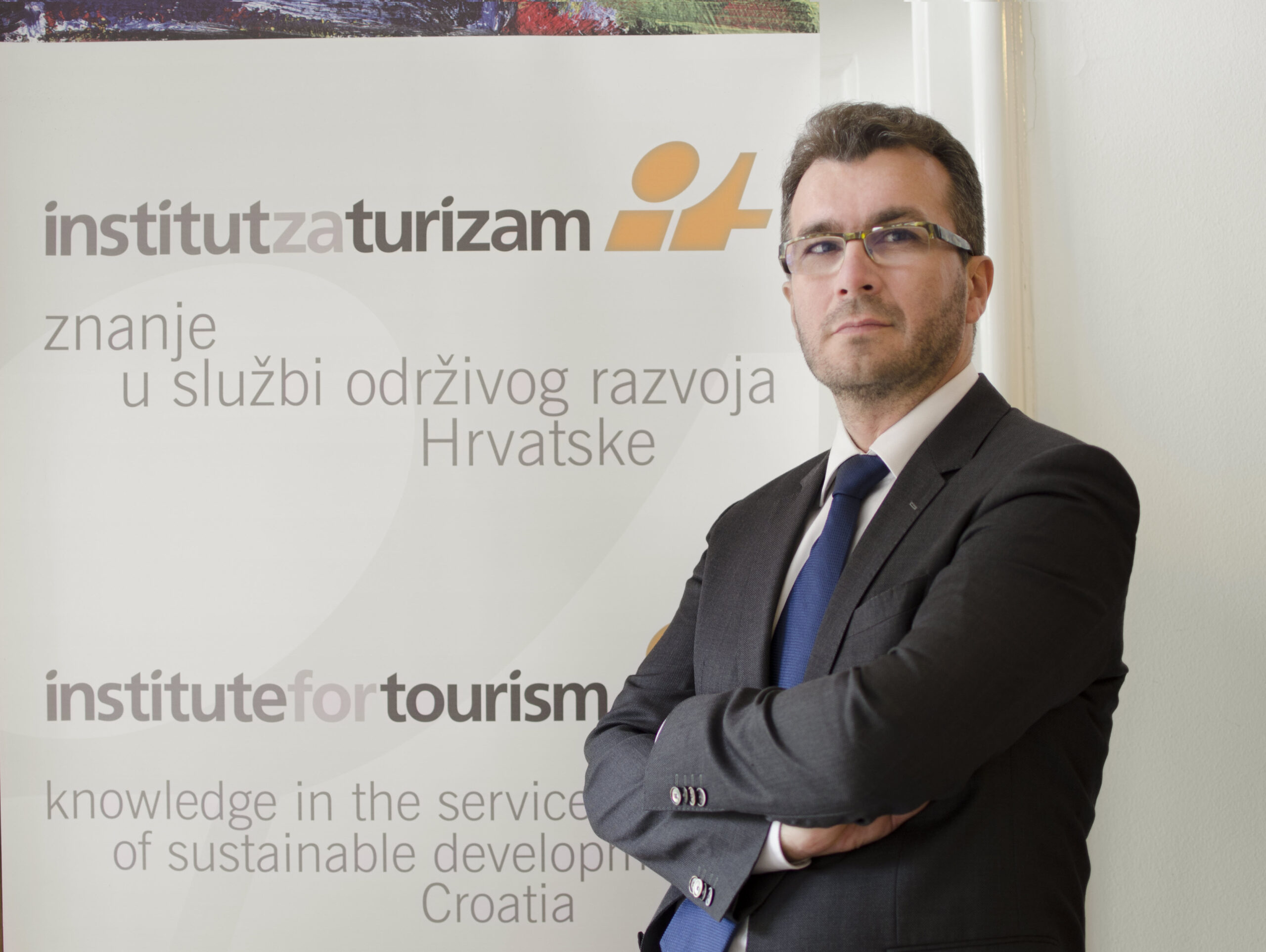
Damir KREŠIĆ
Institute for Tourism Croatia
Co-author and prof. dr. Vjekoslav Bratić (Institute of Public Finance, Zagreb)
Balancing Tourism Growth and Sustainability: Turning Data into Decisions through Impact Assessment, Indicator Systems, and Governance Models
Travel and tourism contribute around 10% of EU-27 GDP (including indirect and induced effects) and supports 25+ million jobs, making it one of Europe’s key economic activities. At the same time, growth that drives prosperity is generating acute pressures – overtourism hotspots, extreme seasonality, negative climate impacts and different regional and structural vulnerabilities that threaten the long-term competitiveness of European destinations. Addressing these challenges demands continuous, robust, multi-dimensional measurement. Arrivals, overnight stays and tourism receipts alone are insufficient; destination carrying capacity provides the essential baseline for evidence-based management, while initiatives such as UNWTO INSTO, ETIS and other indicator frameworks track the economic, social, and environmental impacts of tourism across different scales – from individual sites to territories, nations, and the international level. The presentation reviews key indicator frameworks and highlights one of the central methodological challenges: aggregating and scaling evidence beyond single locations to meaningfully inform regional and national decision-making. Finally, measurement must be translated into actionable policy – who measures what, how often, at which level, and how data must flow across institutions to become actionable policy. The underlying argument is captured in two well-known quotes: “You cannot manage what you cannot measure” (Peter Drucker) and “Without data you are juts another person with an opinion” (W. Edwards Deming) emphasizing the importance of measurement and informed decision-making in tourism planning and management.
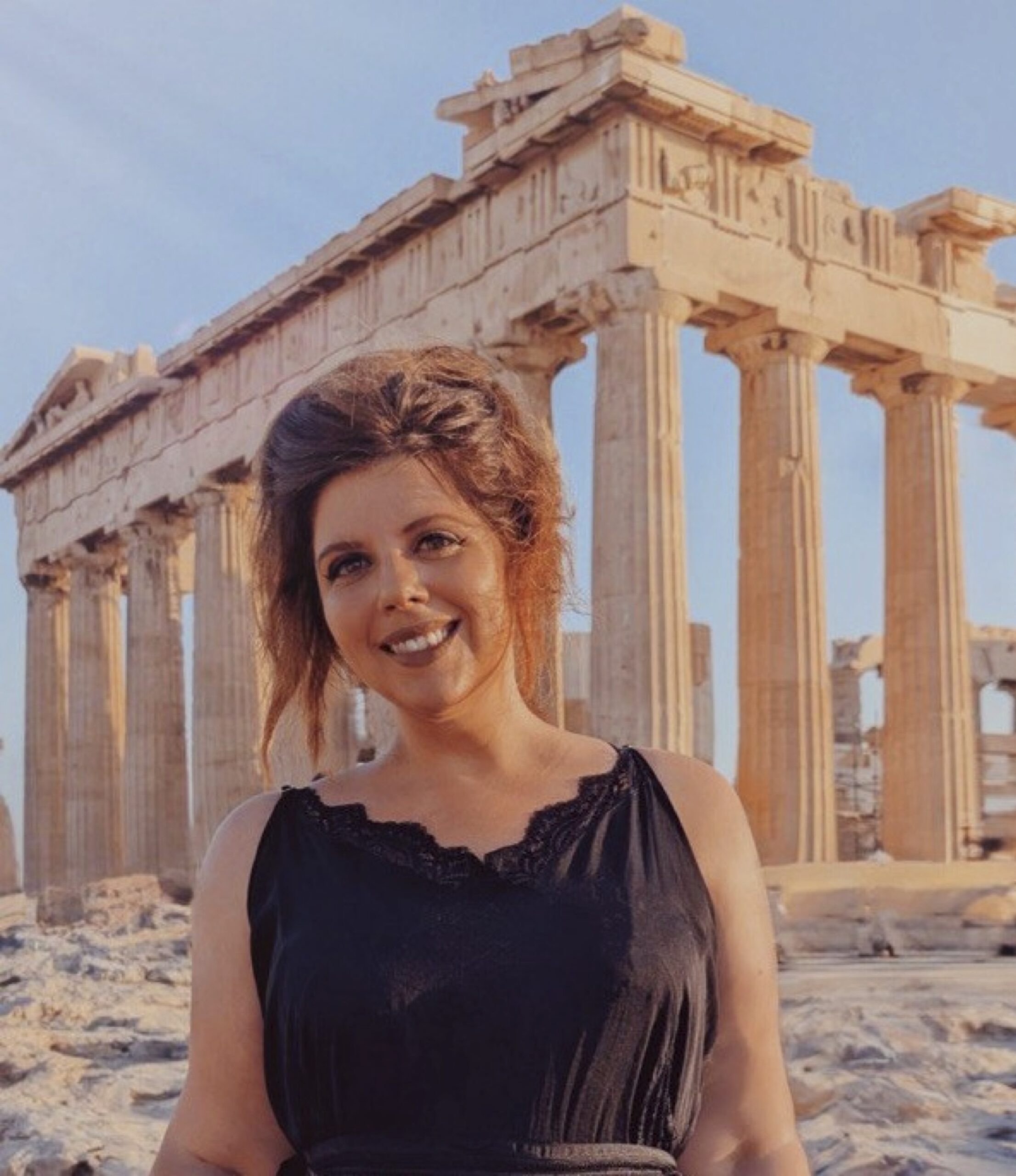
Elisa BAILEY
Interpret Europe – European Association for Heritage Interpretation, National Coordinator, Spain – Senior Consultant, Lord Cultural Resources,
From Fortress to Forum: Heritage Interpretation, Art and Memory for Sustainable Development
Fortresses, once often built as centres of power and governance, and as defense infrastructure or in times of conflict, are increasingly reinterpreted as spaces for dialogue, cultural exchange, and community engagement. This paper explores how heritage interpretation and diverse programming can foster social sustainability and transform fortified and military sites into messengers of peace, hope and celebration via multiple entry points. Framed in part by the Council of Europe’s Faro Convention (on the Value of Cultural Heritage for Society), the paper highlights both heritage and its interpretation as a shared societal resource shaped by active participation. With a focus on forts that are sites of conscience and memory, and of arts and culture, the presentation considers how, in a context of renewed geopolitical tensions, fortresses provide a lens to reflect on resilience and solidarity, and support more responsive and socially sustainable societies.
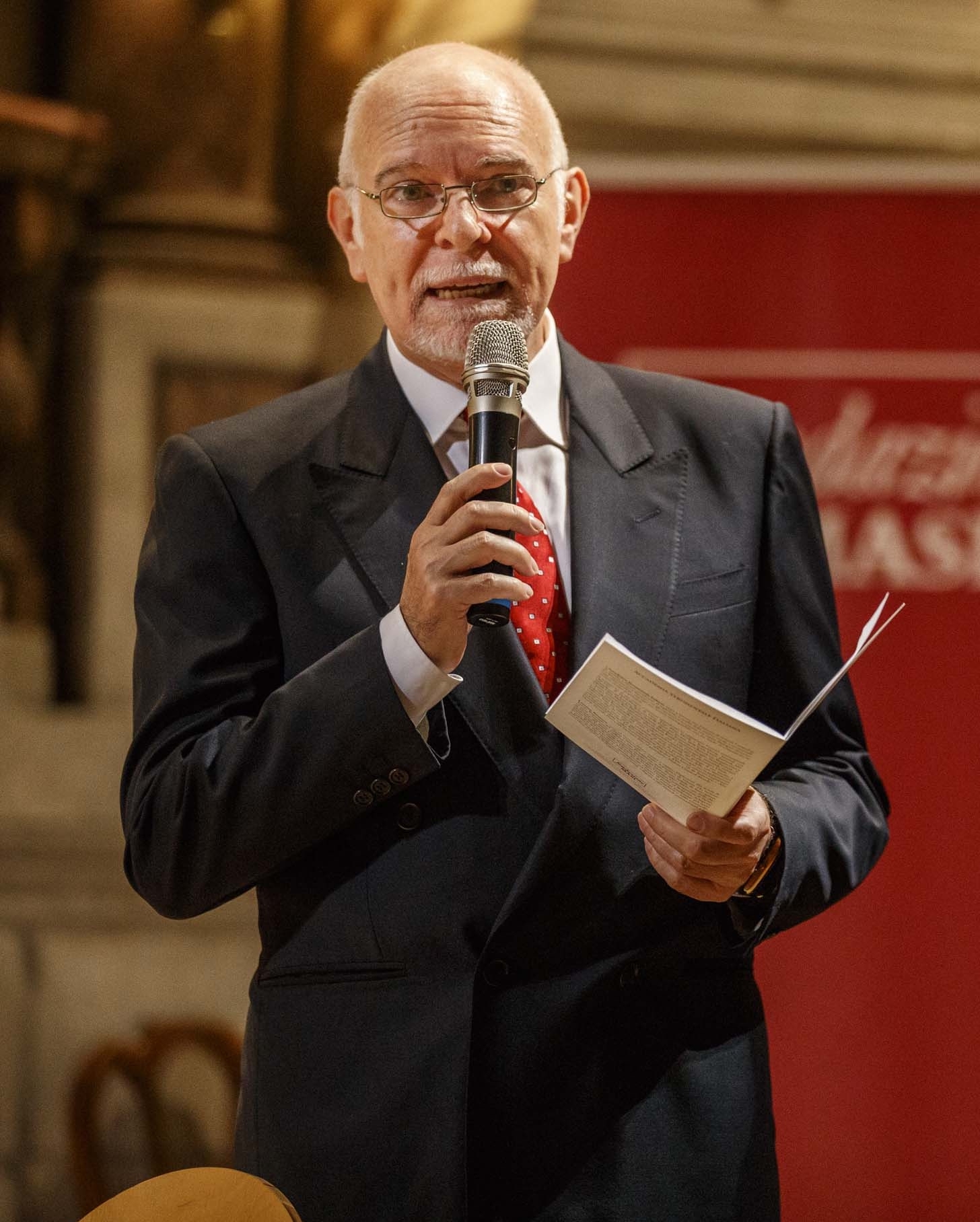
Filippo CAILOTTO
FORTE CULTURA e. V.
FORTE CULTURA: Cultural Route and Cluster Strategy
This contribution outlines the strategic vision of FORTE CULTURA as a European Cultural Route and cooperation network dedicated to fortified heritage. It frames fortifications as a shared European cultural landscape, from Renaissance bastions to modern defensive systems, and highlights their potential for sustainable tourism and regional development. The speech addresses the structural fragmentation of heritage management and introduces the cluster strategy as a key instrument to build critical mass, enhance visibility, and strengthen cooperation. Regional clusters are presented as operational platforms linking local initiatives to a broader European framework. The Andalusia Cluster is introduced as a concrete example of this approach, demonstrating how coordinated action at regional level can reinforce the European dimension and long-term sustainability of the network.

Olha TIKHONOVA
FORTE CULTURA e. V.
Subroutes and Cluster Strategy: The Andalusia Visions
This research examines the potential of Andalusia’s fortified heritage as a basis for sustainable cultural tourism within the FORTE CULTURA framework. Drawing on 9 established cultural routes of El legado andalusí, it proposes a multi-level cluster strategy that groups fortified sites into coherent micro-regional, regional, and transnational networks. The study documents dense systems of fortifications shaped by centuries of Islamic-Christian frontier dynamics and identifies key challenges of abandonment, limited accessibility, and insufficient visibility. Practical solutions include advanced shuttle transport systems, digital interpretation tools, and coordinated branding under a European quality label. The research argues that Andalusia’s layered fortress landscapes offer an ideal setting for demonstrating how fortified heritage can drive regional development while fostering cross-cultural dialogue within a shared European historical narrative.

Alfonso ESQUADRA SÁNCHEZ
Instituto de Estudios Campogibraltareños, Human Science esp. Prof., Full member Governing Council
The Fortifications of the isthmus and the Operation “Felix”
The last major global conflict of the twentieth century left a significant legacy in the region in the form of fortifications and artillery positions. Many decades have now passed, and owing to advances in technology and military doctrine, these structures have lost all tactical utility. Nevertheless, since the early 1990s they have increasingly been reclaimed as a form of heritage worthy of preservation, not only because they offer an illuminating means of engaging with past tactical and strategic perspectives, but also because of the prominent role they played in events of profound historical significance.
This lecture, therefore, seeks to provide an overview of the origins and development of the fortifications in the southernmost part of the Iberian Peninsula, as well as to illustrate the role these structures played during that period in connection with the aforementioned project to recover Gibraltar. It also aims to demonstrate their potential for development as cultural assets and objects of tourist interest. In this regard, the routes proposed here are intended not merely to offer a survey of these wartime constructions, but above all to elucidate the role they played in relation to the plan to conquer Gibraltar—an operation still relatively little known in terms of its tactical details, which began under the designation “G” before passing into history under the codename “Félix”…

Ángel J. SÁEZ RODRÍGUEZ
PhD in History. Full Member of the Institute of Campogibraltareño Studies. Editor of the journal Almoraima.
18th-century Spanish forts around Gibraltar
In the 18th century, an international border was established in the Bay of Algeciras, which has shaped the historical, economic and sociological development of the surrounding area right up to the present day. The scene of military action on several occasions, it has attracted the world’s attention through unsuccessful sieges in the 18th century, during the shifting of traditional alliances in the Napoleonic Wars, and in the two world wars of the 20th century. In the 21st century, agreed solutions are being devised to remove an anachronistic border within Europe, whilst the Strait of Gibraltar is taking on greater significance in a turbulent international context. The 18th century saw the revival of that border which had disappeared at the end of the Middle Ages, when the Crown of Castile conquered all the lands bordering the Strait, expelling the Merinids first and the Nasrids later. Medieval castles gave way to bastioned fortifications which, around the isthmus of Gibraltar, established immovable positions for centuries, despite the blood shed in attempts to change that statu quo. Those fortifications are today, in a very uneven state of preservation, centres of tourist attraction and academic interest, as well as the subject of this paper. The Gibraltar Counter-Fortification Line defined the nerve centre where territories with very different fortification models converged, then facing off around the Bay of Algeciras. On one side, the fortified system of the Kingdom of Seville’s coastline, which looked out onto the Strait with Verboom’s works, alongside that of the Granada coastline, with the works designed by José de Crame. On the other side, the defences of Gibraltar, developed by English engineers upon those of Spanish origin that had been conquered in 1704.
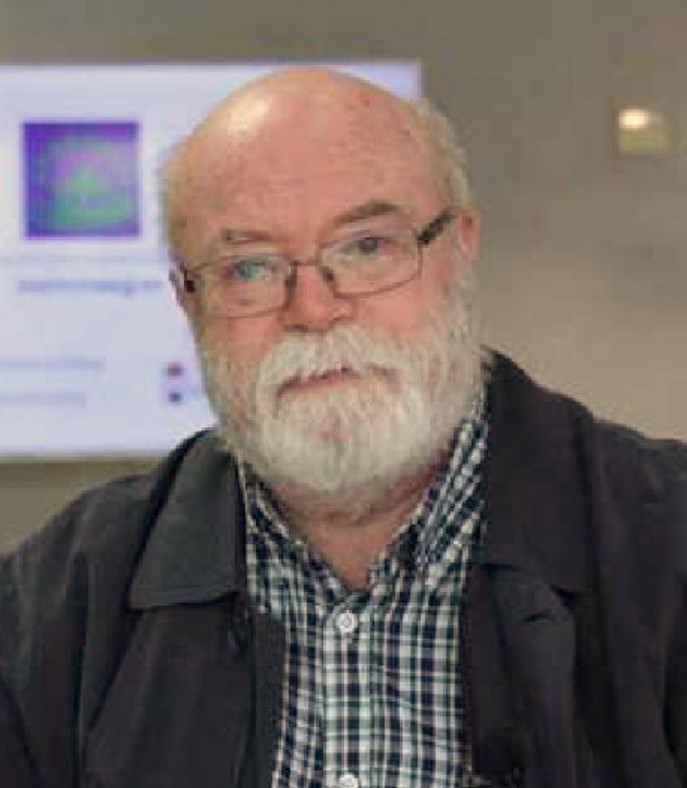
Carlos Gómez de AVELLANEDA SABIO
Instituto de Estudios Campogibraltareños
The medieval fortifications of Algeciras
Situated at the crossroads of seas and continents, Algeciras has historically been subject to geostrategic tensions, reflected in its medieval military architectural heritage, which is gradually being uncovered and studied. In 1375, the city comprised two extensive, separate walled enclosures, situated to the north and south of a river, which were known as Las Algeciras. However, this vast perimeter of almost five kilometres could not be defended by the weak army of the Sultan of Granada, who abandoned and destroyed both the city and its walls. After centuries of neglect, between 1721 and 1724, the engineer Jorge Prospero de Verboom undertook intensive efforts and projects to rebuild Algeciras, producing such detailed drawings that today, together with the preserved remains and archaeological excavations, they provide an understanding of those fortifications that would have been unthinkable decades ago.

Oresta REMESHYLO-RYBCHYNSKA
PhD, Prof. of Department of Design and Architecture Fundamentals, Institute of Architecture and Design, Lviv Polytechnic National University, ICOMOS Ukraine board member
Sustainable Development Principles in Ukraine and Their Implementation in Historic Fortification Complexes
Historic fortification complexes of the 17th–18th centuries represent layered spatial systems shaped by defense, landscape, and symbolic power. Today, structures such as Pidhirtsi Castle, Kamianets-Podilskyi and Khotyn fortresses require a design-oriented rethinking that moves beyond conservation toward meaningful activation. This presentation examines sustainable development as a tool for architectural reinterpretation through adaptive reuse, temporary and reversible interventions, landscape-sensitive design, and contemporary public programming. The focus is on transforming defensive infrastructures into resilient cultural spaces while preserving their stratified historical identity in the context of Ukraine’s post-war renewal.
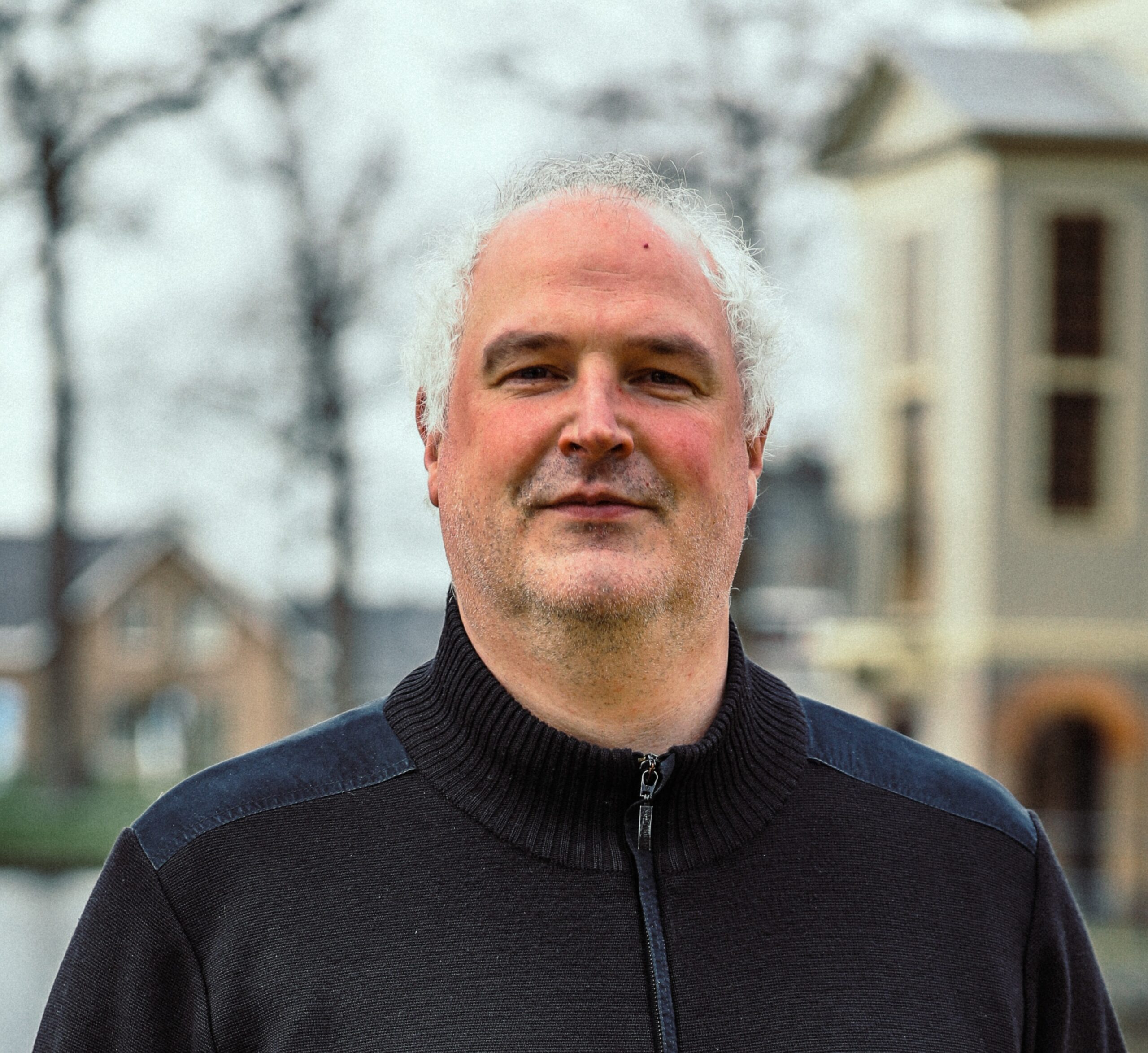
Jeroen VAN DER WERF
Stichting Monumentenbezit
Sustainable Heritage Management: Green Policies for the Naarden Fortifications
Monumentenbezit is a non-profit NGO, based in the Netherlands. The organization is the owner of a portfolio of 34 national monuments and monumental complexes. The fortifications of Naarden (UNESCO World heritage since 2021) are part of that portfolio. Being the owner of these fortifications, Monumentenbezit, as a private party, in the middle of the public life and dynamics of a small town. The fortifications form more than half of the total surface of the town and are a prominent site for recreation for the whole, densely populated, region. Although they are private property, the fortifications function as a public space. On the one hand, this fits well into the policy of Monumentenbezit. One of the goals of the organization is to share the monuments with the public: by opening them up and talk about their history and cultural significance through articles, lectures and exhibitions. An example of this is the visitors center the organization opened in Naarden in 2021. On the other hand, the visitors, unwillingly, threaten the heritage. This mainly shows in the vegetation on the ramparts. The combination of heat and long dry spells in the summer, caused by the changing climate, and increasing amounts of visitors, causes irreparable damage to the vegetation and the earthen ramparts. This has led to a policy change in the green management of the fortifications. The presentation will talk about the vision behind this new policy, the research done to come to it, the steps taken to implement this new policy and the steps to be taken in the future. It will also show that each position in the fortress needs its own approach depending on its accessibility and type of vegetation. Last, but certainly not least, it will also go into the relation with the municipality and the visitors of the fortifications. Without their help and cooperation, successful implementation of this policy will be impossible.
The policy change I talk about focusses on using the vegetation to steer the public to places we want them to visit and keeping them out of the places that are vulnerable. Besides that, by increasing the biodiversity of the vegetation, the earthworks are more resistant to drought and damage.
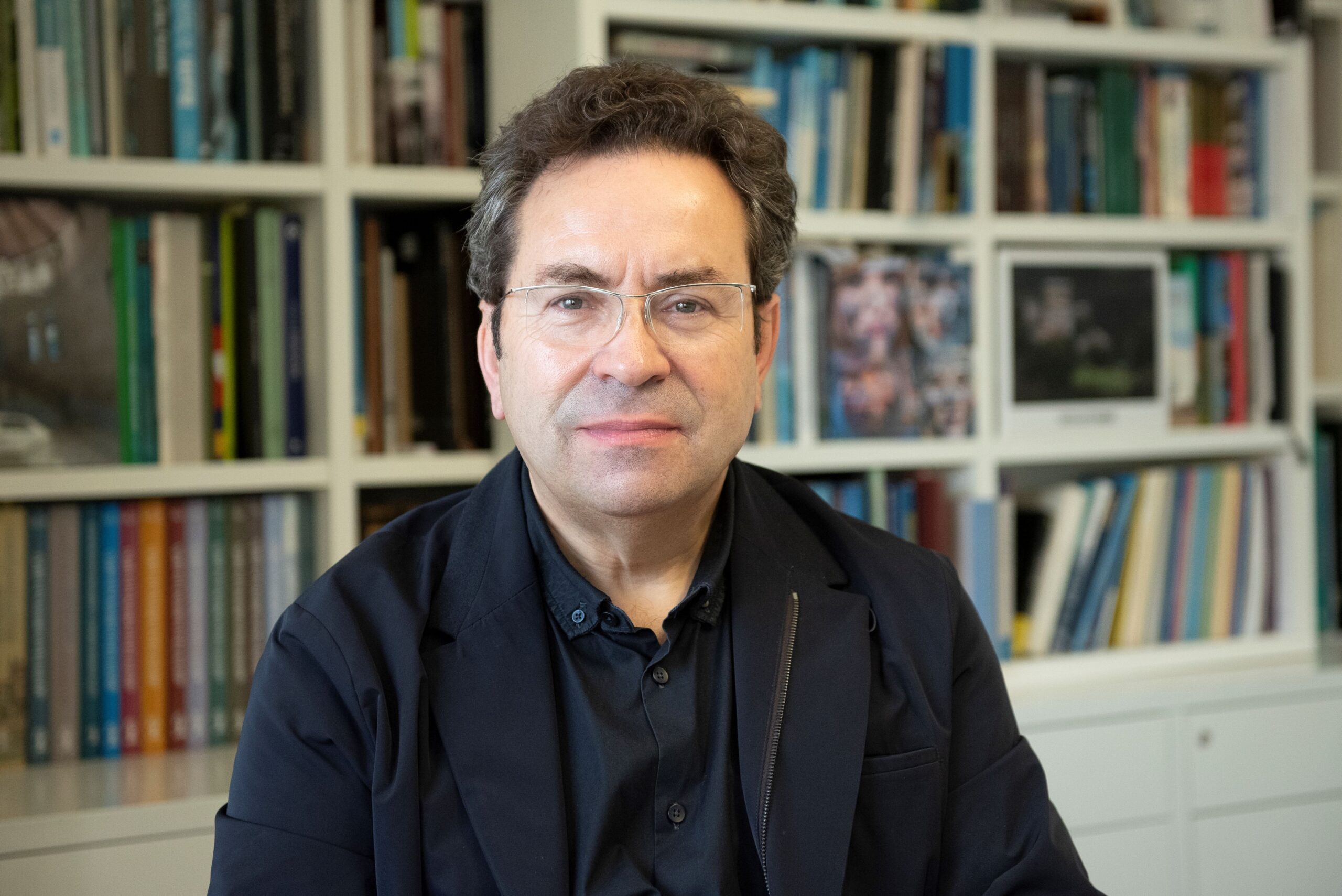
Mario CRECENTE
CRECENTE ASOCIADOS A Coruña
The revitalisation of the Monastery of Santa Catalina de Montefaro
The Monastery of Santa Catalina de Montefaro played a key role within the Ferrol defensive system, which integrates coastal batteries and forts to protect the strategic Royal Arsenal. Following the Mendizábal Disestablishment, the building ceased to be a monastic centre and was occupied by the army, serving as barracks and becoming a vital node for logistics, communications and surveillance within the region’s territorial defence. The rehabilitation of the Monastery was one of the selected proposals within the Program for the Improvement of Competitiveness and Revitalisation of Historical Heritage for Tourist Use, promoted by the Ministry of Industry and Tourism within the framework of the Recovery, Transformation and Resilience Plan. The project develops different actions, such as the improvement of roofs; restoration and replacement of carpentry; rehabilitation of cloisters; reform of spaces; restoration of the altarpiece, mural paintings and chapter house; kitchen equipment; landscaping; exterior lighting; and communication. This initiative establishes a framework for sustainable tourism, leveraging the Monastery’s exceptional geographical setting and architectural significance. Central to this model is the local community, with associations and residents who have organized a wide range of events over the years. This synergy between the monument’s values and the deep commitment of the local population is the vital cornerstone for the future of Santa Catalina.
Thursday, 23 April
Excursions
08.00 Bus to Tarifa (from hotel)
09.30 Isla de las Palomas: For visiting Isla de las Palomas you’ll need your ID card or passport.
11.00 Castillo de Guzman el Bueno, Tarifa
12.00 Bus to Cádiz
13.30 Lunch
14.30 Castillo de Santa Catalina, Cádiz
18.30 Castillo de San Sebastian, Cádiz
20.30 Dinner in Cádiz
21.30 Bus to La Línea de la Concepción
Friday, 24 April
Optional excursions (not yet determined, probably Gibraltar, alternatively Malaga)
10.00 Guided tour Gibraltar Fortress (2 hours),
own transport, EU border, maybe passport needed
08.00 Transfer to Malaga
airport, Alcazaba Malaga, airport
Conference fee
Registration
 English (UK)
  Deutsch
  Français
  Italiano
  Polski
  Español