
El Congreso FORTE CULTURA 2026, celebrado en La Línea de la Concepción (ES), fue un evento fantástico. Bajo el lema ‘De Cádiz a Europa: fortificaciones y turismo sostenible’, se reunieron 72 expertos en fortificaciones y turismo procedentes de 17 países. Hemos disfrutado de cuatro días apasionantes, repletos de información, intercambios personales y excursiones fascinantes.
Nos gustaría expresar nuestro más sincero agradecimiento a nuestros anfitriones de La Línea de la Concepción y nuestros patrocinadores de Diputación de Cádiz por su apoyo económico y personal en la organización y celebración del Congreso Anual de FORTE CULTURA 2026.
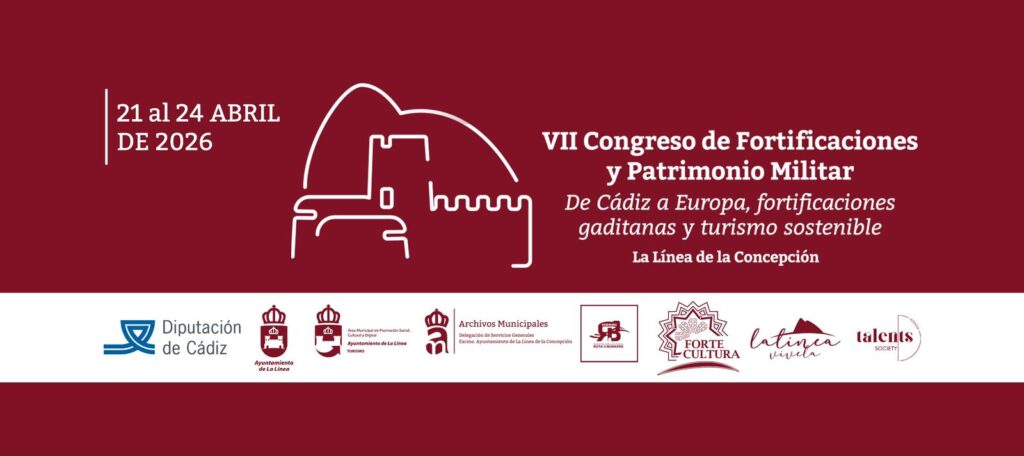
FORTE CULTURA Congreso 2026
El Congreso FORTE CULTURA 2026, celebrado en La Línea de la Concepción, tuvo como objetivo conectar las realidades locales con una visión europea más amplia. Al centrarse en las redes, la cooperación transfronteriza y la interpretación del patrimonio, el Congreso reafirmará el patrimonio fortificado como un activo estratégico para el turismo sostenible, la participación ciudadana y la cohesión europea. Desde La Línea hasta Europa, las fortificaciones se convierten no solo en testigos del pasado, sino en contribuyentes activos a un futuro más inclusivo, informado y sostenible.
Los 14 ponentes ofrecieron una visión detallada de una amplia variedad de aspectos relacionados con el patrimonio de las fortalezas.
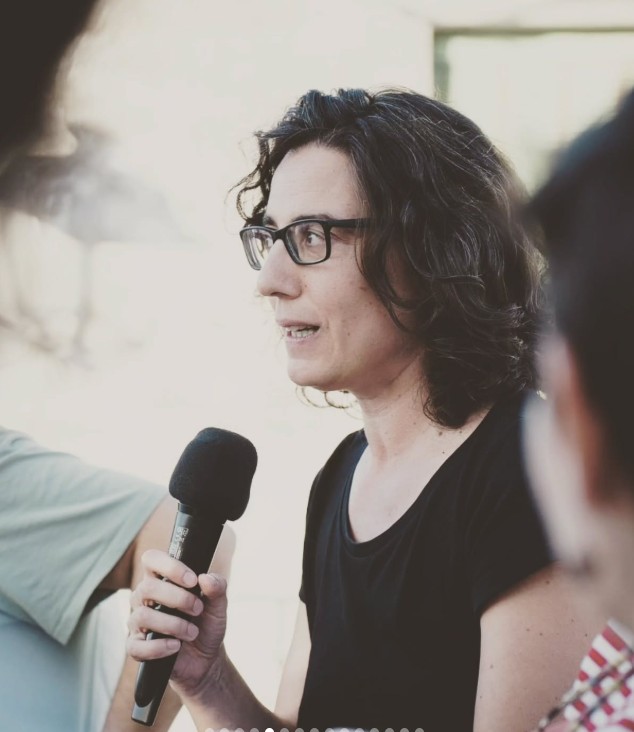
Déborah JIMÉNEZ PAREDA
Técnica de la S.G. de Gestión y Coordinación de Bienes Culturales; D.G. de Patrimonio Cultural y Bellas Artes; Ministerio de Cultura
El Plan Nacional de Arquitectura Defensiva y el papel del Ministerio de Cultura de España en el Programa de Itinerarios Culturales del Consejo de Europa

Catarina COSTA MACEDO
Ex miembro del proyecto Turismo Militar Portugués
Fortificaciones portuguesas bajo control de las autoridades políticas - turismo militar a la carta

Elisa BAILEY
Interpret Europe - Asociación Europea para la Interpretación del Patrimonioción, Coordinador nacional, España – Consultor Senior, Recursos Culturales de Lord,
De fortaleza a foro: Interpretación del patrimonio, arte y memoria para el desarrollo sostenible
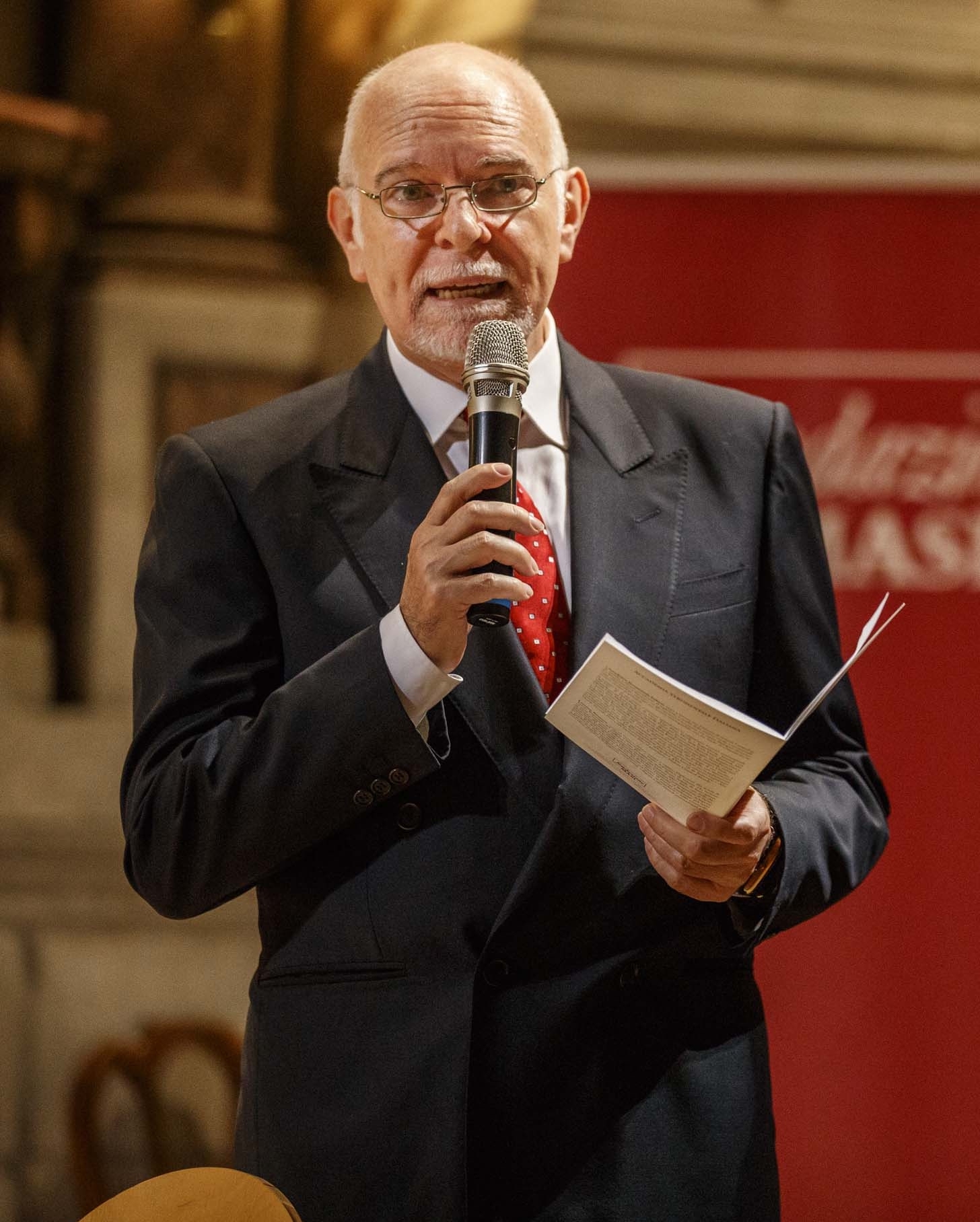
Filippo CAILOTTO
FORTE CULTURA e. V.
FORTE CULTURA: Ruta cultural y estrategia de clusters
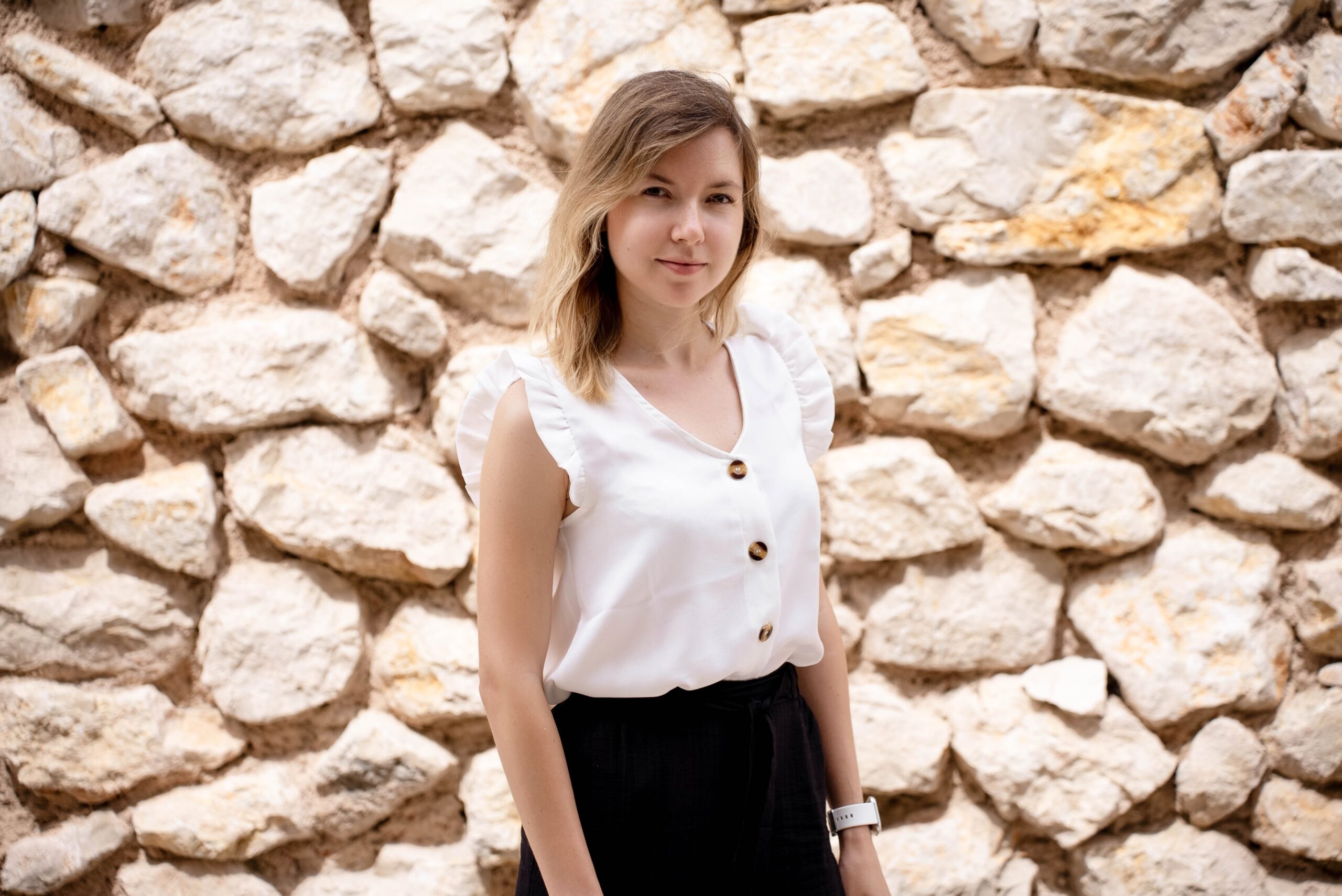
Olha TIKHONOVA
FORTE CULTURA e. V.
Subrutas y Estrategia Cluster: La Visión de Andalucías

Alfonso ESQUADRA SÁNCHEZ
Instituto de Estudios Campogibraltareños, Prof. esp. Ciencias Humanas, Miembro titular Consejo de Gobierno
Las fortificaciones del istmo y la operación “Félix”
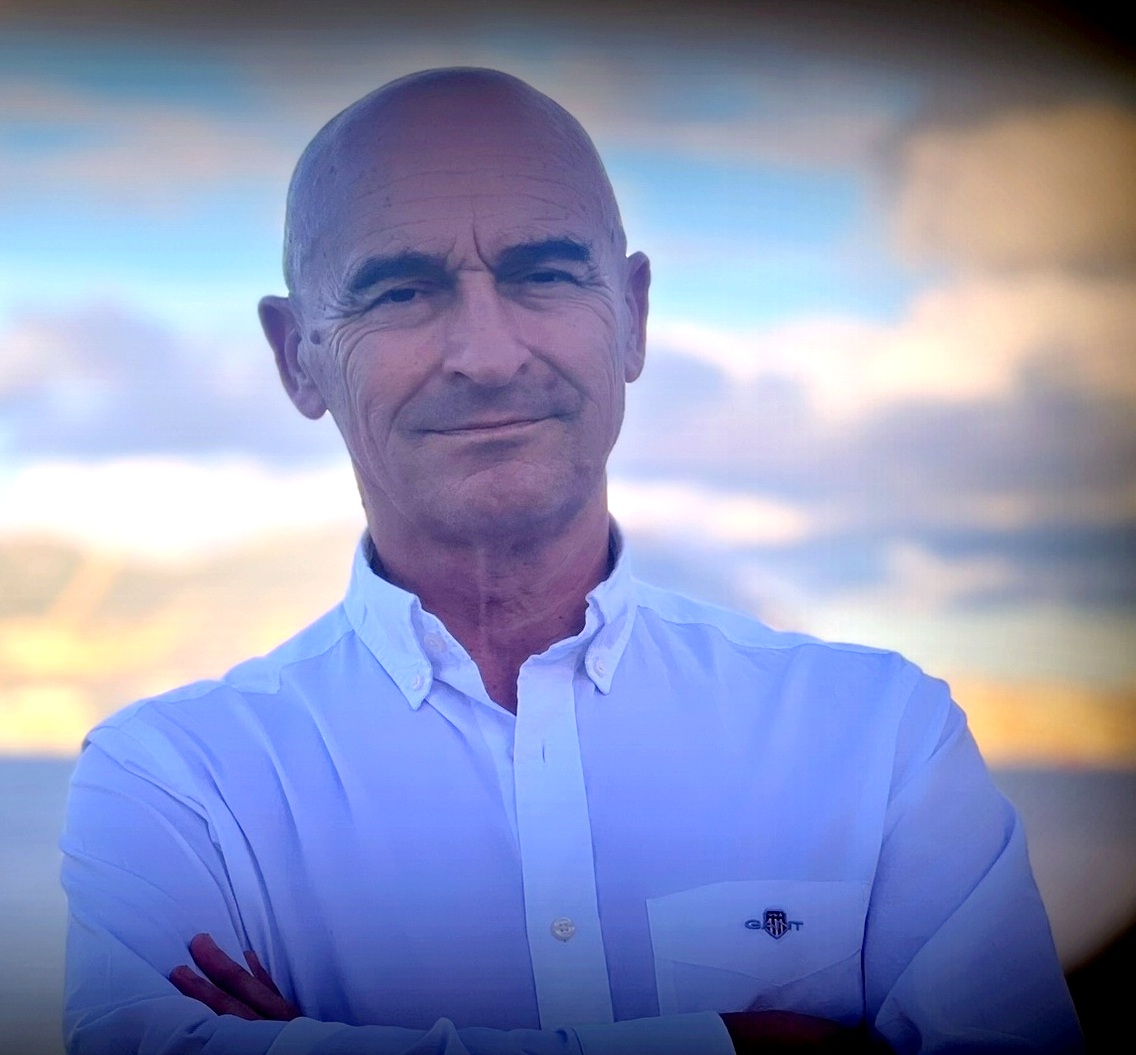
Ángel J. SÁEZ RODRÍGUEZ
Doctor en Historia. Miembro numerario del Instituto de Estudios Campogibraltareños. Director de la revista Almoraima.
Fuertes españoles del siglo XVIII en torno a Gibraltar
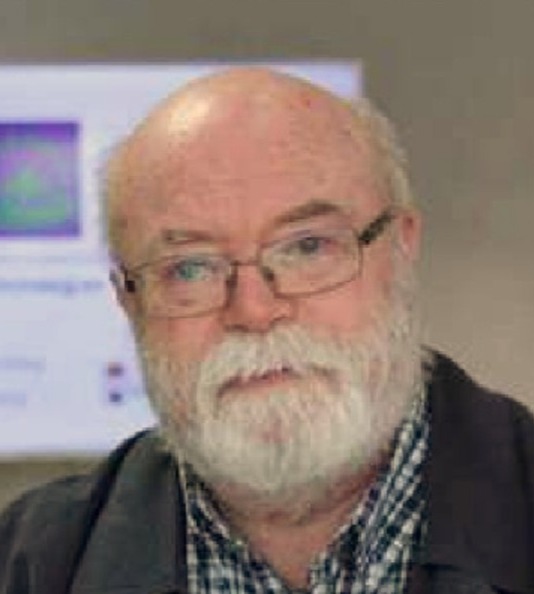
Carlos Gómez de AVELLANEDA SABIO
Instituto de Estudios Campogibraltareños
Las Fortifificaciones medievales de Algeciras
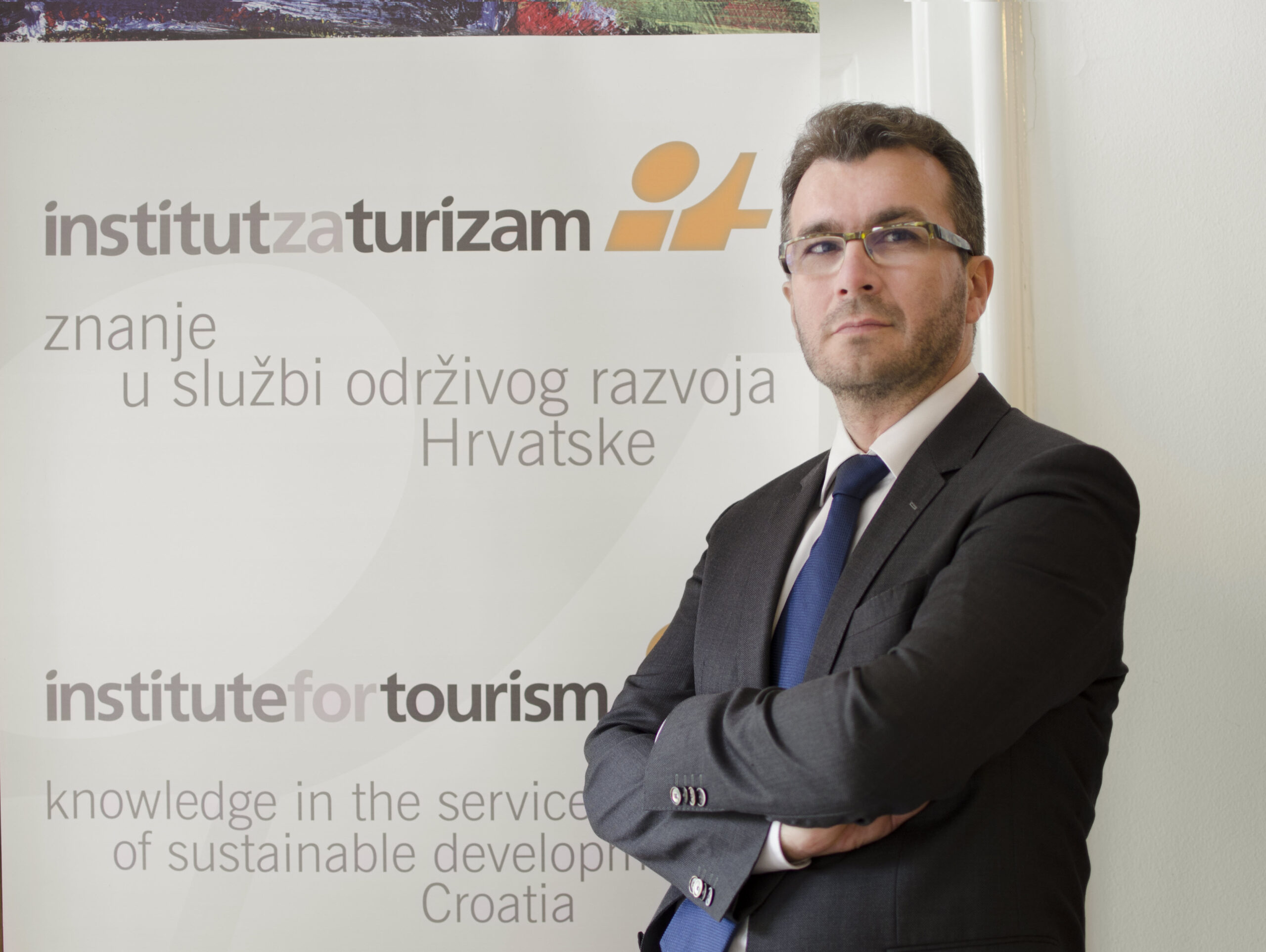
Damir KREŠIĆ
Instituto de Turismo de Croacia
Coautor: el profesor doctor Vjekoslav Bratić (Instituto de Finanzas Públicas, Zagreb)
Equilibrio entre crecimiento turístico y sostenibilidad: Convertir los datos en decisiones mediante la evaluación de impacto, los sistemas de indicadores y los modelos de gobernanza
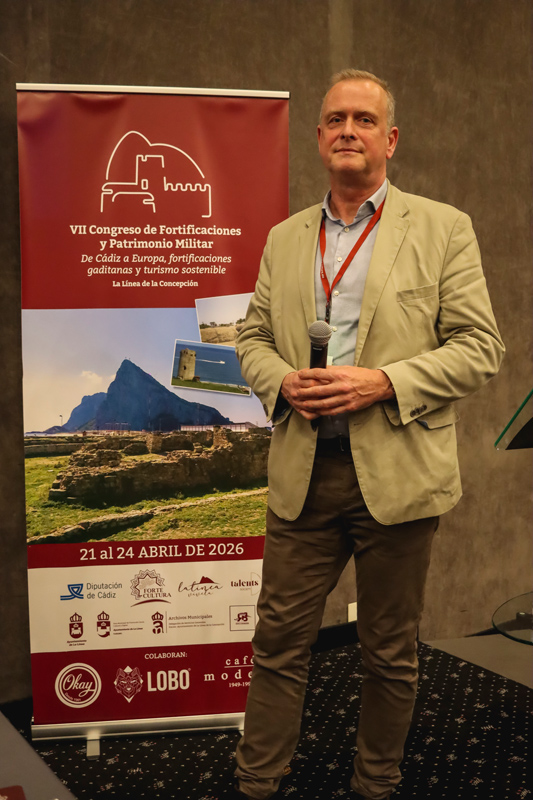
Rafael DEROO
ESFUERZOS Europa
Redes europeas, regionales y nacionales para la financiación de la UE
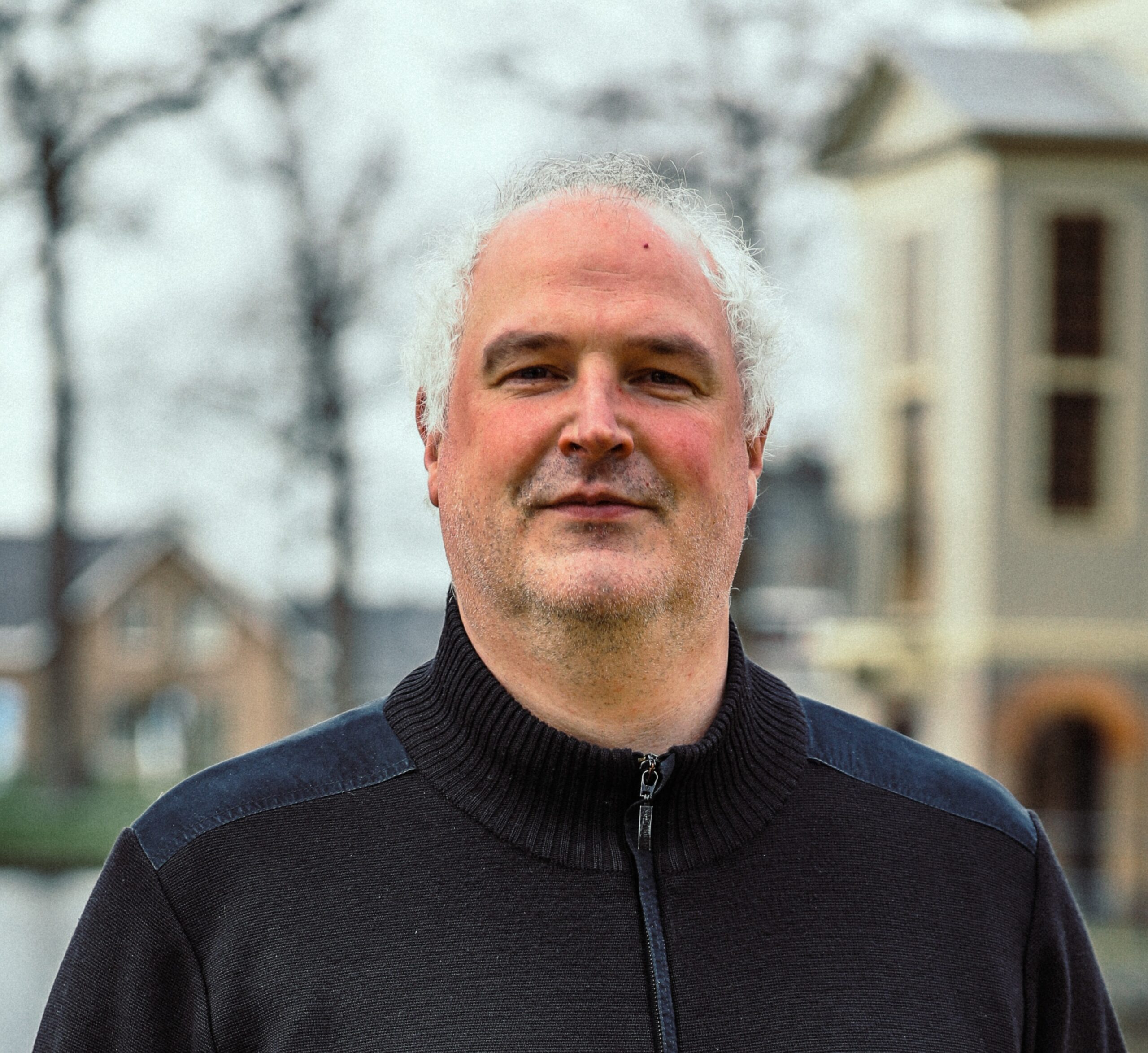
Jeroen VAN DER WERF
Fundación Monumentenbezit
Gestión sostenible del patrimonio: Políticas ecológicas para las fortificaciones de Naarden

Oresta REMESHYLO-RYBCHYNSKA
Doctor, Profesor del Departamento de Fundamentos del Diseño y la Arquitectura, Instituto de Arquitectura y Diseño, Universidad Nacional Politécnica de Lviv, miembro de la junta directiva de ICOMOS Ucrania
Principios de desarrollo sostenible en Ucrania y su aplicación en los complejos históricos de fortificación
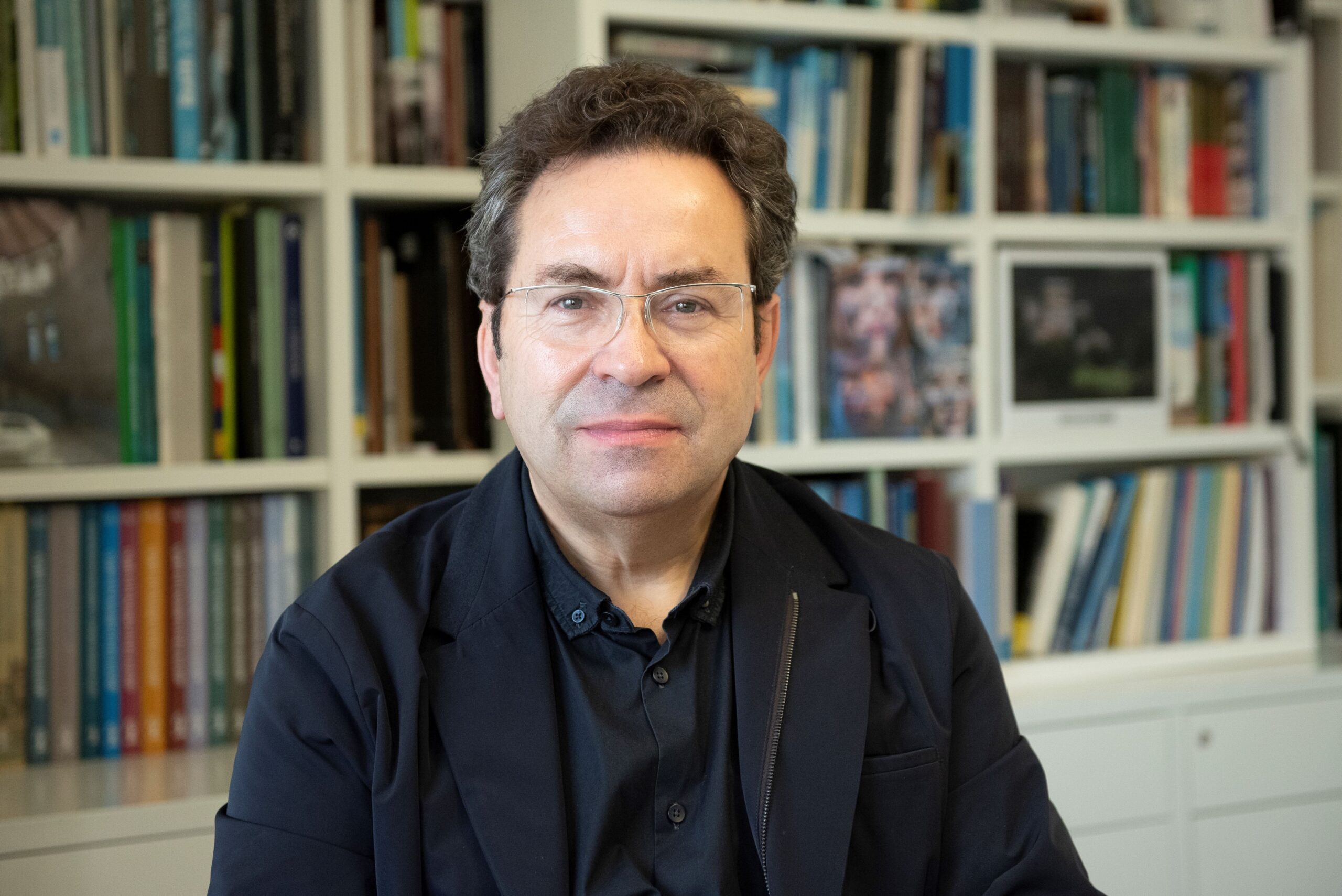
Mario CRECENTE
CRECENTE ASOCIADOS A Coruña
La revitalización del Monasterio de Santa Catalina de Montefaro
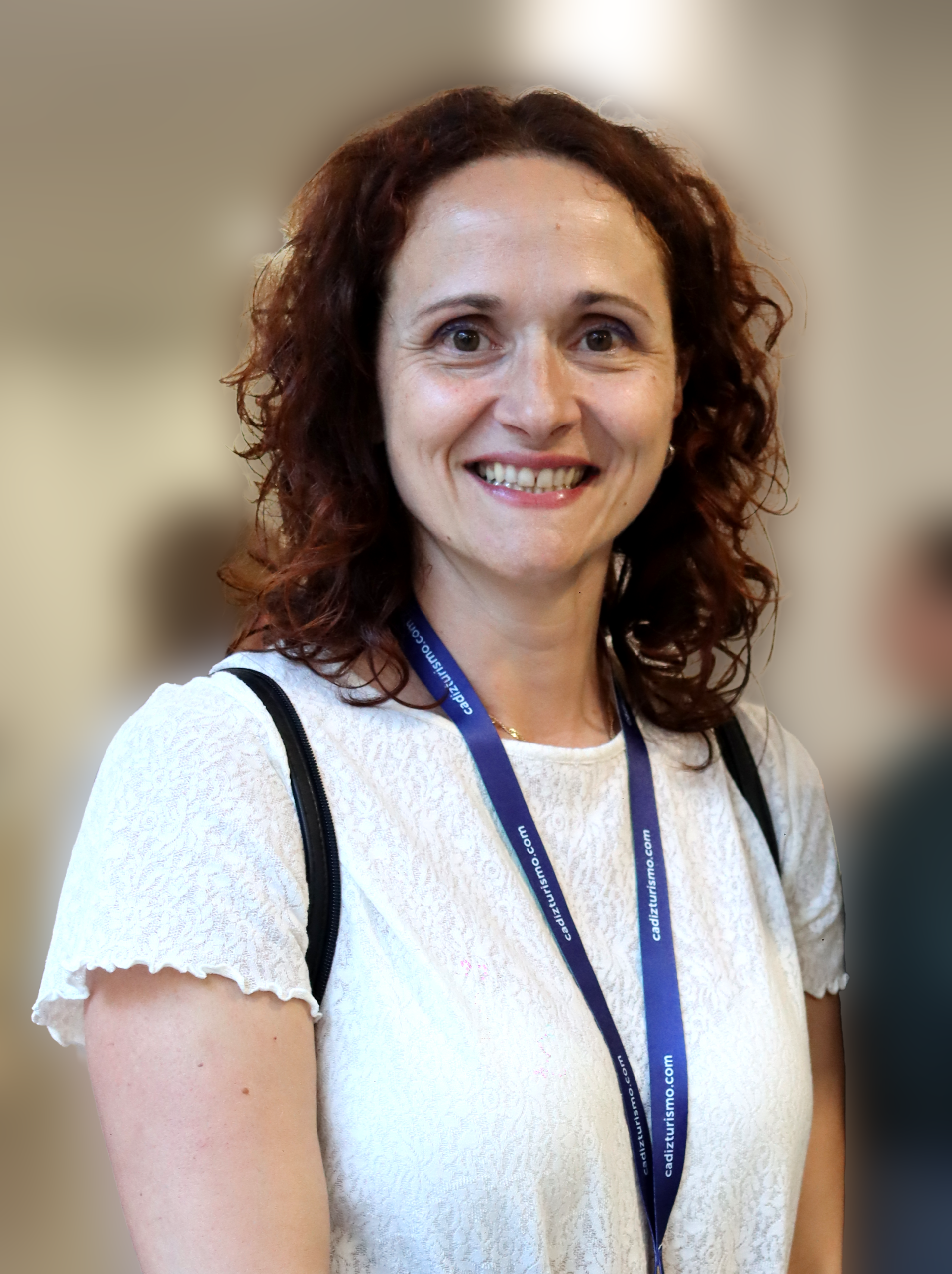
Djurdja VRLJEVIĆ ŠARIĆ
Fortaleza de la Cultura Šibenik
NIGHT OF FORTRESSES (NOF): Un modelo transnacional para la gestión sostenible e inclusiva del patrimonio cultural
Olha TIKHONOVA
FORTE CULTURA e. V.
Enseñar a los niños sobre el patrimonio de las fortificaciones y los rompecabezas
fotografías de Juanma Pastrana


Clúster FORTE CULTURA “El patrimonio fortificado de Andalucía”
Uno de los objetivos clave del Congreso FORTE CULTURA 2026 fue poner en marcha un clúster de FORTE CULTURA dedicado al patrimonio fortificado de Andalucía, con el fin de reforzar la posición de nuestro miembro de larga trayectoria, La Línea de la Concepción, dentro de la red FORTE CULTURA y establecer recorridos y ofertas turísticas sostenibles en torno a las fortalezas en la región del Campo de Gibraltar y en Andalucía. Con este fin, el 21 de abril se celebró un taller específico con agentes locales y responsables turísticos, cuyos resultados se presentaron posteriormente en el congreso.
Se ha firmado la carta de intenciones para el desarrollo del Clúster Andaluz del Patrimonio Fortificado
Durante una ceremonia pública celebrada en el marco de la conferencia, Mercedes Atanet Armida (concejala de Turismo de La Línea de la Concepción) y Filippo Cailotto (presidente de FORTE CULTURA), así como por parte de ocho instituciones y socios estratégicos, entre otros, de Algeciras, Tarifa, Granada, Gibraltar o Los Barrios.
Los firmantes comparten la opinión de que el patrimonio fortificado de Andalucía debe reconocerse no solo como un conjunto de monumentos individuales, sino también como un bien cultural común capaz de generar beneficios más amplios a través de la cooperación.
Si tú también deseas unirte al clúster FORTE CULTURA “Patrimonio fortificado de Andalucía”, no dudes en ponerte en contacto con nosotros. Para obtener más información, dirígete a nuestra oficina de la red.
Asamblea General de FORTE CULTURA 2026
La red FORTE CULTURA cuenta actualmente con unos 70 miembros activos repartidos por 18 países, por lo que la Asamblea General Anual resulta, como es lógico, muy informativa y exhaustiva. La reunión híbrida, de cinco horas de duración, abarcó, entre otros temas, los informes del presidente, el tesorero, la Junta Ejecutiva y el Comité Científico correspondientes al ejercicio 2025. Además, Tomas Jirouch (Josefov, República Checa) presentó, en calidad de miembro del consejo de administración, el INFORME GENERAL 2025 de la editorial FORTE CULTURA, de muy amena lectura.
Uno de los temas centrales de la Asamblea General fue el proceso de certificación en curso como Ruta Cultural del Consejo de Europa y los requisitos asociados para los miembros en lo que respecta a la visibilidad y la promoción de FORTE CULTURA en sus sedes. Los miembros debatieron y aprobaron por unanimidad la propuesta de la nueva estrategia de FORTE CULTURA, incluidas las Directrices de Comunidad y Comunicación, que había sido presentada previamente por la Junta Ejecutiva.
María Sobur (Tarifa, España) del proveedor de la aplicación TripLeap participó como ponente invitada y nueva colaboradora de FORTE CULTURA para presentar a los socios las posibilidades que ofrece la aplicación en cuanto a juegos de visitas guiadas por la ciudad y búsquedas del tesoro adaptados a los niños. Con smart.guide y reveel.guide, se presentaron otros socios de FORTE CULTURA del sector de las herramientas en línea.
From the FORTE CULTURA clusters, Jiri Hofman (Terezín and Prague, CZ) reported on the Elbe and Bohemia clusters, whilst Egidius Bagdonas (Kaunas Fortress Park, LT) spoke about the FORT Union project with Gizycko. Grzegorz Basinski (Srebrna Gora, PL) provided an update on the Mountain Fortresses project.
Oresta Remeshylo-Rybchynska (Lviv Polytechnic National University, UA) gave a detailed overview of research activities on fortress heritage in Ukraine, as well as ongoing activities with FORTE CULTURA and EFFORTS Europe.
Finally, Daniel Cilia (Din l-Art Ħelwa, Malta) gave an impressive introduction of the fortified heritage in responsibility of his institution, which is a new FORTE CULTURA member and station of the European Cultural Route in 2026.
Presentaciones para descargar
- Fortress Research Ukraine 2025-2026, Oresta Remeshylo-Rybchynska (Lviv Polytechnic National University, UA)
- TripLeap: Rethinking Heritage Interpretation for the Next Generation of Fortress Visitors, Maria Sobur (ES)
- Daniel Cilia (Din l-Art Ħelwa, Malta)
- FORT Union Project, Egidius Bagdonas (Kaunas Fortress Park, LT)
- FORTE CULTURA Servicio de Publicaciones INFORME GENERAL 2025, Tomas Jirouch (Josefov, República Checa)
- President’s Report 2025, Filippo Cailotto (IT)
Programa paralelo
Andalusia, Gibraltar and the Campo de Gibraltar boast a unique heritage of fortifications spanning all eras, which made choosing suitable destinations for our excursions all the more difficult. We would like to thank all the guides and organisations for the fascinating insights they provided into their fortified monuments.
Pictures: Arnika Haury, Dirk Röder, Emilia Pawnuk, Artjoms Mahlins
Visita guiada por la ciudad y el patrimonio de La Línea de la Concepción (ES)
The tour offered a comprehensive insight into the layered fortification landscape of the area. It began at Plaza de la Constitución, home to the Isthmus Museum, which is housed in the historic commandant’s building from 1863 and provides valuable insight into the transformation of the area from a military garrison into a civilian town.
From there, we proceeded through the town centre, stopping at several bunker sites that form part of the extensive 20th-century defensive system. The tour stopped at a camouflaged anti-tank bunker designed to blend into its surroundings through architectural deception. Hidden for decades, it stands as a striking example of defensive design. The route then led towards the eastern coastline, where we were granted exclusive access to an otherwise restricted place. Here, we visited bunker 157.
A key highlight of the visit was the presentation of ongoing restoration works in the area of Santa Barbara fort. We were able not only to observe the reconstruction process but also to receive expert commentary on conservation approaches and challenges associated with preserving such complex heritage site.
One of the most striking aspects of the visit was the visible overlap of different historical layers of fortification. The remains of 18th-century defensive systems could be observed in direct spatial continuity with 20th-century bunkers, demonstrating how the same strategic defensive line was reused and adapted across centuries. At Santa Barbara fort, 20th-century bunkers stand directly on 18th-century fortifications! The visit concluded in a currently closed section of the Reina Sofia park. Within this large green space, several bunkers are preserved, and we were granted exclusive access to one significant example in its western part.
Overall, the tour provided insightful exploration of the transformation of fortification systems in La Línea de la Concepción, highlighting its importance within the broader European defensive heritage.


Tarifa, Isla de Tarifa
The first excursion after the conference took around 45 participants to Tarifa. After a brief welcome at the tourist information centre, we walked to Isla de Tarifa and its fortress. The path to the fortress island led across a causeway that forms the boundary between the Mediterranean Sea and the Atlantic Ocean. From there, one also has a wonderful view of ‘Punta de Tarifa’, the southernmost point of mainland Europe, as well as across the Strait of Gibraltar to Africa.
Finally, the gates of the military zone – which had been disused since 1998 – opened, and we were allowed to wander around the grounds, which feature fortifications dating from the 17th to the 19th centuries. Throughout, we were constantly watched over by aggressive seagulls, which breed in their hundreds on the fortress island and effectively defend what is now a national park.


Tarifa y el Castillo de Guzmán el Bueno
On our return from the fortress island, we were able to visit the Castillo de Guzmán el Bueno in the harbour of Tarifa, a 10th-century fortress built to protect against pirates. The castle has undergone various phases of expansion dating back to the 19th century. From the outer areas, there is a beautiful view of the harbour of Tarifa, the Strait of Gibraltar and Isla de Tarifa. Inside, there is an exhibition well worth seeing, featuring interactive elements.
Afterwards, we met up for lunch at the Residencia Logística Militar “Guzmán el Bueno”.


Cádiz
In Cádiz, we first visited the Puerta de Tierra on the inner ring of the city walls. In the Torreón de las Puertas de Tierra, situated at the city gate flanked by two bastions, we were shown a short film about the history of Cádiz’s fortifications. We then drove to the Castillo de Santa Catalina, a 17th-century fortress in the north-east of the city. Unfortunately, due to time constraints, we were unable to visit the Castillo de San Sebastián; even the wonderful view from the Castillo de Santa Catalina of the fort lying offshore in the sea was of no help. All the more reason to strengthen our partnership with Cádiz and return there.


Gibraltar, defensas del norte
On Friday morning, a small remaining group of 14 participants from no fewer than eight countries set off for Gibraltar. On foot and in persistent rain, we crossed the European border and passed through Gibraltar Airport, finally arriving at Grand Casemates Square to meet the architect Carl Viagas, who guided us through the areas of the Northern Defences that are not open to the public. With great enthusiasm, Carl told us the history of the defensive complex and described his dedicated work to preserve and make the fortress usable. The extremely fascinating tour provided many insights into the possibilities and constraints of fortress restoration and reinforced the realisation that a great deal can be achieved with active partners and a shared goal. We are certainly looking forward to continued cooperation within FORTE CULTURA and EFFORTS.


Comunicados de prensa
Your Gibraltar TV, 25. April 2026
…

 English (UK)
  Deutsch
  Français
  Italiano
  Polski
  Español
Deja una respuesta